
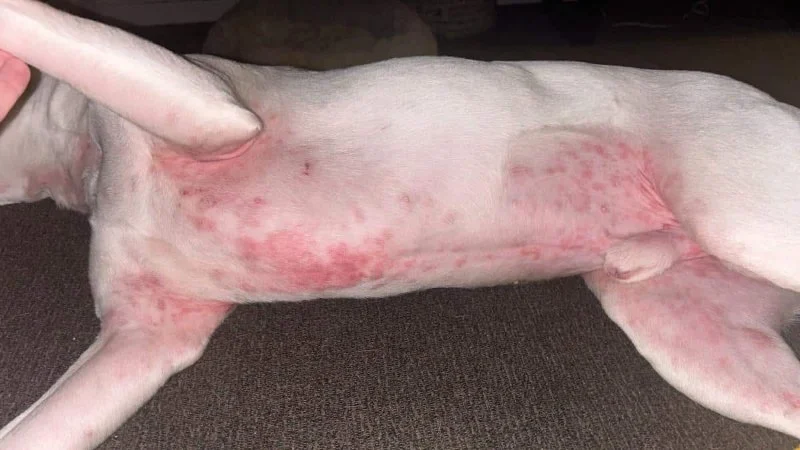
1. Understanding Allergic Reactions in Pets
Just like humans, pets can develop allergic reactions to various substances. These allergies can be triggered by food, environmental factors, or even certain medications. Understanding how to spot allergic reactions in pets is essential for providing timely care and preventing unnecessary discomfort. In this guide, we will explore the common causes of allergies in pets, how to recognize symptoms, and the best ways to treat them.
2. Common Causes of Allergies in Pets
Pets can have allergies just like we do, but the causes of these allergies may differ. Here are the most common causes of allergic reactions in pets:
2.1. Food Allergies
Food allergies are one of the most common allergic reactions seen in pets. Ingredients like chicken, beef, dairy, or certain grains can trigger an allergic response. Symptoms of food allergies may include vomiting, diarrhea, excessive scratching, or even ear infections. It's important to identify the trigger food and eliminate it from your pet’s diet.
2.2. Flea Allergies
Flea allergy dermatitis is a condition where pets are allergic to flea saliva. Even a single flea bite can cause intense itching and discomfort for your pet. This can lead to hair loss, skin infections, and secondary conditions like hot spots. Flea control is vital to managing this type of allergy.
2.3. Environmental Allergies
Pollen, dust mites, mold, and other airborne allergens can cause allergic reactions in pets, particularly during certain seasons. Pets with environmental allergies may develop itchy skin, watery eyes, or sneezing. In severe cases, environmental allergies can lead to respiratory problems like coughing or wheezing.
2.4. Contact Allergies
Pets can also develop allergies to certain materials they come into contact with, such as fabrics, cleaning products, or even certain shampoos. If your pet starts showing signs of irritation, like scratching or licking certain areas excessively, it may be a sign of a contact allergy.
3. Recognizing Allergic Reactions in Pets
Recognizing the symptoms of allergic reactions in pets is crucial for early intervention. The signs can vary depending on the type of allergy, but common symptoms include:
- Excessive itching or scratching: A common sign of allergies in pets, especially with flea or environmental allergies.
- Ear infections: Pets with food or environmental allergies often develop frequent ear infections, with symptoms like shaking of the head and a bad odor from the ears.
- Vomiting or diarrhea: Food allergies may cause gastrointestinal issues, which can lead to vomiting or diarrhea.
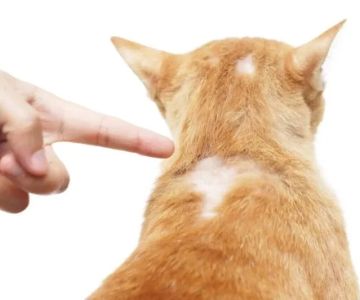
- Hair loss or bald spots: Persistent scratching and licking can result in hair loss, particularly in areas like the belly, paws, or around the face.
- Red, inflamed skin: Allergic reactions can cause redness and inflammation, particularly around the ears, face, or paws.
- Sneezing or coughing: Environmental allergens can cause respiratory symptoms, including sneezing, coughing, or wheezing.
If you notice any of these symptoms, it’s essential to consult with a veterinarian for an accurate diagnosis and appropriate treatment plan.
4. How to Treat Allergic Reactions in Pets
Once you identify that your pet is having an allergic reaction, it’s important to treat the underlying cause. The treatment will vary based on the type and severity of the allergy, but here are some common approaches:
4.1. Identifying and Avoiding Allergens
One of the most effective ways to manage allergies in pets is to identify the specific allergens causing the reaction and avoid them. For food allergies, this means eliminating the trigger ingredient from your pet’s diet. In the case of environmental allergies, keeping your pet indoors during high pollen seasons and using air purifiers may help reduce symptoms. For flea allergies, consistent flea prevention is key to avoiding flare-ups.
4.2. Medications and Treatments
Your veterinarian may prescribe medications to help manage allergic reactions in pets. Common treatments include:
- Antihistamines: These can help reduce itching and inflammation caused by allergies.
- Corticosteroids: In cases of severe allergic reactions, corticosteroids can be used to reduce inflammation and provide relief from itching and swelling.
- Allergy shots: For pets with chronic environmental allergies, allergy shots may help desensitize them to certain allergens over time.
Topical treatments such as medicated shampoos and ointments can also help relieve itching and soothe inflamed skin.
4.3. Home Care for Allergic Reactions
In addition to veterinary treatments, there are several home care strategies that can help alleviate your pet’s allergic reactions:
- Bathing: Regular baths with a gentle, hypoallergenic shampoo can help remove allergens from your pet’s skin and fur, providing relief from itching.
- Hydration: Ensure your pet is well-hydrated, as this helps keep their skin healthy and reduces dryness that can result from allergic reactions.
- Regular grooming: Brushing your pet’s fur can help remove allergens from their coat and reduce the risk of skin irritation.
5. When to Visit the Veterinarian
While many mild allergic reactions can be managed at home, there are times when you should consult a veterinarian. These include:
- If your pet’s symptoms worsen or do not improve with home treatment.
- If your pet is experiencing severe reactions like difficulty breathing, swelling of the face or throat, or anaphylaxis.
- If your pet develops secondary infections due to constant scratching or licking.
Your veterinarian will be able to provide a proper diagnosis and treatment plan to manage your pet’s allergies effectively. For more information on products and services for managing your pet’s health, check out Brothers Pets, where you can find a wide range of pet-friendly treatments and remedies.



 Banfield Pet Hospital4.0 (184 reviews)
 Sears Veterinary Hospital4.0 (279 reviews)
 District Veterinary Hospital - Navy Yard4.0 (278 reviews)
 4ANGELS PAW LLC0.0 (0 reviews)
 Westcliff Animal Hospital4.0 (151 reviews)
 GoodVets Apollo Beach4.0 (93 reviews)
 How to Spot and Treat Kidney Disease in Pets
 Easy Homemade Cat Toys That Promote Exercise | Fun & Healthy Ideas for Your Cat
 How to Spot and Treat Pet Intestinal Worms: A Guide for Pet Owners
 What Every Pet Owner Should Know About Seasonal Pet Care
 Understanding Pet Arthritis: Symptoms and Management for Better Care
 Beginner's Guide to Pet Behavior: Understanding Your Furry Friend