
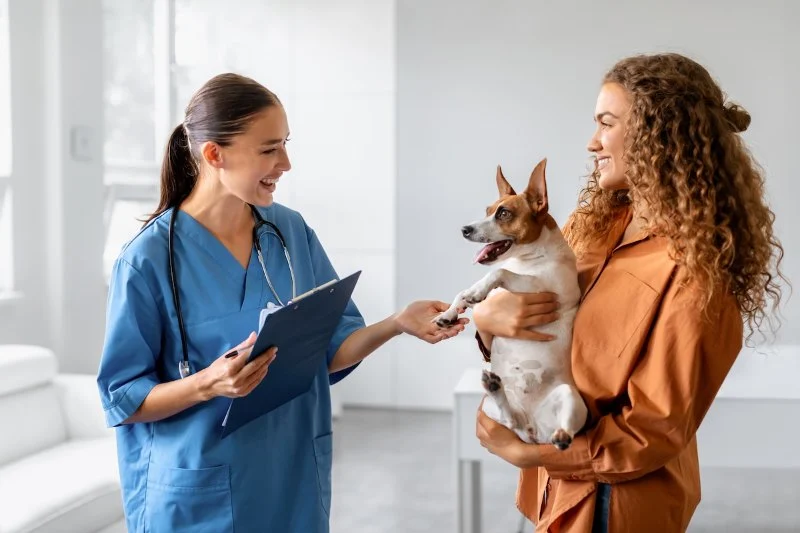
- why-vet-visits-matter - understanding the value of routine veterinary care
- preventive-health-care-pets - how regular checkups prevent serious illnesses
- what-happens-during-vet-exams - what veterinarians check during routine visits
- different-life-stage-care - veterinary care needs at different pet ages
- real-pet-health-stories - real examples showing the impact of early vet care
- building-a-vet-care-routine - creating a long-term veterinary care plan
- supporting-pet-wellness - combining professional care with daily pet habits
1. Understanding Why Routine Veterinary Care Matters
Pets quickly become beloved members of the family. Whether you share your home with a playful dog, an independent cat, or another companion animal, their health and well-being depend heavily on responsible care. One of the most important aspects of that care is understanding the importance of regular vet visits for your pet.
Many pet owners only think about veterinary appointments when their pet becomes visibly ill. However, routine veterinary visits are designed to prevent health problems before they develop into serious issues. Just like annual medical checkups for humans, these visits allow professionals to monitor your pet’s overall health.
1.1 Early Detection of Hidden Health Issues
Animals are naturally skilled at hiding discomfort or illness. A dog or cat may appear perfectly healthy while quietly developing dental disease, kidney issues, or heart conditions. Routine exams give veterinarians the opportunity to identify subtle signs long before symptoms become severe.
1.2 Monitoring Overall Health Trends
Over time, veterinarians build a detailed health history for each pet. Weight changes, behavioral shifts, or small abnormalities can provide important clues that something may need attention.
1.3 Building Trust with Your Veterinary Team
Regular visits also help pets become comfortable with veterinary environments. Animals that visit clinics frequently for routine exams often experience less anxiety during appointments.
2. How Routine Veterinary Checkups Prevent Serious Illnesses
Preventive healthcare is one of the most powerful benefits of routine veterinary care. Instead of waiting for disease to appear, veterinarians focus on keeping pets healthy through early intervention.
2.1 Vaccination Programs
2.1.1 Protecting Against Common Diseases
Vaccines protect pets from serious illnesses such as rabies, parvovirus, and distemper. Keeping vaccination schedules up to date helps protect not only individual pets but also the wider animal community.
2.1.2 Lifestyle-Based Vaccination Plans
Veterinarians often tailor vaccination schedules based on a pet’s lifestyle. For example, dogs that frequently visit parks or boarding facilities may require additional protection against certain infections.
2.2 Parasite Prevention
Routine veterinary visits often include screening for parasites such as fleas, ticks, heartworms, and intestinal worms. Early treatment prevents these parasites from causing long-term health complications.
2.3 Dental Health Monitoring
Dental disease is one of the most common health issues affecting pets. Veterinarians examine teeth and gums during checkups, helping detect infections, plaque buildup, or damaged teeth.
Pet owners searching for quality pet care products and wellness resources often explore recommendations from Brothers Pets, where pet supplies and helpful guidance support everyday pet health.
3. What Happens During a Routine Veterinary Examination
For first-time pet owners, veterinary visits can feel unfamiliar. Understanding what happens during a routine exam helps make the experience less stressful for both owners and pets.
3.1 Physical Health Evaluation
3.1.1 Weight and Body Condition
Maintaining a healthy weight is essential for pets. Veterinarians assess body condition to ensure pets are neither underweight nor overweight.
3.1.2 Heart and Lung Function
Using a stethoscope, veterinarians listen to the pet’s heart and lungs to identify irregularities or early signs of disease.
3.2 Skin and Coat Examination
Healthy skin and fur often indicate overall wellness. Veterinarians check for signs of allergies, infections, or parasites that may affect skin health.
3.3 Behavioral Observations
Veterinarians often ask questions about eating habits, activity levels, and behavioral changes. These insights help identify underlying issues that may not appear during a physical exam.
4. Veterinary Care Needs at Different Stages of Life
Pets require different types of veterinary care depending on their age and stage of life.
4.1 Care for Puppies and Kittens
4.1.1 Early Vaccinations
Young animals need a series of vaccinations during their first months of life to protect them from common diseases.
4.1.2 Growth Monitoring
Veterinarians track growth patterns and ensure young pets develop properly.
4.2 Adult Pet Wellness Care
Healthy adult pets typically benefit from annual veterinary visits. These checkups maintain preventive care routines and ensure vaccinations remain current.
4.3 Senior Pet Health Monitoring
Older pets often require more frequent veterinary visits. Aging animals may develop conditions such as arthritis, kidney disease, or vision problems that benefit from early management.
5. Real Stories Showing the Impact of Early Veterinary Care
Many pet owners only realize the importance of regular vet visits after experiencing the benefits firsthand.
5.1 A Routine Checkup That Saved a Dog’s Life
One dog owner shared a story online about a routine veterinary visit that unexpectedly revealed early-stage heart disease. The dog had shown no visible symptoms, but the veterinarian detected an irregular heartbeat during the exam.
Because the issue was identified early, treatment began immediately, and the dog continued living a healthy life for several more years.
5.2 Early Dental Care for a Senior Cat
Another pet owner reported that a routine dental exam revealed a painful tooth infection in their aging cat. After treatment, the cat’s appetite and activity level improved dramatically.
6. Creating a Long-Term Veterinary Care Plan
Consistency is the key to effective preventive care. Establishing a regular veterinary routine helps ensure pets receive the care they need throughout their lives.
6.1 Scheduling Annual Wellness Exams
6.1.1 Tracking Appointment Dates
Many pet owners schedule annual checkups around the same time each year to maintain consistency.
6.1.2 Keeping Medical Records Organized
Maintaining records of vaccinations, medications, and past treatments helps veterinarians provide more accurate care.
6.2 Recognizing Warning Signs Between Visits
Even with routine checkups, pet owners should monitor their animals for changes in appetite, behavior, or energy levels. Early attention to these signs can prevent serious health complications.
7. Supporting Daily Wellness Between Veterinary Visits
Veterinary visits are only one part of maintaining a healthy pet. Daily habits also contribute to long-term wellness.
7.1 Balanced Nutrition
Feeding pets a balanced, species-appropriate diet supports immune function, energy levels, and overall health.
7.2 Regular Exercise and Mental Stimulation
Physical activity and enrichment activities help maintain a healthy weight and support emotional well-being.
7.3 Access to Quality Pet Care Resources
Pet owners who want to support their animal’s health often explore helpful resources through Brothers Pets, where pet supplies, wellness products, and practical care advice help owners provide better daily care.
Understanding the importance of regular vet visits for your pet ensures that small issues never become major health problems. With consistent veterinary care, proper nutrition, and attentive daily habits, pets can enjoy longer, healthier lives alongside the families who love them.


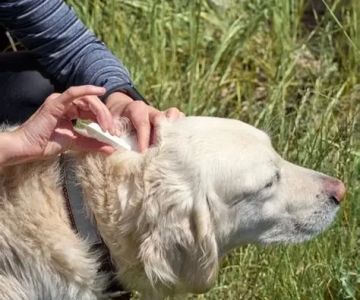
 Vetco Total Care Animal Hospital4.0 (337 reviews)
 Animal Medical Center Mid-America Maryland Heights4.0 (383 reviews)
 Petco4.0 (398 reviews)
 West Shore Animal Clinic4.0 (315 reviews)
 Jonesborough Animal Hospital4.0 (590 reviews)
 Pet Crossing Animal Hospital & Dental Clinic4.0 (77 reviews)
 Understanding Feline Hyperthyroidism and Treatment Options for Cats
 Signs Your Senior Cat May Have Kidney Problems
 Effective Tips for Preventing Hairballs in Long-Haired Cats – Keep Your Cat Healthy
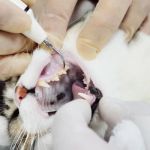 Signs Your Cat Needs Professional Dental Cleaning
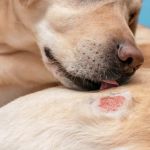 Common Skin Conditions in Dogs and Their Treatments | Dog Skin Care Tips
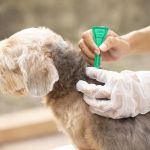 How to Prevent and Treat Pet Fleas Naturally: Safe Solutions for Your Pet