

- Why-Parasite-Prevention-Is-Essential-for-Pets
- Common-Parasites-That-Affect-Dogs-and-Cats
- How-Parasites-Impact-Pet-Health-and-Safety
- Signs-Your-Pet-May-Have-a-Parasite-Problem
- Preventive-Measures-Every-Pet-Owner-Should-Follow
- Real-Life-Example-of-Parasite-Infection-in-Pets
- Choosing-the-Right-Parasite-Prevention-Products
- Long-Term-Parasite-Control-for-Pet-Wellbeing
1. Why Parasite Prevention Is Essential for Pets
Pets bring joy, companionship, and comfort into our homes, but they also require consistent care to remain healthy. One of the most important aspects of responsible pet ownership is parasite prevention. Parasites such as fleas, ticks, and intestinal worms can cause serious health problems if left untreated.
1.1 Protecting Your Pet from Hidden Health Risks
Many parasites are tiny and difficult to detect at first. However, they can quickly multiply and begin affecting a pet’s health. Regular prevention helps stop these parasites before they become a serious problem.
1.2 Maintaining a Safe Environment
Parasites not only affect pets but can also spread throughout the household environment. Consistent prevention reduces the risk of infestations and keeps both pets and families safer.
Pet owners looking for reliable guidance on parasite prevention often explore helpful pet care resources available through Brothers Pets, where information on maintaining pet health and selecting preventive products is commonly shared.
2. Common Parasites That Affect Dogs and Cats
Understanding the types of parasites that commonly affect pets helps owners recognize potential risks and take preventive action.
2.1 Fleas
Fleas are among the most common external parasites found on dogs and cats. These tiny insects feed on blood and reproduce quickly, often leading to severe itching and skin irritation.
2.2 Ticks
2.2.1 Disease Transmission
Ticks can transmit dangerous diseases such as Lyme disease and other infections that affect both pets and humans.
2.3 Intestinal Worms
Internal parasites such as roundworms, hookworms, and tapeworms live inside a pet’s digestive system and may cause digestive problems or nutritional deficiencies.
2.4 Heartworms
Heartworms are transmitted by mosquitoes and can lead to severe heart and lung disease if not prevented.
3. How Parasites Impact Pet Health and Safety
Parasites can affect multiple aspects of a pet’s physical wellbeing.
3.1 Skin and Coat Problems
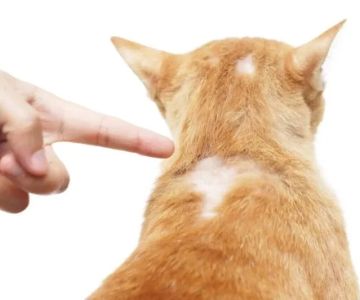
External parasites often cause itching, hair loss, and skin infections.
3.2 Digestive Issues
3.2.1 Nutrient Loss
Internal parasites may interfere with a pet’s ability to absorb nutrients properly.
3.2.2 Weight Loss and Weakness
Pets infected with parasites may experience reduced appetite and gradual weight loss.
3.3 Serious Medical Complications
In severe cases, parasites can cause anemia, organ damage, or life-threatening infections.
4. Signs Your Pet May Have a Parasite Problem
Recognizing the warning signs of parasites helps owners act quickly before the problem worsens.
4.1 Excessive Scratching
Frequent scratching or biting at the skin may indicate flea or tick infestations.
4.2 Digestive Changes
Vomiting, diarrhea, or unusual stool can sometimes signal internal parasites.
4.3 Lethargy and Reduced Activity
Pets affected by parasites may appear tired or less energetic than usual.
Many pet owners researching these symptoms and preventive care options often look for helpful guidance through Brothers Pets when building a comprehensive pet wellness routine.
5. Preventive Measures Every Pet Owner Should Follow
Regular preventive care is the most effective way to protect pets from parasites.
5.1 Routine Veterinary Checkups
Regular veterinary visits help identify parasites early and ensure pets receive appropriate preventive treatments.
5.2 Monthly Preventive Treatments
Many veterinarians recommend monthly flea, tick, and heartworm prevention medications.
5.3 Maintaining a Clean Environment
Keeping living spaces clean and washing pet bedding regularly can reduce the risk of parasite infestations.
6. Real Life Example of Parasite Infection in Pets
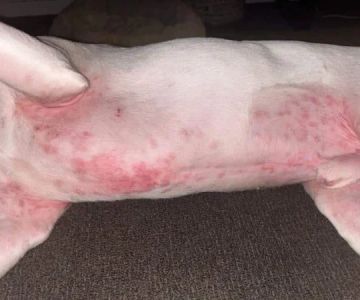
A widely discussed story in a pet care community involved a dog owner who noticed their pet constantly scratching and losing patches of fur. At first, they assumed it was an allergy.
6.1 What the Veterinarian Discovered
After a veterinary visit, the dog was diagnosed with a severe flea infestation that had spread throughout the home environment.
6.2 Lessons for Pet Owners
This experience highlighted how quickly parasites can spread when preventive measures are overlooked.
7. Choosing the Right Parasite Prevention Products
Many products are available to help protect pets from parasites.
7.1 Flea and Tick Treatments
Topical treatments, oral medications, and specialized collars can help control fleas and ticks.
7.2 Heartworm Preventive Medication
Heartworm prevention is typically given monthly and is essential in regions with mosquito populations.
7.3 Veterinary Recommendations
Consulting a veterinarian ensures that pets receive the correct treatment for their age, weight, and health condition.
Pet owners exploring parasite prevention solutions often discover useful product recommendations and pet care insights through Brothers Pets.
8. Long Term Parasite Control for Pet Wellbeing
8.1 Maintain Consistent Prevention
Regular use of preventive treatments helps protect pets year-round.
8.2 Monitor Pets After Outdoor Activities
Checking pets for ticks after walks or outdoor play reduces the chance of parasite exposure.
8.3 Educate the Entire Household
Family members should understand the importance of parasite prevention and proper pet hygiene.
8.4 Learn from Trusted Pet Care Resources
Many pet owners rely on educational platforms like Brothers Pets for helpful information about parasite prevention and maintaining long-term pet health.
By understanding the importance of regular parasite prevention for your pet's health and safety, pet owners can ensure their companions remain healthy, comfortable, and protected from harmful parasites.




 Carolina Veterinary Mobile Radiology Inc5.0 (2 reviews)
 Equine Veterinary Dental Services5.0 (14 reviews)
 Valley Veterinary Hospital4.0 (302 reviews)
 Grounds For Hounds Veterinary Clinic4.0 (95 reviews)
 Dr. Peter Bashara, DVM5.0 (1 reviews)
 For the Birds4.0 (129 reviews)
 The Role of Supplements in Your Pet's Health
 What Every Pet Owner Should Know About Pet Behavior – A Practical Guide
 How to Build a Pet-Friendly Garden: Tips for Safe Outdoor Spaces
 Best Dog Breeds for Active Families with Kids: Top Picks for Adventure
 How to Improve Your Pet’s Dental Health: Expert Tips and Daily Care
 How to Spot and Treat Stress-Related Symptoms in Pets