
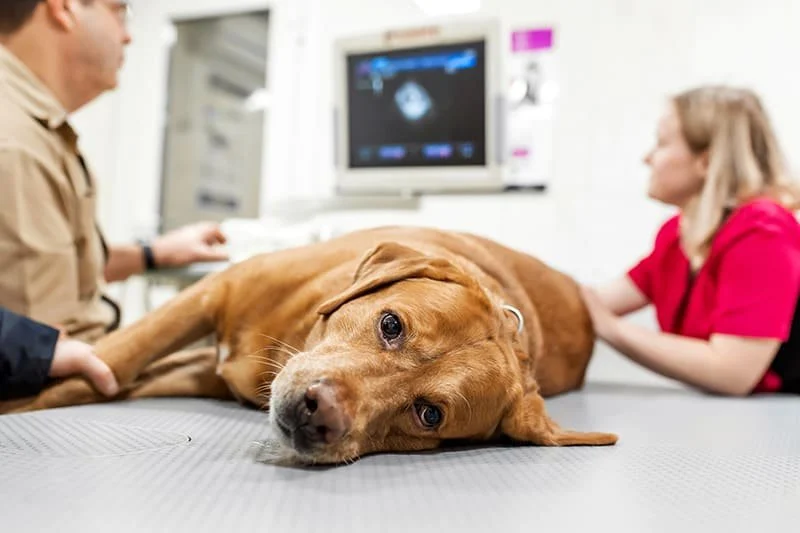
Understanding Kidney Disease in Pets
Kidney disease is a common health issue for pets, especially as they age. The kidneys play a vital role in filtering toxins from the blood, regulating water balance, and maintaining proper levels of electrolytes. When kidney function declines, it can lead to severe complications. Understanding the causes, symptoms, and treatment options for kidney disease can help you take the necessary steps to care for your pet.
Common Symptoms of Kidney Disease in Pets
Recognizing the symptoms of kidney disease early is crucial for effective treatment. Some of the most common signs of kidney disease in pets include:
- Increased thirst and urination: Pets with kidney disease often drink more water than usual and urinate more frequently, especially at night.
- Loss of appetite: Kidney disease can cause nausea and a lack of interest in food, leading to weight loss and poor condition.
- Weight loss: Even if your pet is eating, kidney disease can result in unexplained weight loss due to poor nutrient absorption.
- Vomiting and diarrhea: These gastrointestinal symptoms are common when toxins build up in the bloodstream as kidney function declines.
- Bad breath: Pets with kidney disease often develop a characteristic ammonia-like smell on their breath, a sign of toxin buildup in the body.
- Lethargy: Kidney disease can cause pets to become more tired or lethargic, often showing less interest in play or exercise.
How Kidney Disease Is Diagnosed in Pets
If you notice any of the above symptoms in your pet, it’s important to consult a veterinarian. The diagnosis of kidney disease typically involves a combination of the following:
- Blood tests: A blood test can measure kidney function by checking for elevated levels of waste products such as urea and creatinine in the blood.
- Urine tests: A urine test helps assess the kidneys' ability to filter waste. In kidney disease, pets often have diluted urine and lower specific gravity.
- Ultrasound or X-rays: Imaging tests can help the vet assess the size and shape of the kidneys and detect any abnormalities like tumors or cysts.
Treatment Options for Kidney Disease in Pets
While kidney disease cannot always be cured, there are treatment options available to manage the condition and improve your pet's quality of life. Treatment options include:
- Dietary changes: Special renal diets are often prescribed to reduce the workload on the kidneys and manage symptoms like vomiting and nausea. These diets are low in phosphorus and protein and high in omega-3 fatty acids.
- Fluids therapy: Pets with kidney disease often become dehydrated. Subcutaneous fluids (fluids given under the skin) can help maintain hydration and support kidney function.
- Medications: Medications such as anti-nausea drugs, appetite stimulants, and phosphate binders may be prescribed to manage symptoms and improve quality of life.
- Dialysis or kidney transplant: In severe cases, veterinary dialysis or even kidney transplants may be recommended, though these are less common and can be costly.
Real-Life Case Study: Managing Kidney Disease in Pets
Meet Bella, a 10-year-old Labrador who was diagnosed with chronic kidney disease (CKD). Her owner, Sarah, noticed that Bella was drinking more water and urinating frequently, which led her to visit the vet. After a series of blood and urine tests, it was confirmed that Bella had early-stage kidney disease. Sarah worked closely with the vet to adjust Bella’s diet to a special renal diet, and started regular subcutaneous fluids to keep Bella hydrated. Over the next few months, Bella’s symptoms stabilized, and she was able to maintain a good quality of life. This case highlights the importance of early detection and the role of treatment in managing kidney disease in pets.
Preventing Kidney Disease in Pets
While kidney disease is often a part of the aging process, there are steps you can take to help prevent or delay the onset of kidney problems in your pet:
- Regular veterinary check-ups: Regular check-ups and blood tests can help detect kidney disease early and allow for timely intervention.
- Maintain a healthy diet: Feeding your pet a balanced diet that meets their nutritional needs can help reduce the risk of kidney disease.
- Encourage hydration: Make sure your pet has constant access to fresh water to prevent dehydration, which can exacerbate kidney problems.
- Avoid toxins: Be cautious of household chemicals, certain plants, and human foods that can be toxic to pets and harm their kidneys.



 Vetco Total Care Animal Hospital4.0 (178 reviews)
 Copper Hill Animal Clinic4.0 (81 reviews)
 East Wind Animal Hospital4.0 (30 reviews)
 Southampton Veterinary Clinic4.0 (519 reviews)
 Anamosa Veterinary Clinic4.0 (1900 reviews)
 Pine Ridge Equine Hospital4.0 (117 reviews)
 Safe Hiking Tips for Dogs and Their Owners - Enjoy Outdoor Adventures Together
 How to Spot and Treat Common Digestive Problems in Pets
 Top 7 Tips for Pet Safety Every Owner Should Know
 How to Spot and Treat Kidney Disease in Pets
 Parasite Prevention: What Vets Want You to Know - Expert Tips for Pet Care
 How to Provide Proper Care for Pets with Allergies