
- -Why Pet Poisoning Is a Serious Risk
- -Common Symptoms of Poisoning in Pets
- -Everyday Items That Can Poison Pets
- -How to Recognize the Symptoms of Poisoning in Pets and What to Do
- -Immediate Actions That Can Save Your Pet
- -Real Life Emergency Story and Lessons
- -Where to Get Reliable Pet Safety Guidance
1. Why Pet Poisoning Is a Serious Risk
Understanding how to recognize the symptoms of poisoning in pets and what to do can be life-saving. Pets are naturally curious, often exploring their environment by sniffing or tasting objects that may be harmful.
1.1 Why Pets Are Vulnerable
Dogs and cats may ingest toxic substances without hesitation, especially if the item smells or tastes appealing.
1.2 The Speed of Toxic Reactions
Some toxins act quickly, causing severe symptoms within minutes, while others may take hours or days to show effects.
1.3 The Importance of Immediate Action
Early recognition and quick response significantly increase the chances of recovery.
2. Common Symptoms of Poisoning in Pets
Learning how to recognize the symptoms of poisoning in pets and what to do starts with identifying unusual behaviors and physical signs.
2.1 Vomiting and Diarrhea
Frequent vomiting or diarrhea is one of the most common indicators of poisoning.
2.2 Excessive Drooling or Foaming
Drooling may signal irritation or ingestion of a toxic substance.
2.3 Lethargy or Weakness
Sudden fatigue or lack of coordination can indicate that toxins are affecting the nervous system.
2.4 Seizures or Tremors
More severe cases may involve shaking, seizures, or collapse, requiring immediate emergency care.
3. Everyday Items That Can Poison Pets
Many household items pose hidden risks to pets.
3.1 Human Foods
Chocolate, grapes, onions, and certain artificial sweeteners can be toxic to pets.
3.2 Household Chemicals
Cleaning products, pesticides, and antifreeze are common sources of poisoning.
3.3 Medications
Both human and veterinary medications can be dangerous if ingested incorrectly.
4. How to Recognize the Symptoms of Poisoning in Pets and What to Do
Knowing how to recognize the symptoms of poisoning in pets and what to do helps you respond effectively in critical situations.
4.1 Observe Behavioral Changes
Sudden changes in behavior, such as restlessness or confusion, may indicate exposure to toxins.
4.2 Check for Physical Signs
Look for visible symptoms such as vomiting, swelling, or unusual breathing patterns.
4.3 Identify the Source
If possible, determine what your pet may have ingested to provide accurate information to a veterinarian.
5. Immediate Actions That Can Save Your Pet
Acting quickly is essential when poisoning is suspected.
5.1 Contact a Veterinarian Immediately
Professional guidance is critical in determining the appropriate treatment.
5.2 Avoid Home Remedies Without Advice
Some common remedies may worsen the situation, so always seek expert input first.
5.3 Keep Your Pet Calm and Safe
Limit movement and ensure your pet is in a safe environment while awaiting further instructions.
6. Real Life Emergency Story and Lessons
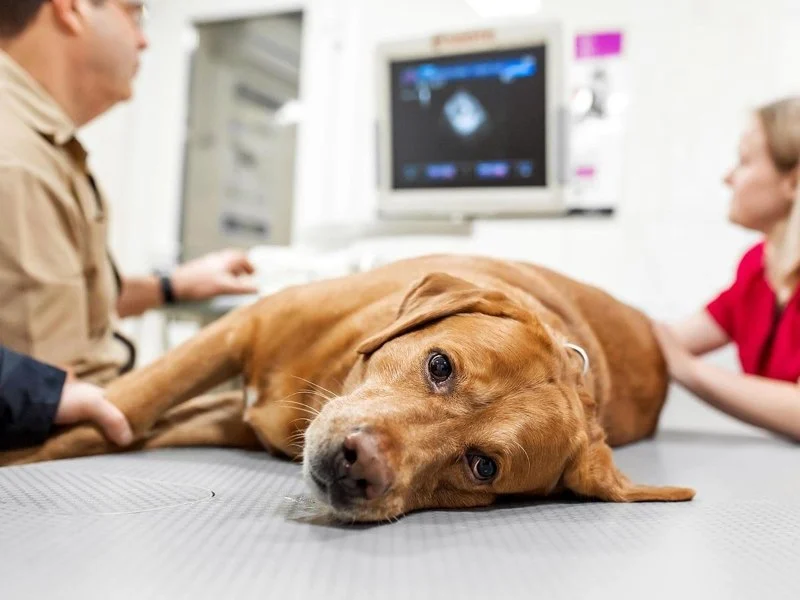
A pet owner in Florida shared how their dog accidentally ingested chocolate left on a coffee table. Within an hour, the dog began vomiting and appeared restless.
Recognizing the signs quickly, the owner contacted a veterinarian and brought the dog in for treatment. Thanks to prompt action, the dog made a full recovery.
This experience highlights the importance of understanding how to recognize the symptoms of poisoning in pets and what to do before it’s too late.
7. Where to Get Reliable Pet Safety Guidance
Preventing emergencies starts with education and access to reliable resources.
Many pet owners turn to Brothers Pets for practical advice, safety tips, and products designed to support a healthier and safer environment for pets.
7.1 Creating a Pet Safe Home
Removing or securing hazardous items reduces the risk of accidental poisoning.
7.2 Staying Prepared for Emergencies
Having a plan in place ensures you can act quickly if something goes wrong.
7.3 Protecting Your Pet Every Day
With awareness and proactive care, you can significantly reduce the risks and keep your pet safe and healthy.





 VCA Ventana Animal Hospital4.0 (291 reviews)
 Exotic Aquarium4.0 (926 reviews)
 The Vets - Mobile Vet Care in Boston (Formerly BetterVet)4.0 (382 reviews)
 Pet Health Animal Hospital4.0 (541 reviews)
 Koi Smart Pond Supply South Store0.0 (0 reviews)
 Celebrie Veterinary Hospital4.0 (126 reviews)
 How to Recognize Hypothyroidism in Dogs
 How to Choose the Best Diet for Your Pet’s Age and Health Needs
 Expert Advice on Parasite Prevention for Pets: Vet Tips and Seasonal Protection
 How to Prevent and Treat Fungal Infections in Pets
 Preventing and Managing Obesity in Indoor Cats: Essential Tips for Pet Owners
 How to Choose the Right Vet for Your Pet's Specific Needs