
- Understanding Separation Anxiety in Pets
- Signs of Separation Anxiety in Pets
- Preparing Your Pet for Travel
- Managing Your Pet's Anxiety During Travel
- Real-Life Story: My Experience Traveling with a Pet
Understanding Separation Anxiety in Pets
Separation anxiety in pets occurs when they become distressed or anxious due to being separated from their owners or familiar environment. This condition is especially common in dogs, but can also affect cats and other pets. When traveling, pets may experience heightened anxiety because of unfamiliar surroundings, people, and routines. This anxiety can lead to destructive behavior, excessive barking or meowing, and even health issues such as loss of appetite or lethargy. Understanding what causes this anxiety is the first step in helping your pet cope.
Signs of Separation Anxiety in Pets
Pets with separation anxiety may exhibit various signs of distress when left alone or during travel. These signs can range from mild to severe and may include:
- Excessive barking or meowing: Pets may vocalize excessively, especially when left alone in an unfamiliar place.
- Destructive behavior: Chewing furniture, scratching walls, or trying to escape their crate or carrier.
- Drooling or panting: Pets may show signs of physical stress, such as excessive drooling or panting.
- Lack of appetite: Pets may refuse food or water due to stress or anxiety.
- Restlessness: Some pets may pace, tremble, or be unable to settle down during travel.
If your pet shows any of these signs, it’s important to address their anxiety before and during travel to ensure they are comfortable and safe.
Preparing Your Pet for Travel
Before embarking on a journey with your pet, it’s essential to prepare them for the experience. Here are some strategies to help reduce your pet's anxiety:
- Gradual acclimatization: Start by taking your pet on short car rides or trips to new locations. Gradually increasing the duration and distance of travel will help them become accustomed to being in a vehicle or unfamiliar places.
- Comfort items: Bring along familiar items such as their favorite blanket, toy, or bed. Familiar scents and objects can provide comfort and security.
- Exercise before travel: Ensure your pet gets plenty of exercise before the trip. A tired pet is less likely to be anxious and more likely to rest during travel.
- Visit the vet: If your pet has significant anxiety, consult your veterinarian. They may recommend medications or supplements to help calm your pet during travel.
Managing Your Pet's Anxiety During Travel
Once on the road, there are several ways to manage your pet's anxiety and make the journey more comfortable:
- Stay calm: Pets often pick up on their owners' emotions, so staying calm and relaxed will help your pet feel more secure.
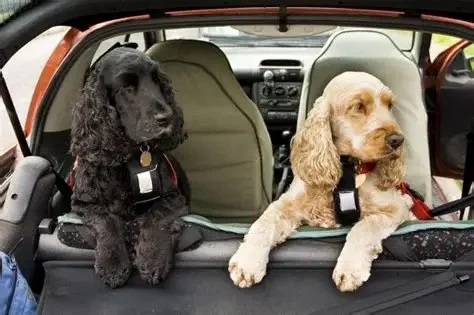
- Keep your pet secure: Use a pet carrier or a seatbelt harness to keep your pet safe and prevent them from becoming agitated or roaming during travel.
- Frequent breaks: If traveling by car, take regular breaks to allow your pet to stretch, drink water, and relieve themselves. This will help reduce anxiety and make them feel more at ease.
- Maintain routines: Stick to familiar routines as much as possible. Feed your pet at the usual times and provide regular potty breaks to keep them comfortable.
- Calming aids: Consider using calming sprays, pheromone diffusers, or natural supplements that promote relaxation. These can be particularly helpful in reducing stress during travel.
Real-Life Story: My Experience Traveling with a Pet
Last year, I had to travel cross-country with my dog, who had a history of separation anxiety. I was worried about how he would cope with the long journey and unfamiliar hotels. To prepare, I took him on shorter trips to acclimate him to car travel. During the trip, I made sure to bring his favorite blanket and toys for comfort. I also took regular breaks to allow him to stretch his legs and relieve himself. While he was initially nervous, the gradual preparation and familiar items helped him stay calm, and we both had a smooth and enjoyable trip. This experience taught me the importance of preparing ahead of time and keeping a calming routine to help pets cope with travel anxiety.
 Mapleview Animal Hospital: Jennings Susan DVM4.0 (35 reviews)
 Free State Pedigrees5.0 (2 reviews)
 Gray Misty E DVM5.0 (1 reviews)
 Baystate Animal Chiropractic5.0 (2 reviews)
 Fish girl aquatics4.0 (6 reviews)
 Dallas Highway Animal Hospital4.0 (369 reviews)
 htmlCopy codeHow to Safely Groom Your Pet at Home
 Signs of Dehydration in Dogs and How to Prevent It
 How to Improve Your Puppy & Kitten Care for a Healthy Start
 How to Choose the Best Pet Food for Allergies or Sensitivities
 The Best Ways to Treat and Prevent Hot Spots on Dogs and Cats
 Why Regular Vet Visits Are Crucial for Healthy Pets: Expert Insights