
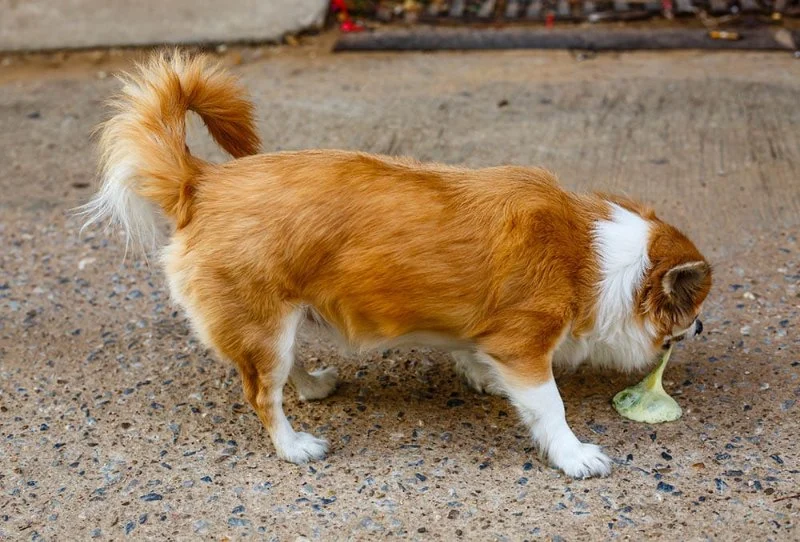
Understanding Vomiting in Pets
Vomiting is a common issue among pets, but it can be a sign of something more serious. Identifying the cause of vomiting can help in effective treatment. Pets may vomit for several reasons, including infections, allergies, dietary indiscretions, or more serious conditions like pancreatitis or kidney disease.
1. Types of Vomiting in Pets
There are different types of vomiting in pets, and recognizing the pattern can help determine the underlying cause. These types include:
- Acute vomiting: Sudden onset of vomiting, usually caused by something the pet ate or an infection.
- Chronic vomiting: Vomiting that occurs regularly and may indicate a long-term illness, such as gastrointestinal disease or organ failure.
- Regurgitation: Unlike vomiting, regurgitation is when food or liquid comes up from the esophagus without forceful retching.
2. Recognizing the Symptoms
Symptoms accompanying vomiting may include lethargy, loss of appetite, diarrhea, or abdominal pain. If your pet is vomiting frequently or showing other concerning symptoms, it’s important to seek veterinary care promptly.
Common Causes of Digestive Issues in Pets
Digestive issues in pets can manifest as vomiting, diarrhea, or changes in appetite. Here are some of the most common causes:
1. Dietary Indiscretions
Pets, especially dogs, often eat things they shouldn’t, like spoiled food, garbage, or toxic plants. This can lead to digestive upset, causing symptoms like vomiting or diarrhea.
2. Food Allergies and Sensitivities
Food allergies or sensitivities can cause gastrointestinal discomfort, leading to vomiting and diarrhea. Common allergens include beef, dairy, and grains. Switching to a hypoallergenic or limited ingredient diet may help alleviate these symptoms.
3. Infections and Parasites
Infections caused by viruses, bacteria, or parasites are a common cause of vomiting and diarrhea in pets. These infections can be contracted from contaminated food, water, or other animals. Regular vaccinations and parasite control can help prevent these issues.
4. Organ Disease
Conditions like kidney disease, liver disease, or pancreatitis can cause vomiting and digestive problems. If your pet's vomiting is accompanied by weight loss, lethargy, or jaundice, these could be signs of a more serious condition requiring veterinary attention.
Treatment Options for Vomiting and Digestive Issues
The treatment for vomiting and digestive issues depends on the underlying cause. Here are some common treatment options:
1. Dietary Changes
If dietary indiscretions or food allergies are the cause of the digestive issues, your vet may recommend a special diet. This can include a bland diet (e.g., boiled chicken and rice) or a prescription diet tailored to your pet’s specific needs.
2. Medications
Your veterinarian may prescribe anti-nausea medications or probiotics to help settle your pet's stomach and restore healthy gut flora. In some cases, dewormers or antibiotics may be necessary if a parasite or bacterial infection is the cause.
3. Fluid Therapy
If your pet is dehydrated due to vomiting and diarrhea, your vet may administer intravenous fluids to help rehydrate and stabilize them.
4. Surgery
If vomiting is caused by a blockage or foreign object ingestion, surgery may be necessary to remove the obstruction and relieve your pet’s discomfort.
Prevention Tips to Maintain Pet Digestive Health
While it’s not always possible to prevent digestive issues in pets, there are steps you can take to reduce the risk:
1. Regular Vet Checkups
Annual or bi-annual checkups with your vet can help detect underlying health conditions that may lead to digestive issues, allowing for early intervention.
2. Proper Diet
Feed your pet a balanced, high-quality diet appropriate for their age, breed, and health status. Avoid giving them table scraps or toxic foods that can upset their stomachs.
3. Parasite Control
Regular deworming and flea prevention are crucial to prevent infections and parasites that could lead to digestive upset. Consult your vet for the best parasite control program for your pet.
Real-Life Case: A Pet Owner’s Experience
“I was really worried when my cat, Whiskers, started vomiting daily,” shares Emma, a pet owner from Texas. “After a vet visit and some tests, it turned out that Whiskers had a food sensitivity to chicken. We switched to a fish-based diet, and now he’s much better. It was a relief to get the right diagnosis and treatment.”






 Performance Equine Specialists4.0 (7 reviews)
 Petco4.0 (759 reviews)
 Petco4.0 (746 reviews)
 Lagniappe Animal Hospital4.0 (71 reviews)
 Applewood Animal Hospital4.0 (298 reviews)
 Tuffy's Spay & Neuter Clinic of Lincoln County4.0 (20 reviews)
 Understanding Signs of Urinary Issues in Dogs: Symptoms and Solutions
 The Benefits of Regular Playtime for Mental Health in Pets
 Top Puppy Training Mistakes and How to Avoid Them for Success
 Expert Advice on Emergency Pet Care Every Owner Should Know
 The Importance of Regular Exercise for Your Pet – Healthy Habits with Brothers Pets
 Top Puppy Training Mistakes and How to Avoid Them