
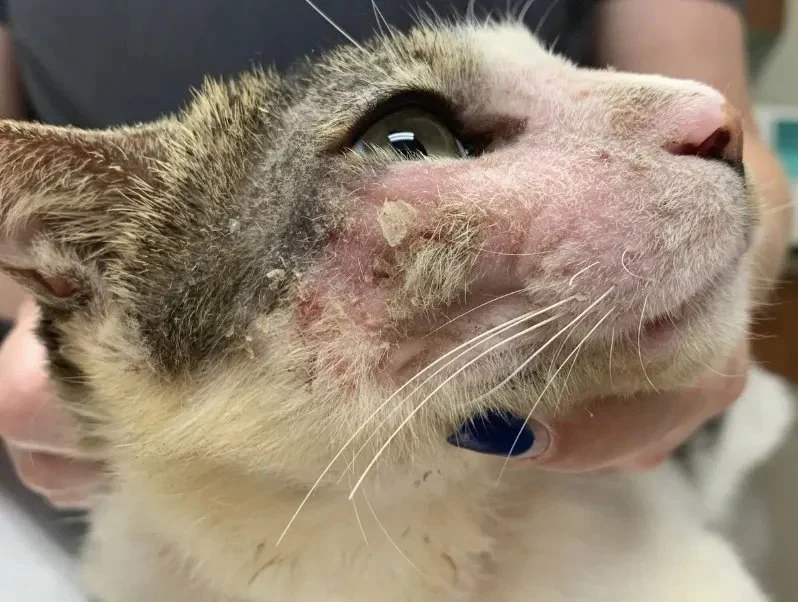
1. Understanding Allergies in Dogs and Cats
Allergies are a common problem for both dogs and cats. Just like humans, pets can have allergic reactions to various substances, such as food, pollen, dust mites, flea saliva, and other environmental allergens. Allergies in pets can manifest in many different ways, from itching and skin irritation to digestive issues and respiratory problems.
As a pet owner, understanding the causes and symptoms of allergies is crucial in order to provide the best care for your dog or cat. Early recognition and treatment can help prevent long-term health issues and improve your pet’s quality of life.
2. Common Symptoms of Allergies in Pets
Recognizing allergies in your pet can be challenging since they can exhibit a variety of symptoms. Here are the most common signs that your dog or cat might have an allergy:
2.1 Itchy Skin and Excessive Scratching
One of the most obvious signs of an allergy in pets is excessive scratching, licking, or biting at their skin. If your pet is consistently scratching or chewing at their paws, ears, or belly, it could indicate an allergic reaction, often caused by fleas, food, or environmental allergens.
2.2 Red, Inflamed Skin or Hot Spots
Inflammation and redness of the skin are common allergic symptoms in pets. Pets with food allergies or sensitivities may develop hives, rashes, or hot spots. These areas are often tender to the touch and may be accompanied by hair loss in affected areas.
2.3 Sneezing and Runny Nose
Respiratory symptoms, such as sneezing, coughing, and a runny nose, are also common in pets with allergies. These symptoms may be more noticeable during certain seasons or when your pet is exposed to certain allergens like pollen, dust mites, or mold.
2.4 Gastrointestinal Issues
Food allergies in pets can lead to gastrointestinal problems, such as vomiting, diarrhea, or constipation. If your pet is experiencing ongoing digestive issues without any clear cause, it may be time to investigate potential food allergies.
2.5 Ear Infections
Frequent ear infections, especially in pets with floppy ears, can be a sign of an allergy. Allergies can cause inflammation in the ears, leading to yeast or bacterial infections. If your pet is constantly shaking their head or scratching their ears, an allergy might be the cause.
3. Different Types of Allergies in Dogs and Cats
Pets can suffer from a variety of allergies, each with its own triggers. The most common types of allergies in dogs and cats include:
3.1 Flea Allergy Dermatitis (FAD)
Flea Allergy Dermatitis is one of the most common allergies in pets, particularly in dogs. It occurs when a pet has an allergic reaction to flea saliva. Even a single flea bite can cause intense itching, swelling, and irritation. Treating flea infestations and using flea preventative treatments are key to managing FAD.
3.2 Food Allergies
Food allergies are another common cause of allergic reactions in pets. Common allergens include beef, chicken, dairy, and grains. Symptoms often include vomiting, diarrhea, or skin issues. If you suspect your pet has a food allergy, an elimination diet under your vet's guidance can help identify the trigger.
3.3 Environmental Allergies
Just like humans, pets can be allergic to pollen, dust mites, mold, and other environmental allergens. These allergies typically result in respiratory issues and skin irritation. Identifying environmental allergens can be challenging, but keeping your pet indoors during high-pollen seasons or using air purifiers may help reduce symptoms.
3.4 Contact Allergies
Contact allergies occur when a pet’s skin comes into contact with certain substances, such as certain fabrics, chemicals, or grooming products. These allergies can cause localized skin irritation and rashes. Switching to hypoallergenic products can help alleviate this type of allergy.
4. How to Treat Allergies in Your Pet
Once you’ve identified the source of your pet's allergies, the next step is treatment. Here are some common treatment options for allergies in pets:
4.1 Medications
Your vet may prescribe medications such as antihistamines, steroids, or immune-modulating drugs to help control your pet's allergic reactions. These medications can help reduce itching, inflammation, and discomfort.
4.2 Allergy Shots (Immunotherapy)
For pets with environmental allergies, allergy shots (also known as immunotherapy) can be effective. These shots gradually desensitize your pet to the allergens, reducing their allergic reactions over time. This treatment requires regular visits to your vet.
4.3 Specialized Diets
For pets with food allergies, switching to a hypoallergenic diet can help reduce symptoms. Prescription diets that are free from common allergens are available, and your vet can recommend the best options for your pet's specific needs.
4.4 Flea Control
To manage flea allergies, it's crucial to keep your pet flea-free. This includes using flea prevention medications regularly and treating your home for fleas. Regular grooming and washing your pet's bedding can also help keep fleas at bay.
5. Real-Life Example: A Successful Allergy Treatment
One of our clients, Laura, noticed her dog, Max, scratching excessively and developing red, inflamed patches on his skin. After visiting the vet, it was discovered that Max had flea allergy dermatitis. With the right flea control treatment and a course of antihistamines, Max's symptoms improved dramatically. This real-life example highlights the importance of seeking veterinary care for allergy treatment, as well as sticking to a proper treatment plan.
6. Finding the Right Products and Services for Your Pet’s Allergies
If you're looking for the right products and services to manage your pet's allergies, Brothers Pets offers a range of hypoallergenic foods, medications, and flea control treatments. Our expert team can recommend the best products for your pet’s specific allergy needs, ensuring a healthier and happier pet. Visit our website to explore our offerings and find the best solutions for your furry friend!






 Ewing Veterinary Hospital4.0 (116 reviews)
 Mount Comfort Veterinary Care4.0 (152 reviews)
 Petco4.0 (835 reviews)
 Veterinary Emergency Hospital of Arlington (Urgent Care)4.0 (87 reviews)
 Chaska Vet Hospital4.0 (236 reviews)
 PetVet Vaccination Clinic5.0 (3 reviews)
 Choosing the Right Hypoallergenic Cat Food for Sensitive Stomachs
 How to Provide Comfort for Pets with Separation Anxiety
 How to Help Your Pet Adjust to Life with a New Baby
 How to Clean Your Cat’s Ears Safely at Home: A Complete Guide
 How to Care for Pets with Special Medical Needs
 How to Identify and Treat Allergic Dermatitis in Cats – Guide for Pet Owners