
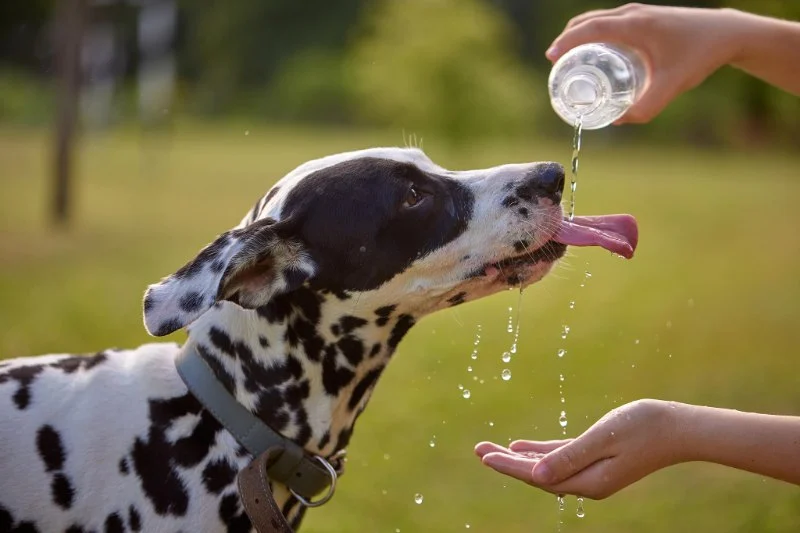
1. Understanding Dehydration in Pets
Dehydration is a serious condition that can affect pets, just like humans. It occurs when the body loses more fluids than it takes in, and can lead to severe health issues if not addressed. Pets can become dehydrated due to a variety of reasons, including hot weather, illness, or not drinking enough water.
When a pet becomes dehydrated, it can affect their bodily functions, including organ function and circulation. In severe cases, dehydration can lead to organ failure, making it essential for pet owners to recognize the signs early and take immediate action to prevent further complications.
2. Symptoms of Dehydration in Pets
Recognizing the symptoms of dehydration in pets is crucial for timely treatment. Here are some common signs to look out for in dogs and cats:
- Dry nose and gums: One of the first signs of dehydration is a dry, sticky nose and gums. If you notice this, your pet may be dehydrated.
- Sunken eyes: Dehydrated pets may have eyes that appear sunken or dull. This is a sign of severe fluid loss.
- Lethargy: Dehydration can cause pets to become lethargic or unusually tired. If your pet is showing signs of fatigue or lack of energy, dehydration could be the cause.
- Excessive panting or drooling: Pets may pant excessively or drool more than usual as their body attempts to compensate for the lack of fluids.
- Skin tenting: To check for dehydration, gently pinch the skin at the back of your pet’s neck or between their shoulder blades. If the skin doesn’t quickly return to its normal position, it’s a sign of dehydration.
- Reduced appetite: Dehydrated pets may lose their appetite, and their water intake may decrease as well. If your pet is refusing to eat or drink, dehydration could be the underlying cause.
3. How to Treat Dehydration in Pets
If you suspect your pet is dehydrated, it’s important to take immediate action to rehydrate them. Here are the steps you can take:
- Offer fresh water: Encourage your pet to drink small amounts of water. If your pet is reluctant to drink, you can try offering ice cubes or ice chips, as they may be easier for them to consume.
- Hydration solutions: If your pet refuses to drink water, you can try offering an electrolyte solution specifically designed for pets. These can be found at pet stores or through your veterinarian.
- Visit the vet: In cases of severe dehydration, it's essential to take your pet to the veterinarian immediately. The vet may administer fluids through an IV or subcutaneous injection to rehydrate your pet more quickly.
- Monitor your pet's condition: Continue to monitor your pet’s hydration level, appetite, and energy. If your pet doesn’t show improvement within a few hours, seek veterinary assistance.
4. Preventing Dehydration in Pets
Prevention is always the best approach when it comes to dehydration. Here are some tips to help ensure your pet stays hydrated:
- Provide constant access to fresh water: Always ensure your pet has access to clean, fresh water at all times, especially during hot weather.
- Avoid hot environments: Keep your pet indoors during the hottest parts of the day. If you must take them outside, make sure there is ample shade and access to water.
- Offer hydrating foods: Wet pet food can provide extra moisture to your pet’s diet. If you feed dry kibble, consider adding a little water or broth to their food.
- Monitor their activity: During hot weather, avoid intense physical activity with your pet. Exercise during cooler hours in the morning or evening to prevent overheating and dehydration.
5. Real-Life Example: Helping a Pet Recover from Dehydration
Last summer, I had a scare with my dog, Max, after a long hike in the heat. We had been hiking for several hours, and I noticed that Max was panting heavily and seemed lethargic. I immediately checked his gums, and they were dry and sticky. I knew he was dehydrated.
To help Max, I offered him water, but he wasn’t interested at first. I then used an electrolyte solution specifically designed for dogs, and within an hour, he began to drink water on his own. We made sure to take him to the vet for a check-up, where they confirmed that he was mildly dehydrated but recovering well.
This experience taught me how important it is to monitor your pet closely during physical activity in the heat and to always have water on hand. I now carry water and a hydration solution for Max whenever we go on outdoor adventures.


 Ewing Veterinary Hospital4.0 (116 reviews)
 Mount Comfort Veterinary Care4.0 (152 reviews)
 Petco4.0 (835 reviews)
 Veterinary Emergency Hospital of Arlington (Urgent Care)4.0 (87 reviews)
 Chaska Vet Hospital4.0 (236 reviews)
 PetVet Vaccination Clinic5.0 (3 reviews)
 Choosing the Right Hypoallergenic Cat Food for Sensitive Stomachs
 How to Provide Comfort for Pets with Separation Anxiety
 How to Help Your Pet Adjust to Life with a New Baby
 How to Clean Your Cat’s Ears Safely at Home: A Complete Guide
 How to Care for Pets with Special Medical Needs
 How to Identify and Treat Allergic Dermatitis in Cats – Guide for Pet Owners