

How to Manage Your Pet's Stress and Anxiety
- Understanding Pet Anxiety
- Symptoms of Stress and Anxiety in Pets
- Common Causes of Pet Anxiety
- How to Calm Your Pet and Manage Their Anxiety
- Real-Life Stories of Pet Anxiety Management
Understanding Pet Anxiety
Pets, especially dogs and cats, can experience stress and anxiety much like humans. The causes of pet anxiety can range from environmental changes to separation from their owners. It’s important to recognize the signs and address the issue promptly to ensure that your pet remains healthy and happy.
Symptoms of Stress and Anxiety in Pets
Recognizing the signs of anxiety in pets can help you take timely action. Here are some common symptoms to look out for:
1. Excessive Barking or Meowing
Pets may vocalize excessively when they feel anxious, especially when separated from their owners or exposed to new environments.
2. Destructive Behavior
Chewing furniture, scratching, or tearing up household items can be a sign of anxiety, particularly in dogs and cats.
3. Restlessness or Pacing
Animals experiencing anxiety often have difficulty relaxing. They may pace, whine, or continuously look for a way to escape the stressors around them.
4. Changes in Appetite
A decrease in appetite or overeating is common when pets are stressed. This can lead to weight changes, which could affect your pet's overall health.
5. Aggression
In some cases, stressed pets may show aggressive behavior, especially if they feel threatened or cornered. It’s crucial to address this behavior early to prevent harm to people and other animals.
Common Causes of Pet Anxiety
There are various factors that can contribute to pet anxiety. Understanding these causes can help you prevent or manage your pet's anxiety more effectively.
1. Separation Anxiety
Separation anxiety is one of the most common forms of anxiety in pets, particularly dogs. Pets who are left alone for extended periods may develop behavioral problems, including vocalization and destruction.
2. Changes in Environment
Moving to a new home, traveling, or introducing a new pet or family member can cause anxiety in pets. They thrive on routine and may feel unsettled when their environment changes.
3. Loud Noises and Thunderstorms
Pets are often scared of loud noises such as fireworks, thunderstorms, or even the vacuum cleaner. These noises can trigger anxiety and fear responses in pets.
4. Lack of Socialization
Pets that are not properly socialized may become anxious around other animals or unfamiliar people. Early socialization can help prevent anxiety in these situations.
How to Calm Your Pet and Manage Their Anxiety
Managing your pet's stress and anxiety involves creating a calm environment and using specific techniques to soothe them. Here are some effective solutions:
1. Regular Exercise
Physical activity is a great way to reduce stress in pets. Dogs, in particular, benefit from regular walks or play sessions that help burn off excess energy and reduce anxiety.
2. Establish a Routine
Pets feel more secure when they have a predictable routine. Regular feeding times, daily walks, and a consistent bedtime can help reduce anxiety.
3. Use Calming Products
There are several calming products available for pets, such as pheromone diffusers, anxiety wraps, and calming treats. These products can help soothe anxious pets during stressful situations.
4. Desensitization and Counter-Conditioning
Desensitization is a technique that involves gradually exposing your pet to anxiety triggers in a controlled manner. This method helps your pet learn to tolerate or ignore these triggers over time.
5. Veterinary Care
If your pet’s anxiety is severe, consult with your veterinarian. They may recommend medications or therapeutic treatments to manage your pet’s anxiety effectively.
Real-Life Stories of Pet Anxiety Management
Many pet owners have successfully managed their pets' anxiety with patience and the right strategies. Here are a couple of real-life stories:
1. Charlie's Separation Anxiety
Charlie, a 5-year-old Golden Retriever, suffered from separation anxiety whenever his owners left the house. After working with a veterinarian and using calming products like an anxiety wrap, Charlie’s behavior significantly improved, and he became much more relaxed when left alone.
2. Bella's Fear of Thunderstorms
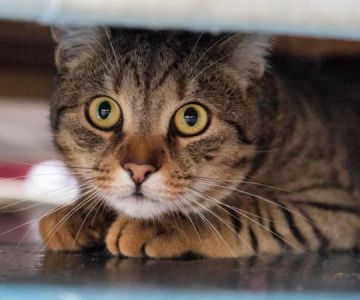
Bella, a 3-year-old cat, was terrified of thunderstorms, often hiding under the bed and refusing to eat. Her owner, Sarah, used a pheromone diffuser and created a safe space for Bella during storms. Over time, Bella became less anxious during thunderstorms and learned to feel secure in her designated safe area.
Managing your pet’s anxiety is possible with the right tools and techniques. If you’re looking for more advice or the best products for calming your pet, visit 【Brothers Pets】 for expert recommendations.



 ShotVet @ PetSmart0.0 (0 reviews)
 Canine Rehabilitation & Conditioning Group LLC4.0 (186 reviews)
 Short Pump Animal Hospital4.0 (495 reviews)
 Skyline Veterinary Specialists4.0 (258 reviews)
 Orange County Equine Veterinary Services0.0 (0 reviews)
 Chapel Hill Veterinary Clinic4.0 (94 reviews)
 How to Choose the Right Veterinarian for Your Pet's Health Needs
 How to Identify and Treat Allergic Dermatitis in Cats – Guide for Pet Owners
 How to Spot and Treat Canine Distemper: A Complete Guide for Pet Owners
 How to Recognize and Treat Infections in Your Pet’s Mouth
 How to Support a Dog Recovering from Surgery | Tips & Advice for Pet Owners
 How to Prevent Heartworm Disease in Pets: Prevention and Treatment Options