
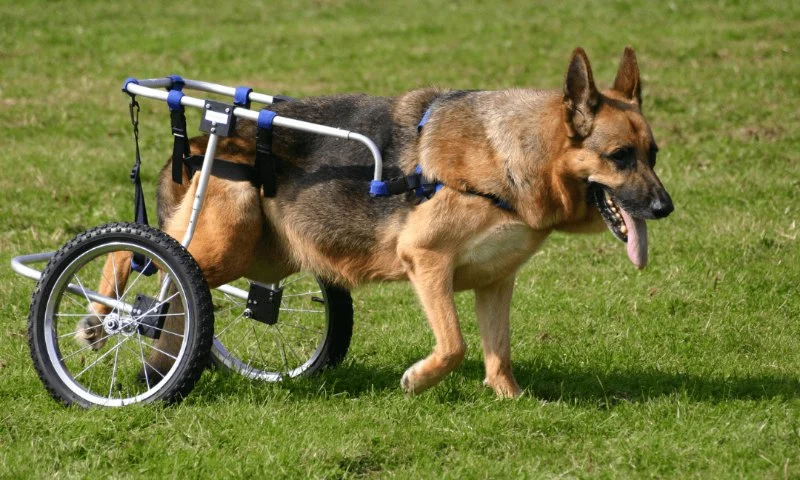
1. Understanding Special Medical Needs in Pets
Just like humans, pets can have special medical needs that require extra care and attention. Special medical needs can arise from a variety of conditions, including chronic illnesses, disabilities, or recovery from surgery. Understanding your pet’s specific needs is the first step in providing the best care. Whether it's managing a chronic illness or aiding in the recovery from an injury, a pet with special medical needs requires patience, diligence, and proper guidance from your veterinarian.
2. Common Medical Conditions in Pets
There are several medical conditions that commonly affect pets, especially as they age or experience traumatic injuries. These include:
2.1 Arthritis and Joint Issues
Arthritis is a common condition in older pets, particularly dogs. It causes joint pain, stiffness, and difficulty moving. Regular exercise, joint supplements, and pain relief medications can help manage this condition.
2.2 Diabetes
Pets, especially cats and dogs, can develop diabetes, which requires lifelong management through insulin injections and dietary changes. Regular monitoring of blood sugar levels is essential for pets with diabetes.
2.3 Kidney Disease
Kidney disease is common in older pets and requires special dietary care and medications. Regular vet visits are essential for managing kidney health, as well as staying on top of hydration and overall health.
2.4 Cancer
Cancer in pets requires a tailored treatment plan that may involve surgery, chemotherapy, or pain management. Early detection and ongoing veterinary care are crucial in managing cancer in pets.
3. Creating a Care Plan for Your Pet
Creating a personalized care plan is key to providing effective care for your pet with special medical needs. This plan should include regular vet check-ups, medication schedules, and a daily routine that suits their condition. Work closely with your veterinarian to develop a plan that addresses your pet’s specific requirements. Here are some key steps:
3.1 Consult with Your Veterinarian
Your veterinarian will be your guide in setting up a care plan. After diagnosis, they will provide you with specific instructions on how to manage your pet’s condition. Don’t hesitate to ask questions and ensure you understand the recommended treatments and actions.
3.2 Create a Daily Routine
For pets with special medical needs, a consistent routine helps reduce stress. Ensure your pet is on a regular feeding schedule, exercise plan, and medication regimen. Consistency is key for maintaining their health and comfort.
3.3 Monitor Changes in Behavior
Pets with special medical needs may experience changes in behavior. Monitoring their response to medications, changes in appetite, and activity levels can provide insights into how well they’re responding to treatment and whether adjustments need to be made.
4. Managing Medications and Treatments
Managing medications and treatments for a pet with special medical needs is a vital part of their care. Here are a few tips for staying on track:
4.1 Follow Your Vet’s Instructions
Always follow the vet’s instructions for administering medications and treatments. If your pet needs daily medication, set reminders and stick to the schedule. Never change the dosage without consulting your veterinarian.
4.2 Use Pill Pockets or Treats
If your pet is difficult to administer medication to, consider using pill pockets or wrapping pills in their favorite treats. This makes the process easier and less stressful for both you and your pet.
4.3 Monitor Side Effects
Keep an eye out for any side effects from medications. If your pet shows signs of distress or discomfort, contact your vet immediately to discuss alternative treatments or adjustments to the dosage.
5. Monitoring Your Pet’s Health Regularly
Regular monitoring of your pet’s health is crucial to catch any potential problems early and ensure their condition is being managed properly. Here are some tips:
5.1 Keep Track of Appointments
Ensure your pet attends all scheduled veterinary check-ups. These visits will allow your vet to monitor their progress, adjust treatments, and catch any developing issues before they worsen.
5.2 Keep a Health Journal
Maintaining a health journal for your pet can be a useful tool. Record their diet, medications, changes in behavior, and any symptoms. This journal will be helpful during vet visits to track progress or highlight concerns.
6. Real-Life Experience: Caring for a Special Needs Pet
Emily, a devoted pet owner from New York, shares her experience caring for her cat, Max, who was diagnosed with diabetes. After consulting with her vet, Emily created a care plan that included insulin injections twice a day, a special diet, and regular vet visits. Over time, Max adjusted to his routine, and Emily found that his symptoms were well-controlled. Through careful management and consistency, Emily was able to provide Max with a high quality of life despite his medical condition. Her experience shows the importance of being proactive and working closely with a veterinarian to care for a pet with special needs.
If you're looking for expert advice on managing your pet’s special medical needs, visit Brothers Pets for top-quality products and trusted services tailored to pets with specific health conditions.





 Conover Veterinary Hospital4.0 (257 reviews)
 Verdin Veterinary Services3.0 (9 reviews)
 Jersey Village Animal Hospital4.0 (498 reviews)
 Kimball Jamie DVM0.0 (0 reviews)
 Pet Barn4.0 (377 reviews)
 Aquarium Zen, LLC4.0 (510 reviews)
 Top 8 Tips for Pet Aging: How to Care for Your Senior Pet with Love and Knowledge
 Is Your Seasonal Pet Care on Track? | Year-Round Wellness Tips for Pets
 Why Regular Vet Visits Are Crucial Even for Healthy Pets
 The Importance of Regular Exercise for Senior Pets
 How to Choose the Right Pet Carrier for Safe Travel
 The Ultimate Guide to Pet Safety: Protecting Your Pet Every Day