
- Why Choosing the Right Pet Carrier Matters
- Understanding Airline Requirements
- Features to Look for in a Pet Carrier
- Common Mistakes When Choosing a Pet Carrier
- Pet Care Tips for Air Travel
Why Choosing the Right Pet Carrier Matters
Flying with your pet can be a stressful experience for both you and your furry companion. Choosing the right pet carrier is key to ensuring that your pet travels safely, comfortably, and in accordance with airline rules. The right carrier not only provides your pet with a secure environment during the flight but also helps minimize stress and potential health risks.
1. Safety First
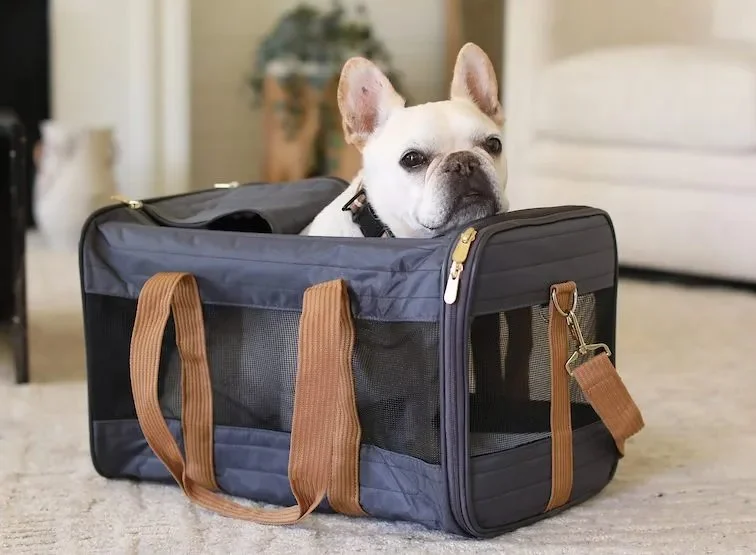
A good pet carrier will keep your pet safe and secure during the journey. Most airlines require pets to be confined in carriers to ensure they remain secure during takeoff, landing, and turbulence. The right carrier will have ventilation, durable construction, and secure closures to prevent escape or injury.
2. Comfort and Space
Pets, especially those traveling long distances, need adequate space and comfort to reduce anxiety. A well-designed pet carrier offers enough space for your pet to move around and even lie down, which is crucial for ensuring their comfort during the flight.
Understanding Airline Requirements
Before you purchase a pet carrier, it’s essential to understand the specific requirements of the airline you’re flying with. Airlines have strict guidelines regarding pet carriers, so ensuring compliance with these rules will help avoid issues during check-in or boarding.
1. Carrier Dimensions
Each airline has specific size requirements for pet carriers, both for carry-on and checked-in pets. Ensure that the carrier fits within the dimensions allowed by the airline. Typically, a carrier for cabin pets must fit under the seat in front of you, and it should have enough room for your pet to turn around and lie down.
2. Approved Carrier Types
Airlines often have a list of approved carriers, typically made of soft-sided or hard-sided materials. Soft-sided carriers are usually preferred for cabin pets as they offer flexibility and can be compressed to fit under the seat. Hard-sided carriers may be required for pets traveling in the cargo hold.
3. Ventilation and Security
Airlines require carriers to have proper ventilation to ensure airflow during the flight. Look for carriers that have adequate mesh panels or holes on the sides. Secure locking mechanisms are also a must to prevent your pet from escaping or becoming stressed.
Features to Look for in a Pet Carrier
When selecting a pet carrier for air travel, several features should be considered to ensure that your pet has a smooth and safe journey. These features not only meet airline requirements but also improve the overall comfort of your pet during the flight.
1. Size and Space
Choosing the right size carrier is crucial. A carrier that is too small can make your pet feel cramped, while one that is too large might make them feel insecure. A good rule of thumb is to select a carrier that allows your pet to stand up, turn around, and lie down comfortably.
2. Comfort Features
Look for a carrier with a soft interior, padded floor, and secure, comfortable bedding for your pet to rest on. A comfortable carrier can help reduce travel stress and keep your pet calm throughout the journey.
3. Durability and Security
Durability is essential for air travel. Ensure that the carrier is made of strong, high-quality materials that can withstand rough handling. The carrier should also feature secure zippers or latches to prevent accidental openings during transit.
4. Easy Accessibility
A good carrier will allow easy access to your pet. Look for carriers with wide openings or top access, so you can quickly check on your pet or make adjustments without causing too much stress.
Common Mistakes When Choosing a Pet Carrier
Choosing a pet carrier isn’t always as straightforward as it seems. Many pet owners make mistakes that can lead to frustration during the flight. Here are a few common errors to avoid:
1. Not Checking Airline Policies
One of the most common mistakes is failing to check the airline’s pet carrier requirements before purchasing a carrier. Different airlines have different guidelines, and failure to comply can lead to denied boarding or unnecessary stress.
2. Choosing the Wrong Size
Choosing a carrier that is either too small or too large can lead to discomfort for your pet. Make sure you measure your pet and select a carrier that provides adequate space while also fitting within airline restrictions.
3. Overlooking Carrier Ventilation
Proper ventilation is crucial for air travel. Some carriers might have inadequate airflow, leading to overheating or stress for your pet. Always choose a carrier that has sufficient mesh panels or air holes to allow for adequate ventilation.
Pet Care Tips for Air Travel
Preparing your pet for air travel involves more than just choosing the right carrier. Here are a few additional tips to ensure that your pet travels comfortably and safely:
1. Get Your Pet Used to the Carrier
Before the flight, allow your pet to get familiar with the carrier. Start by placing them in the carrier for short periods and gradually increase the duration. This helps reduce anxiety when it’s time to travel.
2. Avoid Feeding Before the Flight
It’s a good idea to avoid feeding your pet right before the flight to prevent nausea or discomfort. Offer water and a small meal several hours before the flight to ensure they’re well-hydrated and comfortable.
3. Plan for Bathroom Breaks
If your pet is traveling in the cargo hold, make sure to schedule bathroom breaks before check-in. For smaller pets traveling in the cabin, ensure that their carrier is equipped with an absorbent pad in case of accidents.
If you're looking for the best pet carrier options and expert recommendations, visit Brothers Pets to find the ideal carrier for your next flight.






 Shady Hills Pet Shop4.0 (89 reviews)
 Trusted Paws Veterinary Clinic4.0 (71 reviews)
 All About Pets Animal Hospital4.0 (300 reviews)
 Acupuncture For Pets5.0 (6 reviews)
 Mc Minnville Animal Care4.0 (33 reviews)
 McConnellsburg Veterinary Clinic4.0 (98 reviews)
 How to Safely Handle Pet Emergencies: A First-Aid Guide
 Beginner's Guide to Pet Safety | Essential Tips for a Safe Pet Home
 Tips for Feeding Senior Dogs with Sensitive Stomachs and Improving Digestion
 Understanding Pet Emergencies: What to Do
 How to Calm Anxious Pets During Fireworks: Expert Tips for Pet Owners
 How to Make Mealtime Fun for Picky Dogs | Tips and Ideas