
- 1. Understanding Flea Problems in Pets
- 2. Types of Flea Treatments for Pets
- 3. Key Considerations When Choosing a Flea Treatment
- 4. How to Apply Flea Treatments Effectively
- 5. Real-Life Experiences: Finding the Right Flea Treatment for Your Pet
1. Understanding Flea Problems in Pets
Fleas are a common problem for both dogs and cats. These tiny parasites not only cause intense itching but can also lead to more serious health problems like allergies, skin infections, and even anemia in severe cases. Understanding how fleas affect your pet is the first step in selecting the best flea treatment.
Fleas are attracted to pets because of their body heat and the carbon dioxide they exhale. When fleas bite, they can cause discomfort and irritation, leading to excessive scratching. If left untreated, fleas can quickly multiply, creating a serious infestation that affects both pets and the home environment.
2. Types of Flea Treatments for Pets
There are several types of flea treatments available on the market. Each option has its own advantages and is suited to different needs and preferences. Here's a breakdown of the most popular flea treatments:
Topical Treatments
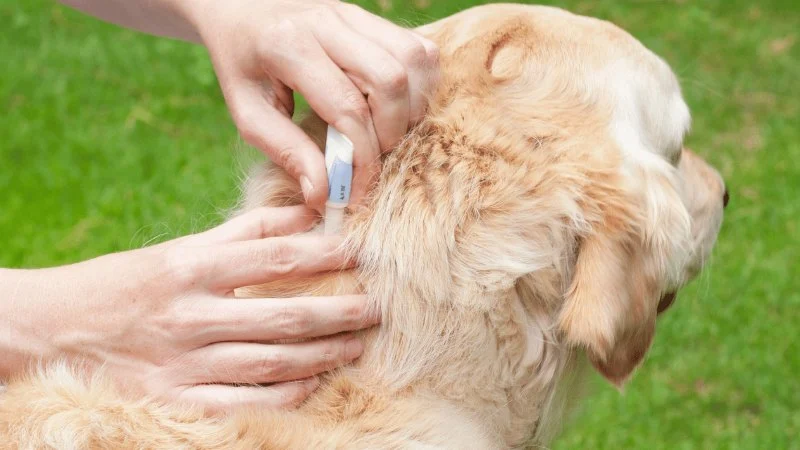
Topical flea treatments are applied directly to your pet's skin, usually at the back of the neck. These treatments are highly effective and provide long-lasting protection, often lasting for a month or longer. Many topical treatments also prevent ticks and other parasites.
Oral Medications
Oral flea medications come in the form of tablets or chewables and are taken by your pet. These medications work by killing fleas at all life stages and are particularly useful for pets who may resist topical treatments. Oral treatments often provide fast relief and long-lasting protection.
Flea Collars
Flea collars are worn around your pet's neck and slowly release chemicals that kill fleas and prevent new ones from infesting. They are convenient for pets that are difficult to medicate, but the effectiveness can vary depending on the brand and your pet’s lifestyle.
Flea Shampoos
Flea shampoos are used to wash your pet and kill fleas on contact. While they provide immediate relief, they are not as long-lasting as other treatments and typically need to be repeated. They can be a good option for pets with mild infestations or for a quick solution when your pet is itching excessively.
3. Key Considerations When Choosing a Flea Treatment
Selecting the right flea treatment involves considering a few key factors to ensure it is both effective and safe for your pet:
Pet’s Age and Health
Some flea treatments are not suitable for young puppies or kittens, pregnant or nursing pets, or those with certain health conditions. Always read the instructions carefully and consult your veterinarian to find a treatment that is safe for your pet.
Environment
Consider the environment your pet lives in. If your pet spends a lot of time outdoors, they may need a more robust treatment, such as a flea collar or oral medication, to provide long-lasting protection. For indoor pets, a topical treatment or flea shampoo may suffice.
Effectiveness and Duration
The effectiveness of flea treatments can vary. Some products kill fleas at all life stages, while others may only kill adult fleas. Additionally, consider how long the treatment lasts. Some treatments are effective for a month, while others may need to be reapplied weekly.
4. How to Apply Flea Treatments Effectively
Applying flea treatments correctly is essential for their effectiveness. Here are some tips for applying flea treatments:
Topical Treatments
When applying a topical flea treatment, ensure that your pet’s skin is dry and free of any dirt or debris. Follow the instructions carefully, and place the treatment at the back of your pet’s neck, where they cannot lick it off.
Oral Medications
Oral medications are typically easy to administer. You can either hide the tablet in your pet’s food or give it to them directly. Make sure your pet consumes the entire dose for the treatment to be effective.
Flea Collars
Flea collars should be fitted snugly but comfortably around your pet’s neck. Check the collar periodically to ensure it is not too tight or too loose.
5. Real-Life Experiences: Finding the Right Flea Treatment for Your Pet
A few months ago, Sarah, a dog owner, noticed her dog, Max, scratching excessively and developed a flea infestation. She initially tried a flea shampoo, but the fleas quickly returned. After consulting her veterinarian, Sarah opted for a topical treatment combined with oral medication. The results were immediate, and Max’s flea problem was resolved within a week.
If you’re unsure which flea treatment is best for your pet, it’s always a good idea to talk to your vet. They can help guide you to the most effective solution for your pet’s specific needs.
At Brothers Pets, we offer a wide range of flea treatments for both dogs and cats. Visit our website to find the best products for keeping your pet flea-free and healthy.




 Lee Parkway Veterinary Clinic4.0 (232 reviews)
 Bark & Purr Veterinary Clinic4.0 (88 reviews)
 ANGY PET SHOP0.0 (0 reviews)
 Merrillville Animal Hospital - Dr. Alicia Gustafson DVM4.0 (99 reviews)
 Petland Merrillville3.0 (519 reviews)
 Readlyn Veterinary Associates4.0 (102 reviews)
 Tips for Maintaining a Healthy Coat in Senior Cats – Essential Care for Older Cats
 Best Practices for Senior Cat Diet and Nutrition | Brothers Pets
 How to Spot and Treat Allergies in Cats and Dogs: A Comprehensive Guide
 How to Safely Handle Pet Emergencies: A First-Aid Guide
 Top 7 Tips for Pet Vaccination Every Owner Should Know
 How to Spot and Treat Allergies in Cats and Dogs: A Complete Guide