
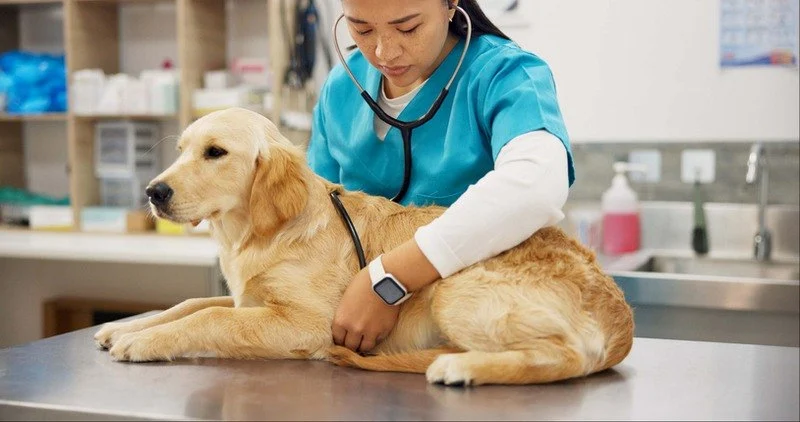
- 1-Importance of Regular Pet Monitoring
- 2-Daily Health Checks
- 3-Tracking Nutrition and Hydration
- 4-Scheduling Veterinary Visits
- 5-Real-World Examples and Stories
- 6-Recommended Products and Resources
1. Importance of Regular Pet Monitoring
Regular monitoring is essential for maintaining your pet’s health and well-being. Early detection of changes in behavior, appetite, or physical condition allows for timely intervention and can prevent serious health issues. Pets, like humans, can develop chronic conditions that progress silently, so proactive monitoring is key.
Routine monitoring not only helps prevent illness but also improves quality of life by keeping your pet active, comfortable, and happy. Platforms like Brothers Pets provide guidance on effective monitoring techniques for different types of pets.
2. Daily Health Checks
Daily health checks allow pet owners to notice subtle changes that may indicate emerging health problems. Key checks include:
- Physical Inspection: Look for lumps, bumps, wounds, or swelling on the skin and body.
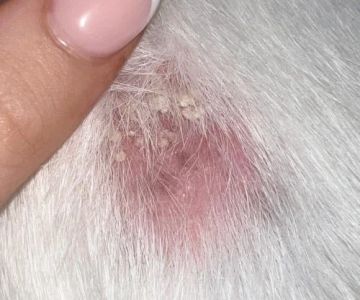
- Coat and Skin Condition: Ensure fur is clean, free of mats, and skin is free of irritation.
- Behavioral Observation: Monitor energy levels, mood, and social interactions for unusual changes.
- Oral Health: Check teeth and gums for signs of plaque buildup, redness, or bad breath.
Incorporating these inspections into daily routines helps detect potential issues early and builds a strong bond between owner and pet.
3. Tracking Nutrition and Hydration
Nutrition and hydration are critical aspects of pet health. Owners should:
- Maintain a balanced diet appropriate for the pet’s age, size, and activity level.
- Monitor water intake to prevent dehydration, particularly during hot weather or after exercise.
- Keep records of feeding schedules, portion sizes, and any changes in appetite.
- Consider supplements recommended by veterinarians to support joint, coat, and immune health.
Tracking these elements helps identify nutritional deficiencies and ensures pets receive optimal care.
4. Scheduling Veterinary Visits
Regular veterinary checkups are a cornerstone of proactive pet health management. Recommendations include:
- Routine exams every 6–12 months depending on age and health condition.
- Vaccinations and parasite prevention updates.
- Lab tests or screenings as advised by the veterinarian to detect early signs of illness.
- Prompt attention to any unusual behavior, symptoms, or injuries observed during daily checks.
Maintaining consistent veterinary visits ensures professional oversight and early intervention when necessary.
5. Real-World Examples and Stories
Consider Max, a Labrador retriever in Texas, whose owner noticed subtle limping during daily monitoring. A timely visit to the vet revealed early arthritis, and with supplements and tailored exercise, Max maintained mobility and comfort. Similarly, Bella, a domestic cat in California, developed mild kidney issues detected through changes in drinking habits and appetite, allowing early treatment and management.
Stories like Max’s and Bella’s demonstrate how consistent monitoring can dramatically improve health outcomes and quality of life for pets.
6. Recommended Products and Resources
For pet owners looking to streamline monitoring routines, Brothers Pets offers a selection of trusted tools and products, including:
- Health tracking apps and journals for recording vital signs and behaviors.
- Nutrition guides and portion control tools.
- Veterinary-approved supplements and preventive care products.
- Expert advice and educational resources for maintaining optimal pet wellness.
Leveraging these resources ensures that pet owners are well-equipped to maintain a proactive and comprehensive health monitoring routine.





 Vetco Vaccination Clinic0.0 (0 reviews)
 Plum Street Pet Clinic4.0 (229 reviews)
 Rover The Rhine4.0 (78 reviews)
 Appalachian Animal Emergency4.0 (2 reviews)
 Clark County Veterinary Clinic4.0 (283 reviews)
 Higley Groves Animal Hospital4.0 (523 reviews)
 How to Keep Your Cat Entertained During Rainy Days: Tips for U.S. Pet Owners
 How to Prevent and Treat Pet Constipation – Expert Tips for Your Pet's Health
 The Benefits of Regular Exercise for Your Pet's Physical and Mental Health
 How to Recognize and Treat Skin Allergies in Cats
 Top 13 Tips for Pet Health Every Owner Should Know
 Preparing Your Pet for a New Baby: A Complete Guide for U.S. Families