
- 1. Understanding Pet Constipation
- 2. Causes of Constipation in Pets
- 3. How to Prevent Pet Constipation
- 4. Treatment Options for Constipated Pets
- 5. When to Seek Veterinary Help
1. Understanding Pet Constipation
Just like humans, pets can experience constipation, which occurs when their bowel movements become infrequent or difficult. Pet constipation can be uncomfortable and distressing for your furry friend. Recognizing the symptoms and addressing the issue early can help relieve discomfort and prevent long-term health problems.
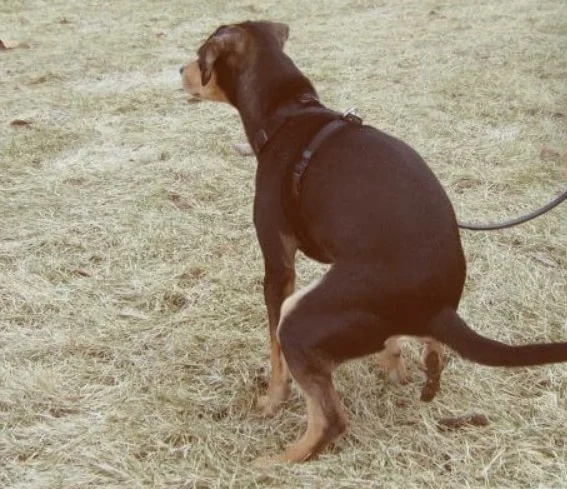
Symptoms of constipation in pets may include straining to defecate, producing little to no feces, or signs of discomfort such as excessive licking of the anal area. While constipation is common, it should not be ignored, as it can lead to more serious conditions if left untreated.
2. Causes of Constipation in Pets
Several factors can contribute to constipation in pets, and understanding the root cause is crucial for effective treatment. Common causes of constipation in pets include:
- Dehydration: Lack of water intake can lead to dry, hard stool that is difficult to pass.
- Inadequate Diet: A diet low in fiber can make bowel movements difficult for your pet. Pets who eat primarily dry food may be more prone to constipation.
- Obesity: Overweight pets often have slower digestion, which can lead to constipation.
- Medical Conditions: Conditions such as arthritis, spinal issues, or gastrointestinal problems can affect a pet’s ability to pass stool.
- Medications: Certain medications, such as pain relievers and some types of antibiotics, can cause constipation as a side effect.
3. How to Prevent Pet Constipation
Preventing constipation in pets is easier than treating it, and it starts with proper care and lifestyle choices. Here are some practical tips to help keep your pet’s digestive system healthy and functioning:
- Ensure Proper Hydration: Make sure your pet always has access to fresh water. If your pet isn't drinking enough, try adding water or broth to their food to encourage hydration.
- Feed a High-Fiber Diet: Incorporating fiber-rich foods, such as pumpkin puree or specially formulated pet foods, can help keep your pet’s stool soft and easier to pass.
- Regular Exercise: Regular physical activity stimulates digestion and helps prevent constipation. Take your pet for walks or engage in playtime to keep their digestive system moving.
- Monitor Weight: Keeping your pet at a healthy weight reduces the risk of digestive issues, including constipation.
4. Treatment Options for Constipated Pets
If your pet is already showing signs of constipation, there are several treatment options available to help them find relief. Here are some steps you can take to treat constipation in pets:
- Increase Fiber Intake: Adding fiber to your pet’s diet can help soften their stool and make bowel movements easier. You can mix a small amount of canned pumpkin, psyllium husk, or a high-fiber pet food into their regular meals.
- Laxatives or Stool Softeners: In some cases, your veterinarian may recommend a mild laxative or stool softener to help your pet pass stool more easily. Never use human medications without consulting your vet.
- Hydration Therapy: Ensuring your pet stays hydrated is crucial for relieving constipation. Offering water-rich foods or adding water to their meals can help soften their stool.
- Vet-Approved Enemas: For severe constipation, a veterinarian may perform an enema to relieve your pet’s discomfort. This should only be done under professional supervision.
5. When to Seek Veterinary Help
If your pet’s constipation persists or worsens despite home remedies, it’s essential to seek veterinary help. Prolonged constipation can lead to more severe complications, including fecal impaction or a ruptured bowel. Contact your veterinarian if:
- Your pet has been constipated for more than 48 hours.
- Your pet is showing signs of abdominal pain, vomiting, or lethargy.
- Your pet is unable to pass any stool, or the stool is very hard and dry.
Early intervention by a vet can prevent serious complications and provide your pet with the relief they need. Your vet may perform diagnostic tests, recommend specific treatments, or adjust your pet’s diet to prevent future issues.
To ensure your pet's digestive health, regular monitoring and a healthy lifestyle are key. For more information on pet care or to find the right products for your pet’s needs, visit Brothers Pets for expert advice and recommendations.



 The Good Dog4.0 (404 reviews)
 Fort Lee Veterinary Treatment Facility4.0 (100 reviews)
 PetVet365 Pet Hospital Pittsburgh/Fox Chapel4.0 (266 reviews)
 The Serpentarium, Inc.4.0 (310 reviews)
 Pet Planet College Park4.0 (429 reviews)
 Tomlinson's Feed4.0 (190 reviews)
 Expert Advice on Pet Health for Smarter, Happier Care
 Raw Food Diets for Pets: Pros, Cons, and Veterinary Opinions
 How to Care for Pets with Chronic Health Conditions
 Top 10 Tips for Preventing Pet Illness Every Owner Should Know
 Understanding Pet Nutrition: What to Feed Your Pet
 What Every Pet Owner Should Know About Parasite Prevention