
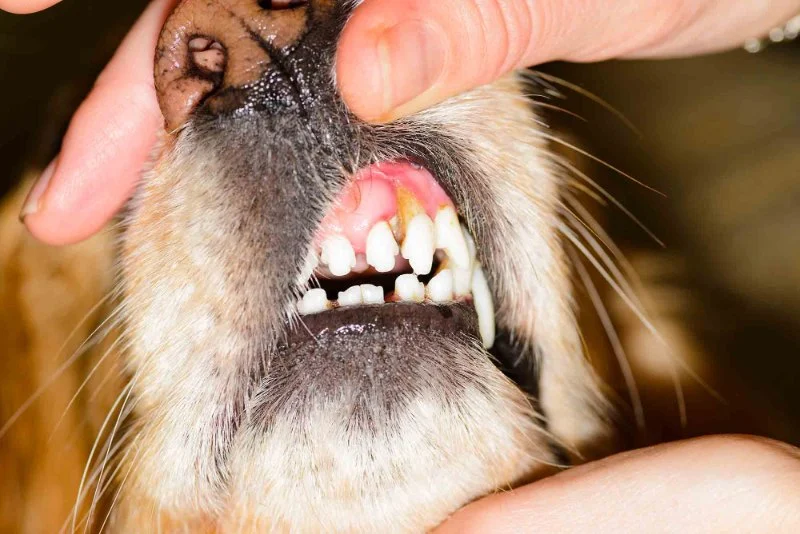
- 1-understanding-dog-dental-disease-and-prevalence
- 2-common-signs-of-gum-problems-in-dogs
- 3-importance-of-early-detection-and-regular-checkups
- 4-role-of-diet-and-chewing-habits-in-dog-oral-health
- 5-effective-dog-teeth-cleaning-methods-for-home
- 6-using-special-dental-products-for-dogs
- 7-preventing-tartar-and-plaque-build-up-in-dogs
- 8-oral-health-care-routine-for-dogs-over-3-years-old
- 9-professional-dental-cleanings-and-when-to-schedule-them
- 10-case-studies-of-successful-dog-dental-care
- 11-common-mistakes-dog-owners-make-in-dental-care
- 12-how-brothers-pets-can-help-improve-dog-oral-health
- 13-importance-of-consistency-and-long-term-prevention
1. Understanding Dog Dental Disease and Prevalence
Dental disease is one of the most common health problems affecting dogs, with studies showing that nearly 80% of dogs over three years old exhibit some form of gum disease. Canine dental disease ranges from plaque accumulation to severe periodontitis, potentially impacting overall health if untreated. Understanding the prevalence emphasizes why proactive oral care is critical for every dog owner in the USA.
Veterinarians often highlight that dental health is directly linked to other systemic issues, including kidney, heart, and liver diseases. Early awareness and intervention can prevent complex health complications.
2. Common Signs of Gum Problems in Dogs
Visible symptoms
Owners may notice red or inflamed gums, bad breath, and visible tartar on teeth. Bleeding during chewing or brushing is a key indicator of gingivitis.
Behavioral changes
Dogs in dental discomfort might avoid hard foods, chew on one side of the mouth, drool excessively, or show reluctance to play with chew toys. Recognizing these subtle signs early is crucial for timely care.
3. Importance of Early Detection and Regular Checkups
Routine veterinary checkups help detect dental issues before they become severe. Many dental problems progress silently; thus, regular examinations can prevent pain, tooth loss, and infections. Annual dental exams, combined with at-home inspections, are recommended for all dogs over three years old.
4. Role of Diet and Chewing Habits in Dog Oral Health
Diet significantly affects dental health. Hard kibble can reduce plaque accumulation, while soft diets may contribute to tartar buildup. Providing appropriate chew toys encourages mechanical cleaning of teeth, promoting gum health. Avoiding human sugary foods is critical to prevent cavities and enamel damage.
5. Effective Dog Teeth Cleaning Methods for Home
Brushing your dog's teeth is the most effective preventive measure. Use a dog-specific toothbrush and toothpaste to avoid toxicity. Begin with short, gentle sessions and gradually extend the time. Consistency is key—daily brushing offers the best protection, but even several times a week can make a noticeable difference.
Finger brushes or dental wipes can be alternative options for dogs that resist traditional brushing.
6. Using Special Dental Products for Dogs
Products like enzymatic toothpaste, dental chews, and oral rinses are effective for maintaining gum health. Products available at Brothers Pets are formulated to safely reduce plaque and tartar while being palatable for dogs, increasing compliance with dental routines.
7. Preventing Tartar and Plaque Build-Up in Dogs
Regular brushing, dental chews, and professional cleanings help prevent tartar accumulation. Monitoring teeth for early signs of buildup allows owners to intervene before it hardens into calculus, which is much more difficult to remove without veterinary treatment.
8. Oral Health Care Routine for Dogs Over 3 Years Old
Dogs over three are at higher risk of dental disease, necessitating structured care routines. Steps include:
- Daily or frequent teeth brushing
- Weekly chew toy or dental chew integration
- Monthly oral inspections for discoloration, swelling, or bad breath
- Scheduled professional dental evaluations
9. Professional Dental Cleanings and When to Schedule Them
Veterinary cleanings remove hardened tartar and evaluate periodontal health. Dogs with moderate to severe gum disease may need anesthesia for thorough cleaning. For most dogs, professional cleanings every 12 to 24 months are advised, with more frequent care for breeds prone to dental issues.
10. Case Studies of Successful Dog Dental Care
Case 1: A Labrador Retriever in Texas showed early gum inflammation. Daily brushing and dental chews from Brothers Pets resolved gingivitis in three months, avoiding the need for professional cleaning.
Case 2: A senior Beagle in Florida had advanced tartar buildup. After a professional cleaning and consistent at-home care, the dog maintained gum health and avoided tooth extractions.
11. Common Mistakes Dog Owners Make in Dental Care
Frequent errors include using human toothpaste, inconsistent brushing schedules, and relying solely on treats or chew toys. Neglecting early signs of gum disease delays intervention and can lead to severe oral and systemic health problems.
12. How Brothers Pets Can Help Improve Dog Oral Health
Brothers Pets offers specialized dental products, chew toys, and guidance tailored to canine oral hygiene. Their expert advice helps dog owners create effective daily routines, choose the right products, and identify early signs of dental disease, ensuring long-term health and comfort for dogs.
13. Importance of Consistency and Long-Term Prevention
Consistency in dental care—both at home and through professional checkups—ensures dogs over three maintain healthy gums and teeth. Long-term prevention reduces veterinary costs, improves overall well-being, and enhances quality of life for pets. By following structured routines and using recommended products from Brothers Pets, dog owners can significantly reduce the risk of gum disease and related complications.





 Banfield Pet Hospital4.0 (97 reviews)
 VCA West Suburban Veterinary Hospital4.0 (442 reviews)
 Radcliffe Animal Care Clinic4.0 (149 reviews)
 Island Trees Veterinary Hospital4.0 (311 reviews)
 Syl Exotics5.0 (3 reviews)
 Suncook River Veterinary Clinic4.0 (246 reviews)
 The Ultimate Guide to Safe Dog Toys for Chewers
 The Role of Nutrition in Your Pet's Overall Health - Essential Tips for Pet Owners
 Understanding Pet Arthritis: Symptoms and Management
 How to Calm Pet Anxiety During Thunderstorms and Fireworks
 Understanding Pet Behavior: Training Tips and Techniques
 The Benefits of Regular Exercise for Your Pet’s Physical and Mental Health