
Understanding Pet Behavior: Training Tips and Techniques
- 1-Understanding Pet Behavior
- 2-Common Pet Behavioral Issues
- 3-Effective Training Techniques
- 4-Positive Reinforcement
- 5-Consistency and Patience in Training
- 6-Case Studies and Examples
- 7-Choosing the Right Training Tools
1. Understanding Pet Behavior
Understanding your pet’s behavior is the first step in successful training. Pets, whether dogs, cats, or other animals, communicate through body language, vocalizations, and actions. By observing these signals, pet owners can gain insight into their pet’s emotional state, needs, and desires. Recognizing the underlying causes of certain behaviors is key to addressing them effectively and building a stronger bond with your pet.
Pets may act out for various reasons, such as fear, anxiety, boredom, or lack of exercise. It’s essential to approach their behavior with patience and empathy, rather than simply punishing unwanted actions. Understanding the root cause helps in using appropriate training methods to correct these behaviors.
2. Common Pet Behavioral Issues
Pets can exhibit a range of behavioral issues that often stem from their natural instincts or a lack of proper training. Some common pet behavioral problems include:
- Excessive barking: A common issue in dogs, often linked to anxiety, boredom, or a lack of stimulation.
- Destructive chewing: Often a result of teething in puppies or a lack of appropriate chew toys.
- Litter box problems: Cats may refuse to use the litter box due to stress, health issues, or cleanliness concerns.
- Jumping on people: A typical behavior in dogs that is often a result of excitement or a lack of boundaries.
Recognizing these issues early and taking steps to address them through training can significantly improve your pet’s behavior and your relationship with them.
3. Effective Training Techniques
There are numerous training techniques available, but the most effective methods often involve consistency, patience, and positive reinforcement. Training a pet requires setting clear boundaries and teaching them the difference between acceptable and unacceptable behavior. Some of the most widely used training techniques include:
- Clicker training: A popular technique where a distinct sound (the click) is used to mark a desired behavior, followed by a reward.
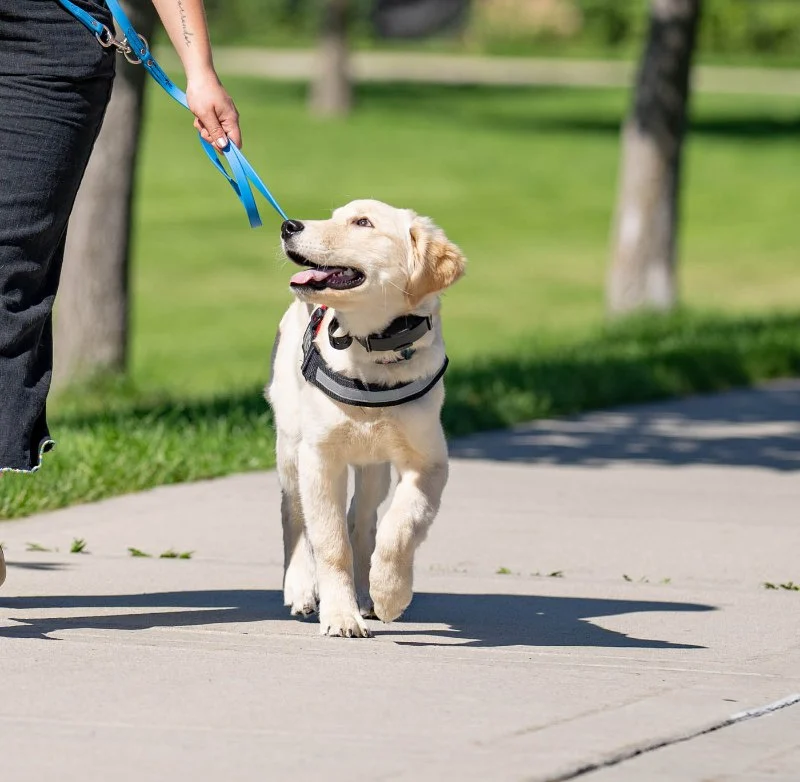
- Leash training: Essential for dogs, this teaches them to walk properly on a leash without pulling or dragging the owner.
- Target training: Involves teaching a pet to touch a target (like your hand or a stick) with their nose or paw as a form of communication or trick.
By understanding your pet’s personality and using appropriate techniques, you can shape their behavior to be more aligned with your expectations.
4. Positive Reinforcement
Positive reinforcement is one of the most effective and humane methods of training pets. This approach involves rewarding your pet for good behavior, which encourages them to repeat the behavior. Rewards can include treats, praise, or even playtime, depending on what motivates your pet.
For example, when training a dog to sit, reward them immediately after they perform the action correctly. The key is to make the reward quick and consistent so the pet can link the good behavior with the reward. Positive reinforcement not only improves behavior but also strengthens the bond between you and your pet.
5. Consistency and Patience in Training
Training your pet requires consistent effort and patience. Pets, especially dogs, thrive on routine, and inconsistency can confuse them. Always use the same commands and reward the same behaviors to reinforce learning. If you are training a dog to stop barking at the doorbell, for instance, make sure everyone in the household follows the same training protocol.
Patience is also crucial. Pets may not immediately respond to commands or stop unwanted behavior. With consistent training and gentle redirection, most pets will learn over time. If training becomes frustrating, it’s helpful to take breaks and come back to it with a fresh perspective.
6. Case Studies and Examples
Let’s take a look at a few examples of how effective training can improve pet behavior:
One dog owner, struggling with their puppy’s excessive barking, decided to use a combination of positive reinforcement and clicker training. They rewarded the puppy every time it stopped barking on command and gradually reduced the rewards as the behavior improved. Over time, the puppy learned to control its barking when asked.
Similarly, a cat owner who struggled with litter box issues found that by providing a clean and stress-free environment, along with consistent use of a positive reward system for proper litter box use, their cat’s behavior greatly improved. In both cases, patience and understanding were key to success.
7. Choosing the Right Training Tools
Choosing the right training tools is an essential part of the process. For dogs, tools like clickers, leashes, and harnesses can help with training. For cats, scratching posts and puzzle feeders can encourage healthy behaviors. It’s important to select tools that align with the training techniques you plan to use.
At Brothers Pets, we offer a wide range of training tools and pet products that can help you create a successful training environment. Whether you're training a puppy or teaching your cat new tricks, the right equipment can make a significant difference.






 Meadowbrook Equine5.0 (3 reviews)
 Sabrina's Reptile Kingdom4.0 (468 reviews)
 Countryside Large Animal Vet4.0 (108 reviews)
 Randolph Veterinary Clinic4.0 (724 reviews)
 Petco4.0 (337 reviews)
 Animal Hospital of West Woodstock4.0 (125 reviews)
 Puppy Socialization Tips: How to Raise a Confident and Friendly Dog
 How to Teach Your Dog Basic Commands Quickly: Expert Tips and Techniques
 Why Spaying and Neutering Improves Pet Health and Behavior
 How to Provide Proper Exercise for Indoor Pets
 Common Mistakes in Pet Vaccination and How to Avoid Them
 How to Reduce Anxiety in Dogs During Car Rides | Proven Tips