
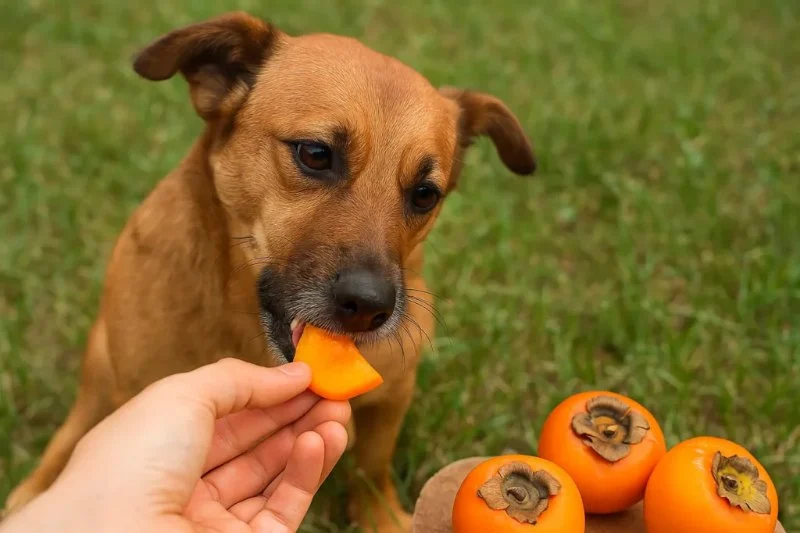
- Persimmons and Dogs - understanding the fruit and its types
- Unripe Persimmon Risks - tannin content and potential toxicity
- Safe Serving Practices - how to prepare persimmons for dogs
- Signs of Digestive Distress - what to watch for after feeding
- Case Study - a real-life example of persimmon ingestion
- Comparing Fruit Options - which fruits are safest for dogs
- Professional Vet Insights - expert recommendations on fruit treats
- Integrating Persimmons Into Diet - moderation and frequency tips
- Brothers Pets Recommendations - sourcing safe products and treats
- Preventive Measures - storing, handling, and emergency steps
Persimmons and Dogs — Understanding the Fruit
Persimmons are sweet, orange fruits often enjoyed in fall across the United States. Two main varieties exist: Fuyu, which is firm and can be eaten while still crisp, and Hachiya, which is highly astringent until fully ripe. Both types can appear in grocery stores, farmers’ markets, or even backyard trees.
For dog owners, understanding these types is essential. Fuyu tends to be less risky because of lower tannin content, while Hachiya carries higher astringency when unripe, which directly impacts safety for pets.
Nutritional Profile of Persimmons
Persimmons are rich in vitamins A and C, fiber, and antioxidants, which can support overall canine health when served properly. However, these benefits can be overshadowed if unripe fruits are fed, as tannins may irritate the digestive system and potentially cause toxicity.
Unripe Persimmon Risks — Tannin Toxicity Explained
Unripe persimmons contain high levels of tannins, natural compounds responsible for the astringent taste. While tannins have some health benefits in humans, they can be harmful to dogs.
How tannins affect dogs
Tannins can bind to proteins and enzymes in a dog’s digestive tract, sometimes leading to nausea, vomiting, diarrhea, or even intestinal blockage in severe cases. Dogs are particularly sensitive to large amounts of unripe fruit because their digestive systems cannot process tannins efficiently.
Reported cases of persimmon toxicity
Veterinary reports occasionally highlight cases where dogs consumed unripe persimmons from backyard trees. Symptoms ranged from mild stomach upset to acute gastrointestinal obstruction when seeds were also ingested. These cases underscore the importance of supervision and proper preparation.
Safe Serving Practices for Persimmons
If you choose to feed persimmons to your dog, only ripe fruit should be used. Remove seeds and the skin to reduce choking hazards and potential digestive irritation. Cut the fruit into small, manageable pieces suitable for the dog’s size.
Portion Control and Moderation
Even ripe persimmons are high in natural sugar. Serving should be occasional and limited to small amounts. A few small pieces for medium-sized dogs is adequate. Overfeeding can contribute to gastrointestinal upset or long-term issues like weight gain.
Practical Preparation Tips
Wash the fruit thoroughly to remove pesticides or residues, peel if needed, and slice it into bite-sized cubes. For owners wanting to integrate persimmons into treats, mixing small portions with yogurt or plain dog food can make it more palatable.
Signs of Digestive Distress After Feeding Persimmons
Monitoring your dog after introducing any new food is crucial. Symptoms to watch include:
- Vomiting or retching
- Diarrhea or loose stools
- Loss of appetite
- Abdominal discomfort or bloating
- Changes in behavior such as lethargy
If any of these signs appear, it is recommended to consult a veterinarian immediately. Prompt attention can prevent more serious complications.
Case Study: Backyard Persimmons and Unexpected Dog Trouble
A Labrador Retriever in Ohio consumed a few unripe Hachiya persimmons dropped from a tree. Within hours, the dog displayed vomiting and mild diarrhea. The owner contacted their local vet, who recommended hydration and monitoring. Fortunately, the dog recovered within 24 hours without lasting effects.
This example illustrates the real-world importance of knowing fruit ripeness and supervision. Even small amounts of unripe persimmons can provoke reactions in sensitive dogs.
Comparing Fruit Options for Dogs
While persimmons can be safe when prepared correctly, other fruits may provide safer alternatives. Blueberries, strawberries, and apples (without seeds) are often recommended due to lower risk of digestive upset and ease of portioning.
Relative Safety Ranking
- Blueberries: Very safe, high in antioxidants- Strawberries: Safe, moderate sugar content- Apples: Safe if seeds removed, fiber-rich- Persimmons: Safe only if ripe, seeds removed, limited portion- Citrus fruits: Usually not recommended due to acidity
Professional Vet Insights on Fruit Treats
Veterinarians emphasize that fruits should only complement, not replace, a balanced diet. Persimmons, when properly handled, can be a healthy treat. However, unripe fruit poses avoidable risks. Regular consultation with a vet ensures that fruit introduction aligns with your dog’s overall nutrition plan.
Integrating Persimmons Into Your Dog’s Diet
To safely incorporate persimmons:
- Only serve fully ripe fruits.
- Remove seeds and skin for small or medium dogs.
- Introduce gradually to monitor tolerance.
- Use small amounts as part of a balanced treat rotation.
- Observe your dog’s reaction and adjust accordingly.
These steps maximize the nutritional benefits while minimizing health risks.
Brothers Pets Recommendations for Safe Fruit Treats
For dog owners seeking high-quality options, Brothers Pets offers curated guidance on safe fruits and treats. They provide products vetted for quality and safety, along with advice on integrating them responsibly into your dog’s diet.
Preventive Measures and Handling Tips
To minimize risks:
- Store persimmons out of reach of dogs until fully ripe.
- Monitor your dog closely when introducing any new food.
- Keep veterinary contacts handy in case of accidental ingestion.
- Consider alternative fruit treats if your dog has a sensitive stomach.
These measures ensure that occasional fruit indulgence remains a safe and enjoyable experience for your dog.
Long-Term Health Considerations
Regular monitoring of diet and cautious integration of treats like persimmons support long-term digestive health and reduce risks of weight-related issues. When combined with professional guidance and moderation, persimmons can be a beneficial addition to your dog’s treat rotation.
By following these detailed steps and relying on trusted sources such as Brothers Pets, dog owners can confidently offer persimmons safely while protecting their pets from unripe fruit tannin toxicity.






 Hickory Veterinary Services4.0 (80 reviews)
 Piscataway Animal Clinic4.0 (188 reviews)
 Banfield Pet Hospital4.0 (268 reviews)
 Irvington Veterinary Clinic4.0 (87 reviews)
 Walnut Grove Animal Clinic4.0 (56 reviews)
 Vetco Vaccination Clinic4.0 (7 reviews)
 How to Improve Your Pet’s Travel Safety with Practical Tips and Gear
 How to Prevent Tick-Borne Diseases in Cats: A Comprehensive Guide
 How to Spot and Treat Liver Disease in Cats and Dogs: A Complete Guide
 How to Spot and Treat Heartworms in Pets
 The Ultimate Guide to Pet Behavior: Understanding Your Pet’s Actions and Needs
 Benefits of Microchipping Your Pet for Safety and Recovery