

Why Your Cat Keeps Sneezing More Than Usual
- Understanding-the-pattern-of-sneezing-when-it-becomes-a-concern
- Allergies-feline-herpes-virus-or-respiratory-infection-key-differences
- Home-observation-vs-veterinary-diagnosis-what-you-should-track
- Care-strategies-and-when-to-seek-professional-help
If you’ve found yourself repeatedly asking “why is my cat sneezing a lot,” you’re not alone. Many cat owners first notice it during quiet moments at home—maybe while their cat is stretching near a window or after cleaning the house. Sneezing once in a while is normal, but when it becomes frequent or paired with other symptoms, it’s worth paying closer attention.
The tricky part is that sneezing in cats can come from several different causes. Some are mild and temporary, while others require proper medical care. The most common culprits include allergies, feline herpes virus, and respiratory infections.
Allergies in Cats: The Quiet Everyday Trigger
Allergies are often the most overlooked reason behind persistent sneezing. Just like humans, cats can react to environmental irritants. Dust, pollen, mold spores, cigarette smoke, scented cleaning products, and even certain types of litter can irritate their sensitive nasal passages.
A real-world example many pet owners recognize is seasonal sneezing. One cat owner shared how their indoor cat began sneezing heavily every spring. After ruling out infection, they discovered the cause was pollen entering through open windows. Once they installed a simple air filter and limited window exposure during peak pollen hours, the sneezing reduced significantly.
Typical signs that suggest allergies rather than infection include clear nasal discharge, occasional watery eyes, and otherwise normal energy levels. Cats with allergies usually continue eating, playing, and behaving normally.
Feline Herpes Virus: A Lifelong but Manageable Condition
Feline herpes virus (FHV-1) is one of the most common viral infections in cats. Many cats are exposed early in life, especially in shelters or multi-cat environments. Once infected, the virus remains in the body and can reactivate during stress or illness.
When active, feline herpes often causes sneezing, nasal congestion, and watery or crusty eyes. Some cats may also show reduced appetite due to loss of smell.
A key detail is recurrence. Unlike allergies, feline herpes symptoms often come in cycles. A cat might appear completely healthy for weeks or months, then suddenly begin sneezing again during stressful events such as moving homes or introducing a new pet.
Managing feline herpes usually focuses on reducing stress and supporting immune health. Many pet owners find that maintaining a stable routine and clean environment significantly reduces flare-ups. For targeted advice and supportive pet care solutions, platforms like Brothers Pets offer helpful resources for cat wellness products and care strategies.
Respiratory Infections: When Sneezing Signals Something More Serious
Upper respiratory infections in cats are often caused by viruses or bacteria and can spread quickly, especially in multi-cat households. These infections are more intense than allergies and usually come with additional symptoms.
You might notice thick yellow or green nasal discharge, coughing, fever, or noticeable lethargy. Unlike allergy-related sneezing, infected cats often lose interest in food and may isolate themselves.
One commonly reported scenario involves newly adopted shelter cats. Within a week of adoption, some owners notice sneezing paired with watery eyes and reduced appetite. In many cases, stress from relocation triggers an underlying respiratory infection that was already incubating.
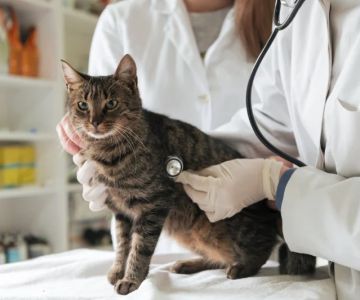
Because respiratory infections can worsen quickly, veterinary attention is often necessary. Early intervention can prevent complications such as dehydration or secondary infections.
How to Observe Your Cat Like a Pet Health Detective
Understanding the cause behind sneezing requires careful observation. Instead of reacting to a single symptom, it helps to look at patterns over time.
Pay attention to the type of nasal discharge. Clear fluid often points to allergies, while thick colored discharge suggests infection. Also note whether sneezing happens at specific times—such as after cleaning, during seasonal changes, or after stressful events.
Energy levels are another strong indicator. A cat that is sneezing but still playful and alert is more likely dealing with allergies or mild irritation. A cat that becomes withdrawn or stops eating may need medical evaluation.
Environmental Triggers You Might Be Overlooking
Sometimes the cause is hiding in plain sight. Strong air fresheners, new furniture, scented candles, or even changes in laundry detergent can irritate a cat’s respiratory system.
Even something as simple as switching cat litter brands can trigger sneezing. Clay-based litters, for example, may produce more dust, which can irritate sensitive cats.
One pet owner reported that their cat’s sneezing stopped completely after switching from a heavily scented litter to a dust-free alternative. This highlights how small environmental changes can have a big impact.
When Sneezing Becomes a Warning Sign
While occasional sneezing is normal, certain symptoms should not be ignored. Persistent sneezing lasting more than a week, thick nasal discharge, breathing difficulty, or noticeable fatigue are strong indicators that something more serious may be happening.
In these cases, delaying care can make recovery more difficult. Respiratory issues in cats tend to escalate faster than many owners expect.
Supporting Your Cat’s Recovery at Home
Whether the cause is allergies or a mild infection, supportive care at home plays an important role. Keeping your cat in a clean, low-stress environment can significantly improve comfort.
Humidifiers can help ease nasal congestion, while gently wiping the face with a warm cloth can provide relief. Encouraging hydration is also essential, especially if appetite is reduced.
Some pet owners also find that warming food slightly enhances smell and encourages eating during recovery periods.
Practical Insight from Everyday Pet Owners
A common story shared among cat owners involves misinterpreting sneezing as a simple cold. One family initially thought their cat had a mild seasonal allergy, but when symptoms worsened, a vet diagnosed a respiratory infection that required treatment. Early misunderstanding delayed care, but once addressed properly, the cat recovered fully.
This kind of experience highlights why paying attention to subtle changes matters. Cats often hide discomfort, so small signs like sneezing can be the earliest warning.
Final Thoughts on Understanding Feline Sneezing Patterns
Sneezing in cats is not always a cause for panic, but it should never be ignored when it becomes frequent or changes in pattern. By carefully observing symptoms and understanding potential causes such as allergies, feline herpes virus, or respiratory infections, pet owners can respond more effectively.
If you’re looking to better support your cat’s respiratory health and daily comfort, exploring trusted care guidance and pet wellness resources from Brothers Pets can help you make more informed decisions for long-term well-being.





 Mountainside DVM5.0 (1 reviews)
 PetVet Vaccination Clinic0.0 (0 reviews)
 Big Creek Pet Hospital4.0 (213 reviews)
 Richter Animal Hospital4.0 (586 reviews)
 Dr. Leslie Thomas, DVM, DACVS-SA4.0 (5 reviews)
 Warren Township Animal Hospital - Anna Marie Gallo DVM4.0 (27 reviews)
 Top 11 Tips for Pet Adoption Every Future Owner Should Know
 How to Spot and Treat Pet Urinary Issues
 Understanding Pet Nutrition: What to Feed Your Pet
 How to Manage Your Pet’s Chronic Pain: Effective Pain Relief Methods
 Best Probiotic Supplements for Dogs to Boost Digestive and Immune Health
 How to Ensure Your Pet’s Safety During Outdoor Adventures