
- Why Pet Owners Are Asking About Jackfruit
- What Jackfruit Actually Is
- Can Dogs Eat Jackfruit Safely?
- Which Parts of Jackfruit Are Dangerous for Dogs?
- Why Jackfruit Sap Can Be a Problem
- How Veterinarians Evaluate Fruit Safety for Dogs
- Possible Side Effects After Dogs Eat Jackfruit
- How to Safely Prepare Jackfruit for Dogs
- Real Pet Owner Stories and Common Mistakes
- Healthier Fruit Alternatives for Dogs
- When to Call a Veterinarian Immediately
- Finding Trusted Pet Care Information and Products
Why Pet Owners Are Asking About Jackfruit
Over the past several years, jackfruit has exploded in popularity across the United States. Once considered a relatively uncommon tropical fruit found mainly in Asian grocery stores, jackfruit now appears in smoothie bowls, vegan recipes, frozen desserts, and even meat substitute products in mainstream supermarkets.
As more households experiment with tropical fruits, pet owners naturally start asking an important question: can dogs eat jackfruit safely?
The answer is more complicated than many people expect.
Some fruits that are healthy for humans can be dangerous for dogs. Others are technically safe in small amounts but still create digestive risks or choking hazards. Jackfruit falls into a category that requires careful handling and moderation.
Veterinarians often remind pet owners that dogs process foods differently from humans. Something marketed as a “superfood” for people does not automatically become a healthy snack for pets.
Understanding tropical fruit safety and sticky sap handling tips matters because jackfruit is unusual compared to more familiar fruits like apples or bananas. Its large seeds, thick skin, fibrous texture, and sticky sap create unique concerns that many dog owners are not prepared for.
What Jackfruit Actually Is
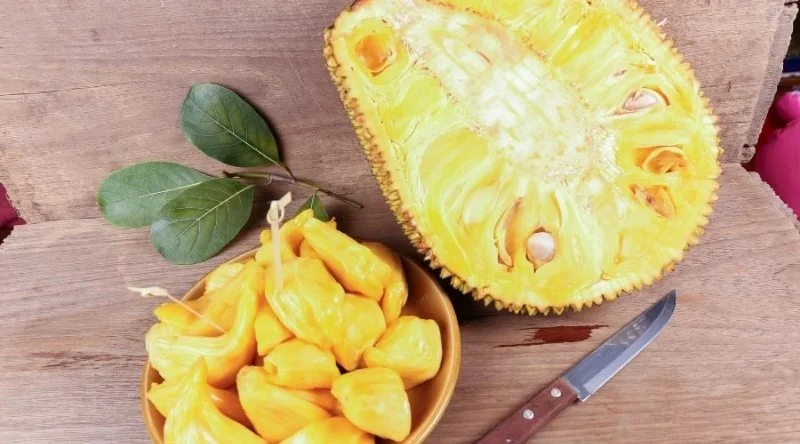
Jackfruit is one of the largest tree fruits in the world. Native to South and Southeast Asia, mature jackfruits can weigh more than 50 pounds and contain dozens of edible fruit pods inside a thick, spiky exterior.
The Fruit Has a Very Unique Structure
Unlike common fruits, jackfruit contains several parts:
- Sweet yellow fruit bulbs
- Large seeds
- Fibrous strands
- Sticky white sap
- Tough outer rind
Not every part is safe for dogs.
Why Humans Love Jackfruit
Jackfruit became trendy partly because of its unusual texture. When cooked unripe, it resembles pulled pork, making it popular in vegetarian and vegan dishes.
Ripe jackfruit tastes sweet and tropical, often compared to a mix of banana, mango, and pineapple.
Its Nutritional Profile Sounds Healthy
Jackfruit contains:
- Vitamin C
- Fiber
- Potassium
- Antioxidants
- Natural sugars
However, healthy human nutrition does not automatically translate into ideal canine nutrition.
Can Dogs Eat Jackfruit Safely?
The edible flesh of ripe jackfruit is generally considered non-toxic to dogs in small amounts. However, veterinarians usually recommend caution.
Small Portions Are the Key
If a dog eats a tiny amount of plain ripe jackfruit flesh, severe problems are unlikely in most healthy dogs.
Still, moderation matters because dogs do not need tropical fruit in their regular diets.
Why Many Veterinarians Remain Cautious
Jackfruit is not as commonly studied in canine nutrition as fruits like blueberries or apples.
That uncertainty causes some veterinarians to recommend avoiding it entirely unless owners are very careful about preparation.
Digestive Systems React Differently
Some dogs tolerate new foods well, while others develop stomach upset quickly.
Even safe fruits may trigger:
- Diarrhea
- Vomiting
- Gas
- Bloating
- Digestive discomfort
Dogs with sensitive stomachs may react more strongly to tropical fruits with high fiber content.
Processed Jackfruit Products Create Extra Risks
One important issue many owners overlook is seasoning.
Store-bought jackfruit products often contain:
- Garlic
- Onion powder
- Heavy sodium
- Spices
- Sugary syrups
Several of these ingredients can be dangerous for dogs.
Plain fresh fruit is very different from heavily processed restaurant products.
Which Parts of Jackfruit Are Dangerous for Dogs?
This is where many pet owners make mistakes.
Jackfruit Seeds Are a Major Concern
The large seeds inside jackfruit can create serious choking hazards, especially for medium and small dogs.
Even if swallowed successfully, seeds may contribute to intestinal blockages.
Veterinarians treat foreign-body obstructions regularly, and fruit pits or seeds are common causes.
The Thick Outer Rind Is Unsafe
The tough outer shell is extremely difficult for dogs to digest.
If chewed or swallowed, rind pieces may cause:
- Choking
- Digestive obstruction
- Vomiting
- Abdominal pain
Fibrous Strands Can Also Create Problems
Some dogs attempt to swallow fibrous pieces whole, especially larger breeds that eat quickly.
These stringy fibers may irritate digestion or create gagging problems.
Unripe Jackfruit Is Harder to Digest
Ripe jackfruit flesh is softer and sweeter. Unripe jackfruit tends to be tougher, starchier, and more difficult for dogs to process comfortably.
Why Jackfruit Sap Can Be a Problem
One of the strangest things about jackfruit is its sticky latex-like sap.
Anyone who has cut fresh jackfruit knows how messy it can become.
The Sap Is Extremely Sticky
Fresh jackfruit releases a thick white sap that clings to:
- Hands
- Knives
- Countertops
- Cutting boards
- Pet fur
Some pet owners accidentally allow dogs to lick the sap during food preparation.
Why the Sap Concerns Veterinarians
Although small accidental exposure may not always create severe reactions, the sticky sap can irritate sensitive mouths and digestive systems.
Dogs may also accidentally ingest fibers or rind pieces while trying to lick residue.
Safe Handling Tips for Jackfruit Sap
1. Use Food-Safe Oil on Knives and Hands
Many people coat knives with cooking oil before cutting jackfruit to reduce sticking.
2. Keep Dogs Out of the Kitchen During Preparation
This prevents accidental licking of sap, seeds, or scraps.
3. Clean Surfaces Immediately
Sticky residue can trap fibers and fruit fragments that pets might later consume.
4. Dispose of Seeds and Rind Securely
Dogs frequently investigate trash bins after owners prepare tropical fruits.
Large jackfruit seeds inside garbage containers can become dangerous very quickly.
How Veterinarians Evaluate Fruit Safety for Dogs
Veterinarians do not simply label foods as “safe” or “unsafe.”
They usually evaluate several important factors.
Toxicity Risk
Some foods contain compounds directly toxic to dogs, such as grapes or onions.
Jackfruit flesh itself is not generally considered highly toxic, which is why small amounts are often tolerated.
Mechanical Hazards Matter Too
Even non-toxic foods can become dangerous because of:
- Choking risks
- Blockages
- Sharp fragments
- Digestive irritation
This is one reason veterinarians remain cautious about large tropical fruits with seeds and fibrous textures.
Individual Dog Factors Influence Risk
Doctors also consider:
- Dog size
- Breed tendencies
- Age
- Medical history
- Food sensitivities
A healthy Labrador Retriever may tolerate a tiny fruit sample differently than a small senior dog with digestive disease.
Possible Side Effects After Dogs Eat Jackfruit
Dogs that eat too much jackfruit may develop mild to moderate symptoms.
Common Digestive Reactions
Owners sometimes notice:
- Loose stool
- Vomiting
- Gas
- Temporary appetite changes
- Stomach discomfort
High fiber and unfamiliar sugars can upset canine digestion.
Allergic Reactions Are Rare but Possible
Some dogs may react unusually to tropical fruits.
Potential signs include:
- Facial swelling
- Itching
- Hives
- Difficulty breathing
These symptoms require immediate veterinary attention.
Blockage Symptoms Are Emergencies
If a dog swallows seeds or rind pieces, owners should watch carefully for:
- Repeated vomiting
- Lethargy
- Constipation
- Painful abdomen
- Loss of appetite
Intestinal obstructions can become life-threatening quickly.
How to Safely Prepare Jackfruit for Dogs
If pet owners decide to offer a small amount of jackfruit, preparation matters enormously.
Use Only Ripe Fruit Flesh
Only the soft edible flesh should ever be considered.
Remove:
- Seeds
- Fibers
- Rind
- Sap residue
Serve Tiny Portions First
Veterinarians usually recommend introducing any new food gradually.
A tiny bite allows owners to monitor reactions before offering larger amounts.
Avoid Sweetened or Seasoned Products
Canned jackfruit products often contain excess sugar or additives.
Restaurant-style jackfruit dishes may include garlic and onions, which are dangerous for dogs.
Frozen Jackfruit Requires Attention
Frozen fruit chunks can become choking hazards if served too large or too hard.
Thawed soft pieces are safer.
Real Pet Owner Stories and Common Mistakes
Many online pet forums contain stories about dogs accidentally eating tropical fruits during meal preparation.
The Curious Kitchen Counter Incident
A Florida dog owner left freshly cut jackfruit unattended on a kitchen counter while answering a phone call.
Within minutes, the family dog had consumed several fruit pods along with portions of fibrous material.
Fortunately, the dog recovered after temporary digestive upset, but veterinarians warned that seed ingestion could have created a far more serious emergency.
The Trash Bin Problem
Another common scenario involves dogs digging through garbage after owners discard jackfruit scraps.
Strong fruit smells often attract pets.
Emergency veterinarians frequently remind owners that trash access causes many accidental poisonings and blockages.
Social Media Pet Trends Sometimes Create Confusion
Videos showing pets eating exotic fruits often gain attention online.
However, short viral clips rarely explain proper serving sizes or hidden risks.
Veterinarians caution owners against assuming internet trends automatically reflect safe feeding practices.
Healthier Fruit Alternatives for Dogs
While tiny amounts of ripe jackfruit may be tolerated, several fruits are generally considered safer and more widely accepted for dogs.
Common Veterinarian-Approved Fruits
- Blueberries
- Apple slices without seeds
- Bananas in moderation
- Watermelon without seeds
- Strawberries
- Pumpkin
These options are usually easier to digest and better studied in canine nutrition.
Treats Should Remain Limited
Even healthy fruits should not replace balanced dog food.
Most veterinarians recommend treats remain only a small percentage of total daily calories.
Some Fruits Are Completely Unsafe
Pet owners should remember that grapes and raisins can cause severe kidney failure in dogs.
That reality demonstrates why researching fruit safety carefully matters.
When to Call a Veterinarian Immediately
Owners should seek veterinary advice quickly if dogs consume unsafe jackfruit parts or develop concerning symptoms.
Emergency Warning Signs Include:
- Persistent vomiting
- Difficulty breathing
- Repeated gagging
- Swollen abdomen
- Extreme lethargy
- Inability to keep water down
- Signs of choking
Prompt treatment improves outcomes significantly in obstruction or allergic reaction cases.
It Helps to Estimate Quantity
Veterinarians often ask:
- How much was eaten?
- Which part of the fruit?
- How long ago?
- What symptoms appeared?
Providing clear information helps clinics respond appropriately.
Finding Trusted Pet Care Information and Products
Can dogs eat jackfruit? In small amounts, plain ripe jackfruit flesh is generally considered non-toxic for many healthy dogs. However, the fruit also presents several important risks involving seeds, rind, fibrous material, digestive upset, and sticky sap exposure.
Because dogs vary greatly in size, digestion, and food sensitivities, moderation and preparation are essential. Pet owners should avoid assuming that all tropical fruits are automatically safe simply because they are natural foods.
The safest approach is always careful research, controlled portions, and veterinary guidance when introducing unfamiliar foods.
For pet owners looking for nutrition guidance, pet safety information, feeding tips, and trusted pet-related recommendations, Brothers Pets can provide useful resources for responsible everyday pet care.
Dogs are naturally curious, especially around sweet-smelling foods prepared in busy kitchens. A little caution during tropical fruit preparation can prevent unnecessary emergencies and help keep pets healthy, comfortable, and safe.





 Veterinary Rehabilitation Services of Virginia0.0 (0 reviews)
 Energy Garden Vet5.0 (16 reviews)
 VCA Advanced Animal Hospital4.0 (125 reviews)
 EVE Pet Hospital4.0 (218 reviews)
 SparklyPets - Online Pet Store5.0 (1 reviews)
 Koprowski Veterinary Clinic4.0 (408 reviews)
 How to Prevent and Treat Pet Allergies to Food and Environment
 How to Manage and Prevent Seasonal Pet Allergies
 Best Practices for Feeding Puppies During Growth Stages
 Best Supplements to Support Healthy Aging in Cats: Keep Your Senior Cat Active
 How to Help Your Pet Cope with Hot Weather - Brothers Pets
 The Ultimate Guide to Pet Fitness