

Understanding Dog Fibrotic Myopathy Symptoms in German Shepherd Dogs
- condition-overview - what fibrotic myopathy means in working and active breeds
- muscle-change-patterns - how fibrosis develops inside the thigh muscle over time
- early-recognition-signs - subtle mobility changes owners often miss
Dog fibrotic myopathy symptoms in German Shepherd dogs often begin subtly, which is why many owners mistake early signs for minor strains or fatigue. Over time, however, the condition becomes more obvious as the affected thigh muscle gradually turns firm, tight, and less flexible. This change in texture is often described by veterinarians as a “hard thigh muscle,” particularly noticeable during walking or exercise.
German Shepherds are especially vulnerable due to their athletic build and high activity levels. These dogs rely heavily on powerful hind limbs for running, jumping, and working tasks. When fibrotic tissue replaces normal muscle fibers, mobility becomes restricted, and gait abnormalities begin to appear.
Many owners first notice something unusual during routine activities like climbing stairs or standing up after rest. The dog may hesitate, shift weight to the opposite leg, or show a shortened stride. These early signs are critical for early intervention.
What Happens Inside the Muscle: The Biological Process Behind Fibrosis
- tissue-transformation - how healthy muscle fibers become fibrotic tissue
- movement-restriction-effects - why stiffness increases over time
- pain-vs-mechanical-limitation - distinguishing discomfort from physical restriction
Fibrotic myopathy occurs when normal muscle tissue is replaced with dense, non-elastic fibrous tissue. Unlike healthy muscle fibers that stretch and contract smoothly, fibrotic tissue is rigid and resistant to movement. This leads to a progressive loss of flexibility in the affected leg.
In German Shepherds, the hamstring group is commonly involved. As fibrosis develops, the thigh begins to feel unusually firm. Owners often describe it as a “wood-like” or “rock-hard” muscle compared to the unaffected side. This is one of the hallmark dog fibrotic myopathy symptoms.
Interestingly, pain may not always be the main complaint. Instead, the mechanical restriction caused by the stiffened muscle prevents normal extension of the hind limb. This distinction is important because it changes how veterinarians approach treatment and rehabilitation.
Recognizing Hard Thigh Muscle in German Shepherd Mobility Issues
- gait-abnormalities - visible changes in walking and running patterns
- muscle-asymmetry - differences between affected and healthy hind limbs
- activity-intolerance - reduced endurance during exercise
One of the clearest indicators of a hard thigh muscle German Shepherd condition is a shortened stride. The affected leg does not extend fully backward, causing the dog to compensate with an uneven gait. Over time, this can lead to secondary strain in other joints such as the hips or lower back.
Muscle asymmetry is another key sign. When comparing both hind legs, the affected thigh may feel significantly tighter or appear slightly smaller due to reduced use. This imbalance becomes more noticeable in active dogs that previously had symmetrical muscle development.
A real-life example comes from a working-line German Shepherd named Rex, who began showing subtle stiffness after long training sessions. His handler initially assumed it was normal fatigue. However, within months, Rex began skipping strides with his left hind leg. Veterinary evaluation confirmed fibrotic changes in the hamstring region, highlighting how quickly the condition can progress if unnoticed.
Common Causes and Risk Factors Behind Muscle Contracture in Dogs
- trauma-history - injuries that may trigger abnormal healing responses
- repetitive-strain - overuse in working or sport dogs
- genetic-predisposition - breed tendencies seen in German Shepherds
While the exact cause of canine muscle fibrosis is not always clear, trauma is frequently considered a contributing factor. A deep muscle injury that heals improperly may lead to fibrotic tissue formation instead of healthy regeneration.
Working dogs such as German Shepherds, police K9s, and agility competitors are at higher risk due to repetitive stress. Continuous high-impact movement can increase the likelihood of micro-tears in muscle fibers, which may eventually develop into fibrotic changes.
Some veterinary researchers also suggest a genetic predisposition in certain lines of German Shepherds, particularly those bred for intense physical performance. This does not guarantee the condition will occur, but it may increase susceptibility under physical strain.
Diagnosis Process for Canine Muscle Fibrosis in Active Dogs
- physical-examination - palpation of muscle firmness and range of motion
- imaging-tools - ultrasound or MRI to assess tissue changes
- movement-analysis - observing gait patterns during controlled walking
Veterinarians typically begin with a hands-on examination, feeling for abnormal firmness in the thigh muscles. Reduced flexibility during joint extension is another strong indicator of fibrotic involvement.
Advanced imaging techniques such as ultrasound or MRI may be used to confirm structural changes in muscle tissue. These tools help differentiate fibrosis from other conditions like ligament injuries or hip dysplasia, which can present similar symptoms.
Gait analysis also plays an important role. Subtle changes in movement mechanics often provide early clues before severe stiffness becomes visible.
Treatment and Long-Term Management Strategies
- rehabilitation-therapy - structured physiotherapy and stretching routines
- mobility-support - lifestyle adjustments for affected dogs
- progress-monitoring - tracking improvement or stabilization over time
Although fibrotic myopathy cannot always be fully reversed, management focuses on improving mobility and slowing progression. Controlled physical therapy is often the foundation of treatment, including gentle stretching and hydrotherapy.
In some cases, surgical intervention may be considered, but results vary depending on severity. Many veterinarians emphasize that early-stage intervention leads to better long-term outcomes.
Owners often need to adjust exercise routines. Instead of high-impact running, low-resistance activities like walking or swimming are recommended. These help maintain muscle function without increasing strain.
For pet owners looking for supportive care tools, rehabilitation products, and mobility aids tailored for active breeds, Brothers Pets offers curated resources designed to support long-term canine joint and muscle health.
Real Case Insight: A German Shepherd’s Recovery Journey
- case-background - active family dog with sudden hind limb stiffness
- diagnostic-breakthrough - identifying early fibrotic changes
- care-adjustments - long-term lifestyle modification and rehab plan
A family-owned German Shepherd named Luna developed gradual stiffness in her right hind leg after a minor backyard injury. Initially, the symptoms were dismissed as a simple strain. However, over several months, the muscle became noticeably firmer and her stride shortened.
After veterinary evaluation, early-stage fibrotic myopathy was diagnosed. With consistent physiotherapy and controlled exercise, Luna’s mobility stabilized. While she did not return to her previous athletic level, she regained comfortable daily movement without pain escalation.
This case highlights the importance of early recognition and structured care in managing dog fibrotic myopathy symptoms effectively.
Living With a Dog Affected by Muscle Fibrosis
- home-environment-adjustments - making daily movement easier and safer
- exercise-balancing - maintaining activity without overloading muscles
- long-term-wellbeing-focus - prioritizing comfort and quality of life
Managing a German Shepherd with mobility issues requires patience and consistency. Simple changes at home, such as non-slip flooring and controlled stair access, can significantly reduce strain on affected limbs.
Exercise routines should focus on consistency rather than intensity. Regular low-impact movement helps maintain circulation and prevents further stiffness.
Over time, owners often learn to read subtle changes in their dog’s behavior, adjusting activity levels accordingly. This attentive care plays a major role in maintaining comfort and long-term wellbeing.
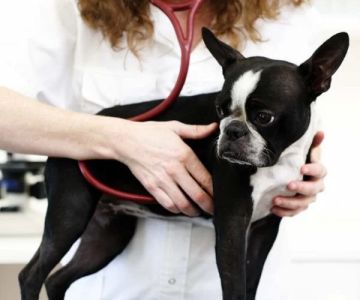





 Steppy Bed5.0 (22 reviews)
 Petcare Hospital & Wellness Center, A Thrive Pet Healthcare Partner4.0 (392 reviews)
 Roswell Veterinary Associates4.0 (103 reviews)
 Grand Canyon Veterinary Surgery Center0.0 (0 reviews)
 Ryan's Fish Shop4.0 (19 reviews)
 Heather Ridge Pet Hospital4.0 (608 reviews)
 Top 11 Tips for Veterinary Advice Every Pet Owner Should Know
 How to Care for Your Pet’s Joints and Mobility as They Age
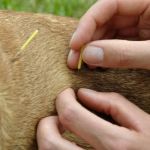 Understanding the Benefits of Pet Acupuncture for Health and Healing
 How to Care for Your Pet's Eyes and Ears
 How to Manage Your Pet's Stress and Anxiety Levels: Effective Tips and Strategies
 How to Keep Your Pet’s Coat Healthy and Beautiful: Tips and Tricks