
- -recognizing-the-common-signs-of-dog-conjunctivitis
- -understanding-causes-of-red-eye-and-ocular-discharge-in-dogs
- -how-to-distinguish-conjunctivitis-from-other-eye-conditions
- -home-care-tips-for-managing-mild-canine-conjunctivitis
- -when-to-seek-veterinary-intervention-for-dog-eye-issues
- -preventing-eye-infections-through-routine-eye-care
- -diet-and-lifestyle-factors-that-impact-dog-eye-health
- -real-life-case-study-of-conjunctivitis-in-a-pet-dog
- -choosing-the-right-eye-care-products-for-your-dog
- -why-brothers-pets-is-your-trusted-resource-for-dog-eye-health
Recognizing the Common Signs of Dog Conjunctivitis
Conjunctivitis, commonly known as pink eye in dogs, is characterized by inflammation of the conjunctiva—the delicate tissue lining the eyelids and covering the white of the eye. The most noticeable symptoms include red eye, squinting, and gooey discharge. Owners often notice their dogs pawing at the eyes or blinking excessively due to irritation and discomfort.
Other signs include swelling around the eyelid, sensitivity to light, and watery eyes. While these symptoms are often mild, persistent redness or discharge may indicate a more serious infection requiring veterinary attention.
Understanding these early warning signs is crucial because untreated conjunctivitis can escalate, leading to corneal ulcers or chronic eye irritation.
Understanding the Causes of Red Eye and Gooey Discharge in Dogs
Several factors can trigger conjunctivitis in dogs. Allergies, bacterial or viral infections, environmental irritants like dust or pollen, and foreign objects lodged in the eye are common causes. Dogs with underlying health conditions, such as autoimmune disorders or endocrine imbalances, may also be more prone to eye infections.
Allergic conjunctivitis often produces watery discharge and mild redness, while bacterial infections are typically associated with yellow or green gooey discharge. Recognizing the type of discharge can provide critical clues about the underlying cause and inform appropriate treatment.
For example, a Labrador Retriever living near a dusty construction site developed chronic squinting and yellow eye discharge. Once the irritant was removed and a veterinary-prescribed eye wash administered, symptoms subsided within a week.
Distinguishing Conjunctivitis from Other Canine Eye Conditions
Red eye in dogs can also result from glaucoma, corneal ulcers, or uveitis. Differentiating between these conditions and conjunctivitis is important to prevent misdiagnosis. Conjunctivitis primarily affects the conjunctiva, whereas other conditions may cause changes deeper within the eye or affect intraocular pressure.
A practical approach is to observe both eyes: if one eye appears inflamed with discharge while the other remains normal, bacterial or viral conjunctivitis may be more likely. Conversely, bilateral redness may indicate allergies or systemic health issues.
Regular veterinary check-ups and eye examinations ensure accurate diagnosis and prevent complications that could affect vision.
Home Care Tips for Managing Mild Canine Conjunctivitis
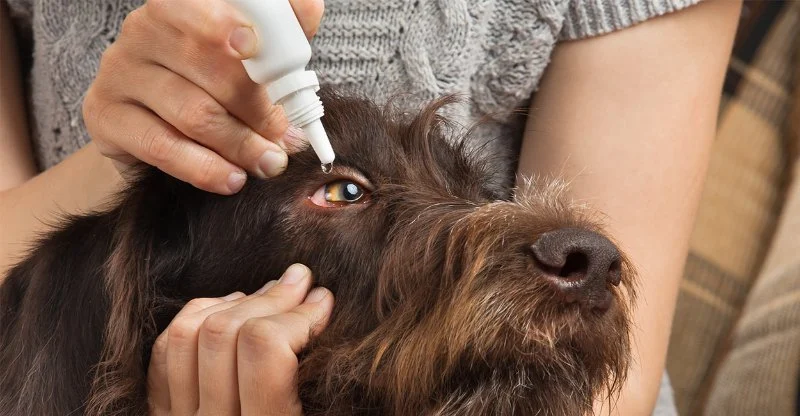
Mild cases of conjunctivitis can often be managed at home with careful monitoring and hygiene. Gently wiping away discharge with a damp, clean cloth and ensuring the dog’s environment is free of irritants can reduce inflammation. Saline eye washes, available through pet care providers, can help rinse allergens or debris.
It is important to avoid using human eye drops unless specifically prescribed by a veterinarian, as some ingredients can be harmful to dogs.
Providing a calm, stress-free environment also supports recovery. Over-the-counter anti-inflammatory eye ointments for dogs can sometimes be used under veterinary guidance for faster relief.
When to Seek Veterinary Intervention
While home care can assist in mild conjunctivitis, veterinary consultation is critical when symptoms persist longer than a few days, discharge changes color, or swelling worsens. Sudden redness, cloudiness in the eye, or signs of pain may indicate a more serious infection or corneal damage.
Veterinarians may prescribe antibiotic eye drops or ointments, anti-inflammatory medications, or, in severe cases, conduct further testing to rule out systemic illness. Early intervention prevents progression and ensures the dog’s vision remains protected.
Preventing Eye Infections Through Routine Care
Regular eye maintenance is key to reducing the risk of conjunctivitis. Brushing around the eye, trimming hair that may irritate the eyelids, and routinely checking for redness or discharge can prevent problems before they escalate.
Environmental control, such as limiting exposure to dust, pollen, or harsh chemicals, also contributes to eye health. Dogs prone to allergies may benefit from hypoallergenic bedding and air filtration systems indoors.
Diet and Lifestyle Factors That Affect Eye Health
Nutrition plays a role in ocular health. Diets rich in omega-3 fatty acids, antioxidants, and vitamins A and E support healthy eyes and may reduce inflammation. Maintaining an appropriate weight and exercise routine enhances overall health and immune function, indirectly reducing susceptibility to infections.
Hydration is another often-overlooked factor. Sufficient water intake keeps mucous membranes, including the eyes, healthy and less prone to irritation.
Real-Life Case Study: Canine Conjunctivitis Recovery
Bella, a 4-year-old Golden Retriever, presented with squinting, red eyes, and sticky yellow discharge. Her owner initially attempted home care with saline rinses and wiped away the discharge, but the symptoms persisted. Visiting a veterinarian, Bella was diagnosed with bacterial conjunctivitis and prescribed antibiotic eye drops. Within five days, the redness reduced and the discharge cleared completely.
This example highlights the importance of accurate diagnosis and the combination of home monitoring and professional treatment in ensuring a quick recovery.
Choosing the Right Eye-Care Products for Dogs
Selecting appropriate eye-care products requires consideration of the dog’s age, breed, and sensitivity. Veterinary-approved saline washes, lubricating eye drops, and hypoallergenic wipes can all support healthy eyes and prevent conjunctivitis flare-ups.
Products with harsh chemicals or scents should be avoided, as they can aggravate already sensitive eyes and worsen irritation.
Why Brothers Pets Is Your Trusted Resource for Dog Eye Health
For pet owners seeking guidance and high-quality products to manage or prevent conjunctivitis, Brothers Pets provides expert advice, vetted care solutions, and a wide range of eye-care products. Their resources support responsible pet ownership and ensure that dogs maintain healthy, comfortable eyes.
By integrating knowledge, professional recommendations, and practical care tools, Brothers Pets helps owners protect their dogs from conjunctivitis and other ocular issues, promoting long-term health and well-being.



 Craig Smith, VMD4.0 (136 reviews)
 Meadowlands Veterinary Center4.0 (228 reviews)
 Aurora Urgent Veterinary Clinic4.0 (223 reviews)
 Complete Cat Veterinary Clinic4.0 (30 reviews)
 Lovet Pet Health Care - Westbrook4.0 (730 reviews)
 Eastlake Veterinary Services4.0 (418 reviews)
 Tips for Teaching Puppies Basic Commands at Home
 Expert Advice on Raising Puppies & Kittens – Tips for New Pet Parents
 How to Choose the Right Pet Boarding Facility | Brothers Pets
 Beginner's Guide to Pet Insurance: What Every Pet Owner Should Know
 How to Help Your Pet Cope with Anxiety During Vet Visits: Tips for Stress-Free Trips
 How to Care for Your Pet's Reproductive Health: Essential Tips for Pet Owners