
- best-dog-coats-for-winter-guide
- why-short-haired-dogs-need-winter-coats
- greyhound-body-type-and-coat-sizing
- types-of-winter-dog-coats
- choosing-warm-dog-coat-materials
- common-dog-coat-fitting-mistakes
- greyhound-winter-coat-experience
- finding-the-right-dog-winter-gear
How to Choose a Warm Winter Coat for Greyhounds and Other Short-Haired Dogs
1. Understanding Why the Best Dog Coats for Winter Matter
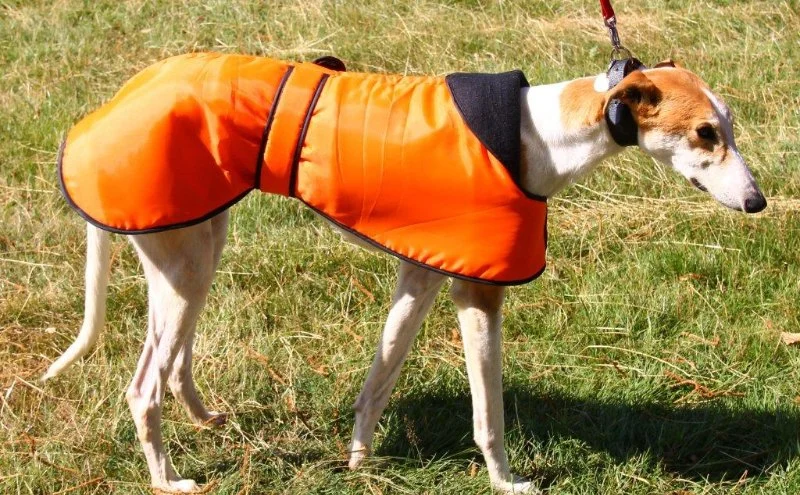
Winter weather can be challenging for many dogs, but short-haired breeds face a much greater struggle when temperatures drop. Dogs such as Greyhounds, Whippets, Italian Greyhounds, and other slim-bodied breeds often look energetic and athletic, yet their thin coats and low body fat make it difficult for them to stay warm outdoors.
Finding the best dog coats for winter is not simply about choosing a cute outfit. A properly designed coat provides insulation, reduces exposure to cold wind, and helps dogs enjoy daily walks even during colder months. For owners of Greyhounds especially, selecting the right winter clothing requires understanding their unique body shape and comfort needs.
Many new Greyhound owners are surprised when they notice their dog trembling during a short walk, refusing to step onto cold pavement, or searching for warm blankets around the house. These behaviors are often signs that the dog is feeling uncomfortable in cold conditions rather than being stubborn or lazy.
Why Greyhounds Are More Sensitive to Cold
Greyhounds were bred for speed, not for surviving harsh winter environments. Their bodies are designed with long legs, narrow waists, deep chests, and very little insulating body fat. While these features allow them to run incredibly fast, they also mean they lose body heat quickly.
Unlike breeds with thick double coats, Greyhounds have short, fine fur that offers limited protection against cold temperatures. Rain, wind, and snow can make them feel even colder because moisture removes heat from the body faster.
Signs Your Dog May Need a Winter Coat
Every dog responds differently to cold weather, but common signs that your pet may benefit from a warm coat include:
- Shivering or trembling during outdoor walks
- Lifting paws frequently from cold surfaces
- Walking slower than usual in cold weather
- Trying to return indoors quickly
- Curling tightly while resting to conserve warmth
- Seeking blankets, heaters, or warm areas more often
A winter coat does not replace responsible cold-weather care, but it can provide an extra layer of protection that helps sensitive breeds stay comfortable.
2. Why Short-Haired Breeds Need Extra Winter Protection
Short-haired dogs often appear naturally tough because many are athletic and active. However, physical strength does not always equal cold tolerance. A Greyhound can easily run several miles but still become uncomfortable during a 20-minute winter walk.
The Difference Between Activity and Warmth
Exercise creates body heat, but once a dog slows down, waits outside, or rests after activity, that warmth can disappear quickly. This is especially true for dogs with thin coats and lean bodies.
For example, a Greyhound walking briskly may seem comfortable at the beginning of a winter walk. After stopping to sniff, waiting at a crosswalk, or standing still at a dog park, the same dog may begin to feel cold.
Cold Weather Risks for Thin-Coated Dogs
Extended exposure to cold conditions can cause discomfort and increase stress on a dog's body. Owners should pay attention to weather conditions including:
- Low temperatures
- Strong wind
- Rain or wet snow
- Ice-covered sidewalks
- Long outdoor waiting periods
A high-quality coat helps create a protective barrier between your dog and the environment, especially during winter walks, outdoor adventures, and travel.
3. How to Choose the Right Size for Greyhounds
One of the biggest challenges when buying winter clothing for Greyhounds is finding a coat that matches their unusual body shape. Many standard dog jackets are designed for broader breeds and may not fit correctly.
Understanding Greyhound Measurements
The most important measurements when selecting a coat include:
1. Back Length
Measure from the base of your dog's neck to the beginning of the tail. Greyhounds usually need longer coats because of their extended back length.
2. Chest Circumference
Measure around the deepest part of the chest. Greyhounds have deep chests, so a coat must provide enough room without becoming loose.
3. Neck Size
A comfortable neckline should protect against cold air while still allowing free movement. Avoid coats that feel tight around the throat.
4. Leg and Shoulder Movement
A good winter coat should allow your Greyhound to walk, run, sit, and lie down naturally. Restricted movement can make dogs dislike wearing clothing.
At Brothers Pets, owners can explore carefully selected pet products designed around comfort, durability, and everyday use, helping them find suitable options for different dog shapes and lifestyles.
4. Different Types of Winter Coats for Dogs
Not every winter coat serves the same purpose. The best choice depends on your dog's lifestyle, climate, and activity level.
Insulated Dog Jackets
Insulated jackets are ideal for extremely cold areas. They usually contain layers designed to trap body heat while blocking cold air.
These coats are especially helpful for Greyhounds living in regions with freezing temperatures because their natural insulation is limited.
Waterproof Rain and Snow Coats
Wet weather can make dogs feel cold even when temperatures are moderate. Waterproof outer layers help keep fur dry during rain, snow, and muddy conditions.
Fleece-Lined Winter Coats
Fleece provides softness and warmth without adding excessive weight. Many short-haired dogs prefer fleece-lined coats because they feel comfortable and flexible.
Reflective Winter Gear
Winter often means darker mornings and evenings. Reflective materials improve visibility during walks, making them useful for dogs that go outside early or late in the day.
5. Important Features When Selecting a Warm Dog Coat
The best dog coats for winter combine warmth, comfort, and practical design. A beautiful coat that restricts movement or irritates your dog's skin will rarely be used.
Comfortable Interior Fabric
The inside layer should feel soft against your dog's skin. Greyhounds have delicate skin, so rough materials or stiff seams may cause irritation.
Adjustable Straps and Closures
Adjustable features allow owners to create a secure fit. This is particularly important for Greyhounds because their narrow waist can make loose coats slide around.
Lightweight Warmth
A heavy coat is not always better. Dogs need freedom of movement, especially active breeds. Modern materials can provide warmth without unnecessary bulk.
Easy Cleaning
Winter walks often involve mud, salt, and moisture. A coat that can be cleaned easily will remain comfortable and hygienic throughout the season.
6. Common Mistakes When Buying Winter Coats for Dogs
Choosing Based Only on Weight
Many owners select coats according to their dog's weight, but weight alone does not determine the correct size. Two dogs with the same weight may have completely different body shapes.
Ignoring Chest Depth
Greyhounds have deep chests compared with many breeds. A coat that fits a small dog by length may still feel uncomfortable around the chest area.
Buying Too Large for Extra Warmth
A loose coat creates gaps where cold air can enter. A properly fitted coat should sit comfortably against the body while allowing movement.
Forgetting Your Dog's Personality
Some dogs immediately accept clothing, while others need gradual introduction. Let your dog smell the coat, wear it briefly indoors, and associate it with positive experiences.
7. A Realistic Greyhound Winter Experience
Many Greyhound owners share similar stories after adopting their first retired racing dog. One common experience is realizing that a dog who seems strong and athletic can actually be very sensitive to cold.
For example, a retired Greyhound named Max began avoiding morning walks once winter temperatures dropped. His owner initially thought Max was becoming less active with age, but noticed he was excited to walk whenever the weather was warmer.
After introducing a properly fitted winter coat, Max became comfortable going outside again. The change was not because the coat changed his personality. It simply removed the discomfort caused by cold weather.
This type of situation shows why understanding breed-specific needs matters. A winter coat is not a luxury item for many short-haired breeds; it is a practical tool for improving daily comfort.
8. Finding the Right Winter Gear for Your Dog
Choosing the best dog coats for winter requires balancing warmth, fit, durability, and your dog's individual needs. Greyhounds and other short-haired breeds often need extra protection because their bodies are naturally less prepared for cold climates.
When shopping for winter clothing, focus on measurements instead of appearance alone. A coat should allow your dog to move freely while providing protection from wind, rain, and low temperatures.
Whether you have a Greyhound, Whippet, or another short-haired companion, selecting quality winter gear can make outdoor time safer and more enjoyable. Explore Brothers Pets to discover pet products designed to support comfort, health, and everyday adventures, and find the right winter solution for your four-legged family member.
 Dream Aquarium 14.0 (128 reviews)
 Cat Care Vet5.0 (1 reviews)
 Compassionate Care Cat Hospice5.0 (2 reviews)
 Leader Heights Animal Hospital: Aiello Jennifer A DVM4.0 (11 reviews)
 St. Francis Animal Clinic4.0 (140 reviews)
 Alpine Glenn Veterinary Clinic4.0 (168 reviews)
 Dog Wobbler Syndrome Symptoms in Large Breed Dogs Explained Clearly
 How to Prevent Joint Pain and Arthritis in Older Pets
 How to Choose the Right Pet Boarding Facility - A Complete Owner’s Guide
 What Every Pet Owner Should Know About Pet Adoption
 How to Manage Your Pet’s Health with Regular Monitoring Effectively
 How to Safely Clean Your Pet’s Ears and Prevent Infections: A Step-by-Step Guide