
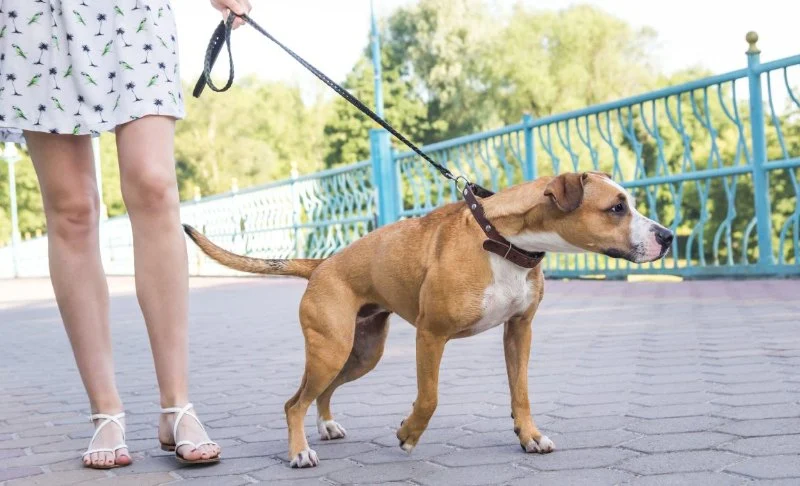
How to Leash Train a Pulling Dog — Why Pulling Happens More Than You Think
- leash-training-pulling-dog-basics - Understanding why dogs instinctively pull on walks
- no-pull-harness-training-setup - How harnesses change pulling behavior effectively
- loose-leash-walking-control - Teaching calm walking habits step by step
- dog-behavior-reinforcement - Fixing excitement-driven pulling with consistency
- real-life-dog-training-strategies - Practical routines for everyday walks
If you’ve ever been dragged down the sidewalk by an excited dog, you already understand the challenge behind leash training a pulling dog. It’s not just a training issue—it’s communication. Dogs naturally explore the world through movement, and the leash often feels like a resistance test rather than a connection tool.
The good news is that pulling is not a permanent behavior. With the right structure, tools like a no-pull harness, and consistent loose leash walking tips, even strong and energetic dogs can learn to walk calmly beside you.
Why Dogs Pull on the Leash in the First Place
Before fixing the behavior, it helps to understand it. Dogs don’t pull because they are disobedient. They pull because the world outside is extremely stimulating—new smells, sounds, other animals, and movement all compete for attention.
A trainer once described it perfectly: “To a dog, a walk is like scrolling through social media at full speed.” Every step forward is a new notification worth investigating.
Excitement vs. Habitual Pulling
Not all pulling is the same. Some dogs pull out of pure excitement, especially puppies or newly adopted dogs. Others develop it as a habit because pulling has historically worked—they pulled, and they still got where they wanted to go.
Breed Influence and Energy Levels
High-energy breeds such as retrievers, huskies, and shepherds are more likely to develop pulling behaviors. However, breed alone doesn’t determine success in training—consistency does.
How No-Pull Harness Training Changes the Game
A no-pull harness is one of the most effective tools for leash training a pulling dog because it redirects force instead of allowing forward momentum. When a dog pulls, the harness gently turns or slows the body rather than encouraging forward speed.
Unlike traditional collars that can strain the neck, a properly fitted harness distributes pressure across the chest and shoulders, making walks safer and more controlled.
Front-Clip vs. Back-Clip Harnesses
Front-clip harnesses are especially useful for training because they redirect the dog toward you when pulling begins. Back-clip harnesses, while comfortable, are better suited for already trained dogs.
Many professional trainers recommend starting with a front-clip harness during early training stages, then transitioning once loose leash habits are established.
Real Example: A Reactive Rescue Dog
A rescue dog named Max, adopted in Colorado, had extreme pulling behavior whenever he saw other dogs. His owner switched to a no-pull harness training method combined with short, structured walks. Within three weeks, Max went from uncontrollable lunging to walking calmly in busy parks.
The key wasn’t just equipment—it was timing, patience, and repetition.
Loose Leash Walking Tips That Actually Work in Real Life
Loose leash walking is not about keeping the leash perfectly slack at all times—it’s about teaching the dog that pulling does not lead to progress.
Stop-and-Go Method
When the dog pulls, stop moving immediately. The moment the leash relaxes, continue walking. This teaches a simple but powerful lesson: tension stops movement, calmness resumes it.
Direction Change Technique
Instead of following a pulling dog, calmly change direction. This keeps the dog mentally engaged and prevents them from locking into a forward-pulling pattern.
Reward-Based Reinforcement
Rewarding eye contact and calm walking reinforces the behavior you want. Treats, praise, or even a brief pause of attention can be effective.
Common Mistakes in Leash Training a Pulling Dog
Many owners unintentionally reinforce pulling behavior without realizing it. One of the most common mistakes is allowing the dog to move forward while the leash is tight. Even a few seconds of “rewarded pulling” can strengthen the habit.
Another issue is inconsistent training. Dogs thrive on repetition. If pulling is corrected one day but ignored the next, confusion slows progress significantly.
Overusing Force Instead of Guidance
Leash training is not about physical strength contests. Pulling harder against a strong dog often escalates tension instead of solving it.
Building a Daily Training Routine That Sticks
Short, consistent sessions are more effective than long exhausting walks. Most dogs learn best in 10–15 minute focused training intervals rather than hour-long chaotic walks.
Start in low-distraction environments like your backyard or quiet streets before moving to busier areas. Gradual exposure builds confidence and control.
Combining Tools and Technique
The most successful leash training programs combine equipment like a no-pull harness with structured methods such as stop-and-go walking and reward-based reinforcement.
For owners looking for guided gear recommendations and training tools, platforms like Brothers Pets offer curated options designed specifically for leash training and behavior correction.
Real-Life Transformation: From Pulling Chaos to Calm Walks
A well-documented case from a dog training community involved a Labrador that pulled so hard it caused shoulder strain for the owner. After switching to consistent loose leash walking tips and a structured harness program, the dog’s behavior changed dramatically within a month.
The owner reported something unexpected: walks became enjoyable instead of stressful. That emotional shift often matters just as much as behavioral change.
Why Consistency Matters More Than Perfection
Dog training is not about getting everything right immediately. It’s about reinforcing patterns over time. Even small improvements—like a few seconds of calm walking—add up significantly when practiced daily.
Dogs learn through repetition and clarity. When walking rules stay consistent, pulling naturally decreases because the behavior stops being rewarded.






 Harrisonburg Animal Hospital4.0 (193 reviews)
 Shelton Veterinary Care4.0 (329 reviews)
 Vetco Vaccination Clinic4.0 (7 reviews)
 Walter P. Dzien, DVM4.0 (36 reviews)
 Bella Vista Equine Veterinary Services.4.0 (57 reviews)
 Petco4.0 (2277 reviews)
 How to Choose the Right Pet Carrier for Safe Travel
 What Every Pet Owner Should Know About Pet Behavior – A Practical Guide
 How to Manage Your Pet's Stress and Anxiety Levels: Effective Tips and Strategies
 How to Deal with Flea Infestations: A Comprehensive Guide
 How to Safely Handle Pet Emergencies: A First-Aid Guide
 How to Choose the Best Dog Breed for Your Family’s Lifestyle