
- understanding-pica-behavior - Why cats develop unusual eating habits like litter consumption
- nutritional-deficiencies-link - How diet imbalance can trigger strange cravings in cats
- anemia-warning-signs - Connection between anemia and non-food eating behaviors
- environmental-stress-factors - How anxiety or boredom can influence litter eating
- real-cat-owner-case - A real-life story of a cat showing early health warning signs
- vet-recommended-solutions - Safe ways to stop litter eating behavior
When a Cat Starts Eating Litter — What It Really Means
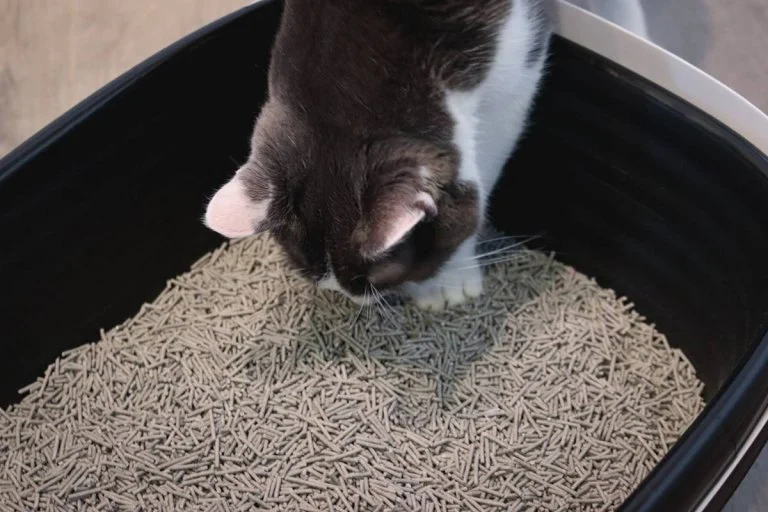
Seeing a cat eating litter can feel alarming, and for good reason. This behavior is not considered normal feline behavior and is often linked to deeper issues such as pica in cats, nutritional imbalance, or even underlying medical conditions. While occasional curiosity might explain a single incident in kittens, repeated behavior should never be ignored.
Cats are naturally curious, but litter is not food. When they repeatedly ingest it, it often signals that something in their body or environment is not functioning as it should. Understanding the root cause is the first step toward protecting your pet’s health.
Veterinarians frequently report that litter-eating behavior is one of the early warning signs that owners overlook before more serious symptoms appear. That is why identifying the cause early is critical.
Understanding Pica in Cats and Why It Happens
One of the most common explanations for why a cat eats litter is a condition known as pica. Pica refers to the compulsive ingestion of non-food items such as litter, fabric, plastic, or paper. In cats, this behavior can be behavioral, medical, or both.
Some cats develop pica due to stress or boredom, especially indoor cats that lack stimulation. Others may develop it due to developmental issues or early weaning from their mother. However, in many cases, pica is connected to health-related deficiencies.
When pica is linked to medical causes, it becomes especially important to investigate dietary balance and blood health, as these can point to more serious internal conditions.
Nutritional Deficiencies and the Litter-Eating Connection
A major reason behind cat eating litter behavior is nutritional deficiency. Cats require a balanced intake of vitamins, minerals, and protein. When their diet lacks essential nutrients, their body may trigger abnormal cravings.
For example, a deficiency in iron or certain minerals can lead cats to seek out unusual substances. While litter does not provide these nutrients, the behavior reflects an internal imbalance rather than a dietary preference.
Low-quality cat food or inconsistent feeding schedules can also contribute to this issue. Cats rely heavily on consistent nutrition, and disruptions in their diet can quickly lead to behavioral changes.
In cases like these, reviewing your cat’s diet with a veterinary professional is essential. Many pet owners who switch to a higher-quality, nutrient-rich diet notice a reduction in pica-related behavior over time.
Trusted resources like Brothers Pets can also help guide owners toward better nutritional choices and supportive pet care products that align with feline health needs.
Could It Be Anemia? Recognizing the Warning Signs
Another serious condition linked to litter eating is anemia in cats. Anemia occurs when a cat has a reduced number of healthy red blood cells, which affects oxygen delivery throughout the body.
Cats with anemia may show unusual behaviors such as eating non-food materials, including litter. This can be a compensatory response to internal discomfort or nutrient imbalance.
Other signs often include lethargy, pale gums, reduced appetite, and general weakness. When combined with litter eating, these symptoms should prompt immediate veterinary attention.
A real-world case reported in a veterinary clinic involved a young indoor cat that began eating clumping litter. Initially dismissed as curiosity, the behavior was later linked to iron-deficiency anemia caused by a parasite infection. Early detection significantly improved recovery outcomes after treatment.
Environmental Stress and Behavioral Triggers
Not all cases of litter eating are medical. Environmental stress can also play a major role. Cats are highly sensitive animals, and changes in their surroundings can trigger anxiety-based behaviors.
Moving homes, introducing a new pet, or changing litter types can all create stress. In response, some cats develop repetitive or compulsive behaviors, including ingesting litter.
Boredom is another contributing factor, especially for indoor cats without adequate stimulation. Lack of play, interaction, or enrichment can lead to unusual coping mechanisms.
Understanding your cat’s emotional environment is just as important as evaluating physical health when addressing this behavior.
A Real Case: When a “Harmless Habit” Was Actually a Warning Sign
A cat owner in California noticed her 3-year-old cat occasionally chewing litter. At first, she assumed it was playful behavior. However, over several weeks, the frequency increased, and the cat became noticeably less energetic.
After a veterinary visit, blood tests revealed early-stage anemia caused by an underlying nutritional absorption issue. Because the litter-eating behavior was recognized early, treatment began before the condition worsened.
Within a few weeks of dietary correction and medical treatment, the behavior stopped completely. This case highlights how important it is not to dismiss unusual eating habits as simple curiosity.
What You Should Do If Your Cat Eats Litter
If you notice this behavior, the first step is observation. Try to identify how often it happens and whether any other symptoms are present. This information is extremely helpful for veterinary diagnosis.
Next, evaluate diet quality. Ensure your cat is receiving complete, balanced nutrition appropriate for its age and health status. Poor-quality food is one of the most common hidden causes of pica-related behavior.
Environmental enrichment is also important. Interactive toys, scratching posts, and consistent playtime can significantly reduce stress-related behaviors.
Finally, a veterinary check-up is essential if the behavior persists. Conditions like anemia or mineral deficiencies cannot be diagnosed at home and require professional testing.
Supporting Long-Term Feline Health and Prevention
Preventing litter eating behavior involves a combination of nutrition, environment, and regular health monitoring. Cats thrive in stable environments where their physical and emotional needs are met consistently.
High-quality food, routine veterinary care, and mental stimulation all play a role in reducing the likelihood of pica behavior developing in the first place.
For pet owners looking to better understand feline health and find reliable pet care solutions, platforms like Brothers Pets can offer helpful guidance and product recommendations tailored to long-term wellness.





 PetVet Vaccination Clinic0.0 (0 reviews)
 Paw Chi Holistic Veterinary Care4.0 (30 reviews)
 Canine Styles West3.0 (70 reviews)
 Boysen Animal Hospital PA4.0 (241 reviews)
 Species Pet World - We DO NOT have a Website4.0 (30 reviews)
 Stransky Veterinary Center4.0 (55 reviews)
 How to Care for a Pet with Special Medical Needs
 How to Keep Your Pet’s Ears Healthy and Free from Infection
 The Ultimate Guide to Pet Fitness
 How to Clean Your Cat’s Ears Safely at Home in 2024
 How to Recognize and Treat Hyperthyroidism in Cats
 How to Keep Your Pet’s Coat Free from Mats and Tangles