
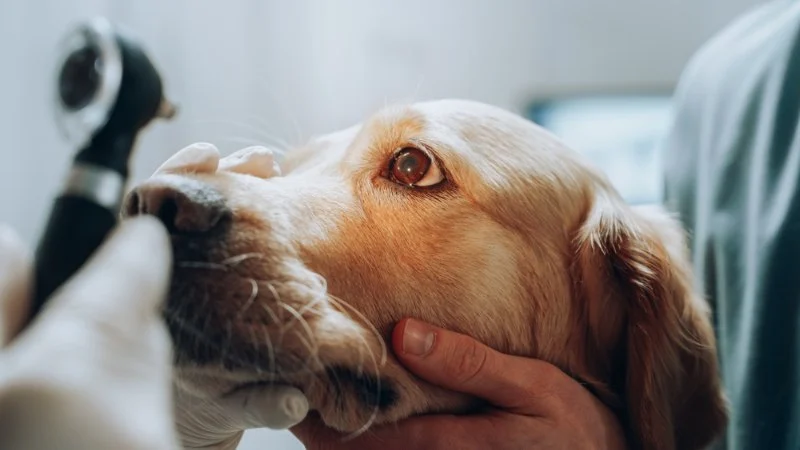
- dog-liver-disease-symptoms-overview - understanding early warning signs of liver problems
- jaundice-vomiting-seizures - key symptoms that should never be ignored
- real-life-pet-case-study - how early detection changed a dog’s outcome
- diagnosis-treatment-care - what vets typically do and what owners can expect
- prevention-and-home-monitoring - daily habits that protect canine liver health
When Subtle Changes Become Serious Warnings in Your Dog’s Health
Many dog owners assume liver disease shows up suddenly, but in reality, the earliest changes are often subtle enough to be missed in everyday life.What starts as mild fatigue or a slightly reduced appetite can gradually evolve into more serious dog liver disease symptoms such as jaundice, persistent vomiting, and even neurological events like seizures.
The challenge is that dogs are naturally good at hiding discomfort. A dog might still wag its tail, still greet you at the door, and still appear “mostly fine” while its liver function is already declining. This is why understanding early warning signs is not just helpful—it can be life-changing.
Understanding Dog Liver Disease Symptoms in Real-Life Context
Why the liver matters more than most owners realize
The liver is responsible for detoxifying the body, processing nutrients, and supporting digestion. When it begins to fail, toxins build up quickly and affect multiple systems at once. This is why symptoms often appear across different areas of behavior and physical health rather than in a single obvious sign.
Common dog liver disease symptoms include loss of appetite, weight loss, excessive thirst, and lethargy. However, these early signs are often mistaken for stress, aging, or minor stomach issues.
The gradual progression most owners miss
A typical progression might begin with mild digestive upset, followed by occasional vomiting and subtle behavioral changes. Over time, toxins accumulate and more serious symptoms appear, including jaundice in dogs, where the skin, gums, or eyes take on a yellowish tint.
At this stage, the condition is already advanced and requires immediate veterinary attention.
Jaundice, Vomiting, and Seizures: The Critical Warning Trio
Jaundice in dogs and what it really means
Jaundice is one of the most visible dog liver disease symptoms. It occurs when bilirubin builds up in the bloodstream due to impaired liver function. Owners may notice yellowing in the whites of the eyes or gums.
One pet owner shared how their Labrador initially seemed “just a bit tired after walks,” until they noticed a faint yellow tint in natural sunlight. That small observation led to an emergency vet visit that likely saved the dog’s life.
Vomiting that becomes more than just stomach upset
Vomiting is common in dogs, but when it becomes frequent, unexplained, or paired with appetite loss, it may signal liver distress. Unlike simple dietary issues, liver-related vomiting often persists even when food is changed or removed temporarily.
This is one of the most commonly misinterpreted symptoms, leading many owners to delay veterinary care.
Seizure warnings and neurological impact
In severe cases, toxins affect the brain, leading to disorientation, tremors, or seizures. These dog seizures warning signs indicate that the liver is no longer effectively filtering harmful substances.
Seizures are a medical emergency and require immediate intervention. Even a single episode should never be ignored.
A Real Case: When Early Recognition Changed Everything
A small rescue dog named Milo began showing subtle behavioral changes—sleeping more, eating less, and occasionally vomiting after meals. His owner initially assumed it was stress from a recent move.
A week later, Milo developed mild jaundice in his eyes. That moment triggered a vet visit where blood tests revealed early-stage liver disease. Because it was caught early, dietary changes and medication stabilized his condition.
This case highlights how recognizing early dog liver disease symptoms can dramatically improve outcomes. Waiting even a few more days could have resulted in irreversible damage.
What Veterinarians Typically Do During Diagnosis
Blood testing and liver enzyme evaluation
Vets usually begin with blood work to evaluate liver enzymes and bilirubin levels. These indicators help determine how well the liver is functioning and whether inflammation or damage is present.
Imaging and deeper investigation
Ultrasounds or X-rays may be used to check for tumors, blockages, or structural abnormalities. In more complex cases, a liver biopsy may be recommended.
Treatment planning based on severity
Treatment varies widely depending on severity. Some dogs respond well to dietary changes and medication, while others require more intensive care and long-term monitoring.
Everyday Prevention and Early Detection Habits
Diet consistency and toxin avoidance
A stable, high-quality diet supports liver health. Sudden food changes or exposure to toxins like certain medications or chemicals can increase risk.
Monitoring behavior changes closely
Small changes in energy, appetite, or bathroom habits should be tracked rather than dismissed. Many owners find that keeping a simple weekly log helps identify patterns early.
Routine veterinary checkups
Annual or bi-annual checkups allow vets to detect abnormalities before symptoms become visible at home.
For owners looking to better understand canine wellness tools, nutrition support, and preventive care options, platforms like Brothers Pets can provide helpful resources tailored to maintaining long-term pet health.
When Immediate Action Becomes Essential
If your dog shows any combination of jaundice, persistent vomiting, or seizure activity, waiting is not an option. These dog liver disease symptoms indicate advanced stress on the body and require urgent medical evaluation.
The difference between early intervention and delayed action can determine not only treatment complexity but also long-term quality of life.
Understanding these warning signs empowers owners to act quickly, confidently, and effectively when their pet needs help most.




 Farnsworth Alan DVM4.0 (24 reviews)
 Colbert Animal Hospital4.0 (154 reviews)
 Bartonville Veterinary Center4.0 (144 reviews)
 The Fish Factory4.0 (577 reviews)
 Veterinary Medicine & Surgery4.0 (197 reviews)
 Vetco Vaccination Clinic4.0 (8 reviews)
 How to Help Your Pet Cope with New Stressful Situations – Tips for Easing Anxiety
 Top 13 Tips for Pet Grooming | Keep Your Pet Healthy, Happy, and Well-Groomed
 Top 5 Tips for Pet Behavior: Improve Training and Communication
 Top 10 Tips for Preventing Pet Illness Every Owner Should Know
 How to Prevent and Treat Fungal Infections in Pets
 Effective Tips for Preventing Hairballs in Long-Haired Cats – Keep Your Cat Healthy