
- understanding-prostate-health - What the prostate does in male dogs and why it matters
- early-warning-signs - Subtle symptoms of prostatic disease in intact males
- difficulty-pooping-explained - Why enlarged prostate causes bowel issues
- diagnosis-and-vet-process - How veterinarians confirm the condition
- real-life-case-study - A story of a dog with untreated prostate issues
- care-and-prevention - Management, treatment, and long-term outlook
Understanding Prostatic Health in Male Dogs and Why It Matters
When discussing dog prostatic disease, many pet owners are surprised to learn that male dogs actually have a prostate gland similar in function to humans. This small gland sits just below the bladder and surrounds the urethra, playing a role in producing seminal fluid. In intact (unneutered) males, this gland is influenced by hormones, especially testosterone.
As dogs age, the prostate can enlarge naturally or develop abnormal conditions such as inflammation, infection, or benign prostatic hyperplasia. These changes may seem subtle at first but can significantly affect urinary and bowel function.
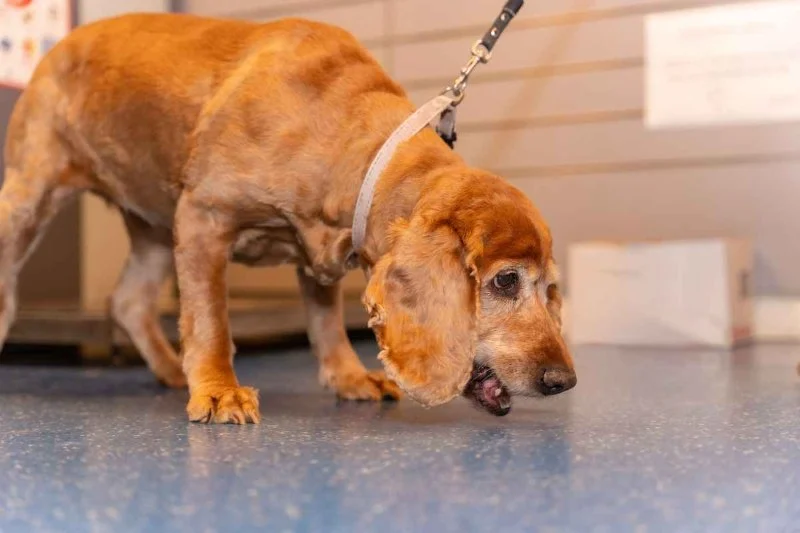
One of the most overlooked symptoms is difficulty pooping male dog behavior, which often confuses owners because it appears to be a digestive issue rather than a reproductive system problem.
Early Warning Signs That Owners Often Miss
Canine prostate symptoms rarely appear overnight. Instead, they develop gradually, making them easy to ignore in the early stages.
Common early signs include:
• Straining during bowel movements without obvious constipation• Thin or ribbon-like stool shape• Occasional blood in urine or discharge from the penis• Increased time spent squatting without producing stool
Some dogs may also show subtle behavioral changes. They might appear uncomfortable when sitting, walk stiffly in the hind legs, or lick their rear area more frequently.
These symptoms often lead owners to suspect digestive issues first, delaying proper diagnosis of enlarged prostate in dogs.
At veterinary clinics like Brothers Pets, these early signs are taken seriously because early intervention can prevent progression into more painful or complicated conditions.
Why Prostate Enlargement Leads to Difficulty Pooping
One of the most confusing symptoms for pet owners is how a prostate issue can affect bowel movements. The explanation lies in anatomy.
As the prostate enlarges, it presses against the rectum, the section of the digestive tract responsible for passing stool. This pressure narrows the passageway, making it physically harder for feces to move through normally.
This is why a dog with prostate disease may strain repeatedly without producing normal stool. It is not always a digestive blockage—it can be a mechanical restriction caused by swelling in the surrounding gland.
In more advanced cases, the dog may appear to be constipated but actually has normal stool consistency that simply cannot pass easily due to compression.
How Veterinarians Diagnose Prostatic Disease
When a dog is brought in with suspected prostate problems, veterinarians begin with a physical examination, often including a rectal palpation to feel for enlargement or irregular shape.
Imaging tools such as ultrasound or X-rays may be used to confirm size, structure, and potential complications. Blood tests or urine analysis can also help detect infection or inflammation.
The diagnostic process is important because symptoms like straining or difficulty pooping can overlap with other conditions such as gastrointestinal disease or spinal issues.
Accurate diagnosis ensures that treatment targets the true cause rather than masking symptoms temporarily.
Real-Life Case: When “Constipation” Turned Out to Be Prostate Disease
A middle-aged Labrador named Max was brought to a veterinary clinic after his owner noticed repeated straining during bowel movements. At first, the owner assumed it was dietary constipation and increased fiber intake.
However, the issue continued for weeks. Max began walking stiffly and seemed uncomfortable when sitting. A visit to the veterinarian revealed that his prostate was significantly enlarged due to hormonal influence.
Once diagnosed, Max was treated with hormone management and supportive care. Within weeks, his bowel movements returned to normal, and his discomfort decreased noticeably.
This case highlights how dog prostatic disease can easily be mistaken for digestive problems, delaying proper treatment.
Treatment Options and Long-Term Management
Treatment for prostatic disease depends on the underlying cause. In intact male dogs, neutering is often recommended as it reduces hormone-driven enlargement over time.
For infections, antibiotics may be prescribed, while anti-inflammatory medications help reduce swelling and discomfort. In chronic cases, long-term management may be necessary to control symptoms.
Diet and lifestyle adjustments can also support recovery. Regular exercise helps maintain healthy bowel function and reduces secondary complications caused by reduced mobility.
Veterinarians often emphasize follow-up care, as prostate conditions can recur or progress if not properly managed.
When to Be Concerned About Your Dog’s Symptoms
Not every episode of straining means a serious condition, but persistent difficulty pooping in male dogs should always be taken seriously—especially in intact males over middle age.
Warning signs that require veterinary attention include:
• Repeated unsuccessful attempts to defecate• Visible discomfort during sitting or walking• Changes in stool shape or consistency• Any urinary abnormalities combined with bowel issues
Early evaluation can prevent complications and improve long-term outcomes significantly.
Why Early Awareness Makes a Big Difference
Understanding the connection between prostate health and bowel function allows owners to respond faster when something seems off. Many cases of advanced prostate disease could have been managed earlier if subtle symptoms had been recognized sooner.
Educational platforms and veterinary support services like Brothers Pets play an important role in helping owners identify these early warning signs and seek timely care.
Being observant of small behavioral changes, especially in intact male dogs, is one of the most effective ways to protect long-term health and comfort.



 Southern Hills Veterinary Hospital4.0 (123 reviews)
 Hopewell Animal Hospital4.0 (284 reviews)
 Winterville Animal Clinic4.0 (447 reviews)
 Downtown Veterinary Associates4.0 (260 reviews)
 Dr. Ruby Schaupp4.0 (2 reviews)
 West Point Vet Clinic4.0 (46 reviews)
 Puppy Socialization: How to Raise a Confident and Friendly Dog with Proven Tips
 The Role of Mental Stimulation in Pet Health: Why It’s Crucial for Your Pet’s Well-Being
 Expert Advice on Pet Fitness for American Families
 How to Manage Pet Health with the Right Supplements | Brothers Pets
 Best Methods for Crate Training a Puppy Successfully: Tips and Techniques
 How to Prevent Tick-Borne Diseases in Cats