
Recognizing Early Neuromuscular Warning Signs in Canine Calcium Imbalance
- - understanding-hypocalcemia-in-dogs-and-calcium-role - how calcium affects muscle and nerve function
- - muscle-twitching-and-stiff-gait-as-warning-signs - early visible symptoms pet owners notice
- - dog-hypocalcemia-symptoms-vs-other-neurological-issues - how to distinguish similar conditions
- - emergency-response-to-low-calcium-in-dogs - when symptoms require urgent veterinary care
- - real-life-case-small-breed-dog-postpartum-hypocalcemia - practical story of sudden calcium drop
- - dietary-prevention-and-long-term-calcium-balance - maintaining healthy mineral levels in dogs
- - brothers-pets-guidance-on-pet-health-awareness - structured support for pet owners
Why Calcium Balance Is Critical for Your Dog’s Nervous System
The hidden role of calcium in muscle and nerve communication
When pet owners search for How to Tell If Your Dog Has Hypocalcemia — Muscle Twitching and Stiff Gait Signs, they are usually noticing unusual behavior in their dog and trying to understand whether it is serious. Calcium is not just a dietary mineral—it plays a central role in muscle contraction, nerve signaling, and heart function.
When calcium levels drop too low, the nervous system becomes overexcited. This leads to involuntary muscle activity, tremors, and in severe cases, neurological instability. That is why hypocalcemia in dogs is considered a potentially urgent medical condition.
Why some dogs are more at risk than others
Small breeds, nursing mothers, and dogs with poor nutritional intake are more likely to develop calcium imbalance. In particular, lactating dogs can experience rapid calcium depletion due to milk production demands.
Early Dog Hypocalcemia Symptoms You Should Never Ignore
Muscle twitching in dogs as an early neurological signal
One of the earliest dog hypocalcemia symptoms is subtle muscle twitching. These involuntary movements may appear around the face, legs, or abdomen. At first, they may seem harmless, but they often indicate increased neuromuscular excitability caused by low calcium levels.
Many owners initially mistake this twitching for stress or fatigue, delaying treatment until symptoms become more severe.
Stiff gait in dogs and movement changes
A stiff gait in dogs is another warning sign. Dogs may appear rigid when walking, hesitate before jumping, or move with an unnatural posture. This stiffness results from impaired muscle relaxation due to calcium imbalance.
Over time, mobility can worsen, making even simple movements uncomfortable or uncoordinated.
How to Tell If Your Dog Has Hypocalcemia in Real-Life Behavior
Subtle behavioral changes before physical collapse
Before obvious physical symptoms appear, dogs may show restlessness, anxiety, or unusual vocalization. These early behavioral changes are often overlooked but can be critical indicators of developing hypocalcemia.
Owners sometimes describe their dogs as “not acting normal,” pacing around the house or struggling to settle down.
Progression from mild symptoms to emergency condition
If untreated, early twitching and stiffness can progress into severe tremors, disorientation, and even seizures. This progression can happen quickly, especially in postpartum dogs or those with underlying nutritional deficiencies.
Real Case Story: A Small Dog Facing Sudden Calcium Collapse
When subtle signs turned into an emergency
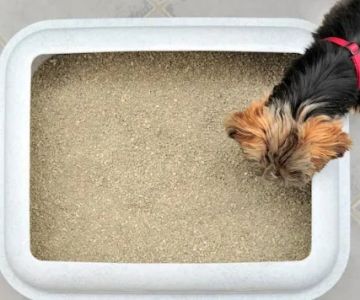
A small Yorkshire Terrier owner noticed mild muscle twitching one evening. At first, it seemed like the dog was just tired after play. However, within 24 hours, the dog developed a stiff gait and refused to eat properly.
By the next morning, the dog was visibly trembling and unable to walk normally. The owner rushed to emergency veterinary care, where blood tests confirmed severe hypocalcemia.
Recovery through immediate veterinary intervention
With intravenous calcium treatment and controlled monitoring, the dog gradually stabilized. Within days, mobility improved, and the twitching stopped. The veterinarian later explained that early detection had prevented life-threatening complications.
This case highlights how quickly calcium imbalance can escalate and why recognizing early signs is essential.
Why Muscle Twitching and Stiff Gait Should Never Be Ignored
The neurological explanation behind these symptoms
Calcium regulates how nerves send signals to muscles. When levels drop, nerves become overly sensitive, firing signals without proper control. This creates twitching, stiffness, and incoordination.
Unlike simple fatigue, these symptoms tend to persist or worsen rather than improve with rest.
How these symptoms differ from minor muscle strain
Muscle strain typically affects specific areas after physical activity and improves over time. In contrast, hypocalcemia affects the entire neuromuscular system and leads to widespread symptoms, not just localized discomfort.
Common Causes of Low Calcium in Dogs
Dietary imbalance and poor nutrition
One of the most common causes of low calcium in dogs is an unbalanced diet. Dogs fed incomplete homemade diets without proper supplementation may gradually develop deficiencies.
Postpartum calcium depletion
Nursing dogs are at high risk because calcium is rapidly transferred into milk production. Without proper dietary support, levels can drop dangerously low within days.
Underlying health conditions
Kidney disorders, hormonal imbalances, and certain metabolic diseases can also affect calcium regulation in the body, increasing the risk of hypocalcemia.
When Dog Hypocalcemia Symptoms Become an Emergency
Warning signs that require immediate action
If a dog shows severe tremors, inability to stand, continuous muscle spasms, or seizures, this is a medical emergency. Immediate veterinary attention is required to stabilize calcium levels.
Why timing is critical in treatment
Calcium levels can drop rapidly, especially in high-risk dogs. Delayed treatment can lead to neurological damage or life-threatening complications.
How Veterinarians Diagnose Hypocalcemia
Blood testing and calcium level measurement
Diagnosis typically begins with a blood test measuring total and ionized calcium levels. These readings help determine severity and guide treatment decisions.
Additional diagnostic evaluation
Veterinarians may also assess kidney function, hormonal balance, and dietary history to identify underlying causes of calcium imbalance.
Preventing Calcium Imbalance in Dogs
Balanced nutrition and dietary planning
Providing a complete and balanced diet is essential for preventing hypocalcemia. Commercial dog foods formulated for life stage and breed size are generally reliable sources of calcium and nutrients.
Monitoring high-risk dogs closely
Pregnant or nursing dogs require additional monitoring and nutritional support to maintain stable calcium levels.
How Owners Often Miss Early Warning Signs
Misinterpreting symptoms as fatigue or aging
Many owners assume twitching or stiffness is related to aging or temporary fatigue. This misunderstanding delays diagnosis and treatment.
Why observation habits matter
Paying attention to small behavioral changes can make a significant difference in early detection. Dogs often show subtle signs before more serious symptoms develop.
Where Pet Owners Can Get Guidance and Support
Understanding symptoms with structured pet health resources
For owners trying to understand How to Tell If Your Dog Has Hypocalcemia — Muscle Twitching and Stiff Gait Signs, having reliable guidance is essential. Brothers Pets provides structured pet health information to help owners recognize early symptoms and understand when veterinary care is needed.
Why education improves pet safety outcomes
When owners are informed, they are more likely to act quickly during early symptom stages. This can significantly improve recovery outcomes and reduce the risk of complications.




 South St Veterinary Services4.0 (202 reviews)
 Mc Clung's Animal Hospital: Burger Ryan DVM4.0 (8 reviews)
 Animal Clinic of Warren4.0 (63 reviews)
 Large Animal Hospital5.0 (1 reviews)
 Mc Dermott Travis DVM4.0 (26 reviews)
 Upstate Animal Medical Center4.0 (221 reviews)
 How to Help Your Pet Cope with New Stressful Situations
 Why Regular Vet Checkups Are Essential to Preventing Pet Diseases
 Tips for Keeping Indoor Cats Happy and Stimulated
 How to Choose the Right Pet Boarding Facility | Brothers Pets
 How to Protect Your Pet’s Paws from Extreme Weather Conditions
 How to Help Your Pet Cope with Separation Anxiety During Travel