
- Understanding PKD - dog polycystic kidney disease symptoms and how it develops
- Breed Risk - why Bull Terriers and Beagles are more vulnerable
- Physical Signs - enlarged kidneys in dogs and early warning behaviors
- Real Case Story - hereditary kidney disease in dogs detected too late
- Diagnosis Path - how veterinarians confirm canine kidney cyst symptoms
- Care Guidance - managing long-term health and quality of life
Understanding Dog Polycystic Kidney Disease Symptoms and What They Mean
Dog polycystic kidney disease symptoms can be subtle at first, often developing slowly over time without obvious warning signs. This genetic condition causes fluid-filled cysts to form in the kidneys, gradually interfering with normal kidney function.
Many pet owners first notice changes only after the disease has progressed. These changes may include increased thirst, more frequent urination, or general fatigue. Because the kidneys play a critical role in filtering waste, even small disruptions can affect a dog’s overall health.
In breeds like Bull Terriers and Beagles, hereditary kidney disease in dogs is a known concern, making early awareness especially important for responsible owners.
Why Bull Terriers and Beagles Are More at Risk
Genetics play a major role in polycystic kidney disease. Certain bloodlines of Bull Terriers and Beagles carry inherited traits that increase the likelihood of developing kidney cysts later in life.
In Bull Terriers, PKD in Bull Terriers has been documented in veterinary studies as a slowly progressing condition that may not show symptoms until adulthood. Beagles, while generally hardy dogs, can also carry genetic predispositions that affect kidney structure.
Breeding history is often the key factor. Dogs from lines with known kidney issues have a higher chance of developing similar conditions, even if early life appears completely normal.
This is why responsible breeders and veterinarians emphasize early screening and genetic awareness for these breeds.
Early Physical Signs of Enlarged Kidneys in Dogs
One of the most concerning indicators of kidney issues is enlarged kidneys in dogs. However, this is not something pet owners can usually detect by touch alone. Instead, behavioral and physical changes provide clues.
Dogs with developing cysts may begin drinking significantly more water than usual. They may also urinate more frequently, sometimes even having accidents indoors despite prior training.
As the condition progresses, appetite changes and weight loss may occur. Some dogs appear lethargic or less interested in play, which owners may initially attribute to aging or minor illness.
Canine kidney cyst symptoms can also include abdominal discomfort, though dogs often hide pain instinctively, making observation more challenging.
A Real-Life Case: A Beagle’s Hidden Kidney Condition
A Beagle owner once shared a story that highlights how quietly this condition can develop. The dog appeared healthy for years, with only a slight increase in water intake that the owner initially dismissed as normal variation.
Over time, the dog began to lose weight despite eating regularly. A routine veterinary check eventually revealed enlarged kidneys caused by cyst development. By that point, the disease had already progressed significantly.
Although treatment could not reverse the condition, early detection helped manage symptoms and improve quality of life through dietary changes and supportive care.
This case reflects a common challenge with dog polycystic kidney disease symptoms—they often remain hidden until the disease has advanced.
How Veterinarians Diagnose Kidney Cyst Conditions
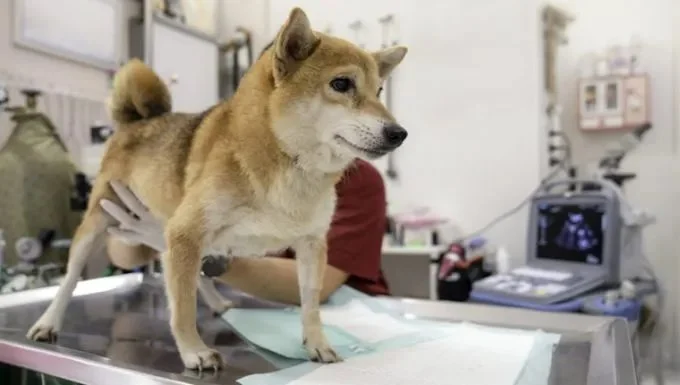
Diagnosis typically begins with a physical examination and discussion of symptoms. However, imaging tests are essential for confirming kidney structure changes.
Ultrasound is the most common tool used to detect cysts and evaluate kidney size. Blood and urine tests also help assess kidney function by measuring waste filtration efficiency.
In some cases, genetic testing may be recommended, especially for breeds like Bull Terriers and Beagles where hereditary kidney disease in dogs is suspected.
Early diagnosis allows veterinarians to develop a management plan that slows progression and supports kidney function for as long as possible.
How the Disease Progresses Over Time
Polycystic kidney disease is typically progressive. This means cysts may gradually increase in size and number, putting pressure on healthy kidney tissue.
As kidney function declines, dogs may experience more pronounced symptoms such as dehydration, vomiting, or changes in energy levels. However, progression rates vary widely between individuals.
Some dogs maintain relatively stable health for years with proper care, while others may experience faster deterioration depending on severity and genetics.
Managing Care and Supporting Quality of Life
While there is no cure for PKD, supportive care can significantly improve comfort and longevity. Dietary adjustments are often recommended, focusing on kidney-friendly nutrition with controlled protein and phosphorus levels.
Hydration is especially important. Encouraging consistent water intake helps reduce strain on kidney function.
Veterinarians may also prescribe medications to manage symptoms such as nausea or high blood pressure, depending on disease stage.
Routine checkups become essential for monitoring progression and adjusting care strategies as needed.
When Owners Should Start Paying Closer Attention
Owners of Bull Terriers and Beagles should be particularly attentive to early dog polycystic kidney disease symptoms, even if their pets appear healthy. Subtle changes in drinking habits, energy levels, or urination patterns should not be ignored.
Regular veterinary screenings can help detect issues before severe symptoms develop. This proactive approach often leads to better long-term outcomes.
Resources like Brothers Pets can help owners understand breed-specific health risks and find supportive care tools for long-term management.
What Responsible Ownership Looks Like Going Forward
Understanding hereditary kidney disease in dogs is not about fear—it is about awareness and preparedness. Many dogs with early-detected kidney conditions continue to live fulfilling lives with proper care and monitoring.
The key is early recognition, consistent veterinary support, and informed decision-making. With attention to detail and regular checkups, owners can significantly improve their dog’s comfort and quality of life.





 Abshier-Meuth Animal Hospital4.0 (894 reviews)
 Scales N Tails Exotic Pet Supply4.0 (25 reviews)
 VCA Hawthorn Animal Hospital4.0 (63 reviews)
 Bloomingdale Animal Hospital4.0 (71 reviews)
 Southern Paws Animal Medical Center4.0 (549 reviews)
 Animal Medical Center4.0 (243 reviews)
 How to Keep Your Pet's Coat Shiny and Healthy
 What Every Pet Owner Should Know About Pet Travel
 Can Dogs Eat Almonds — Are Almonds Safe or a Choking Hazard for Small Dogs?
 How to Prevent and Treat Fungal Infections in Pets
 The Dos and Don'ts of Pet Behavior: Expert Tips for Training and Bonding
 The Benefits of Regular Vet Check-Ups for Your Pet