
- causes-of-dog-diarrhea - Common triggers behind digestive upset in dogs and puppies
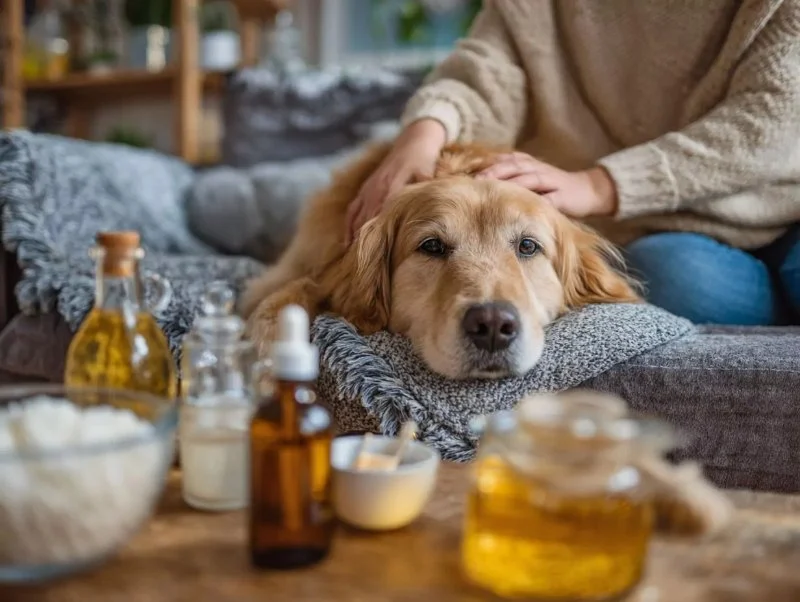
- home-remedies-for-dog-diarrhea - Safe at-home care steps to stabilize your dog’s stomach
- when-to-worry - Warning signs that indicate a vet visit is needed immediately
- diet-and-recovery - What to feed and avoid during recovery periods
- prevention-tips - Long-term habits to reduce recurrence of digestive issues
Dog Digestive Upset: Understanding What’s Really Happening Inside the Gut
When a dog suddenly develops diarrhea, it can feel alarming—even if it only lasts a few hours. The truth is, a dog’s digestive system is far more sensitive than most owners expect. Even small changes like a new treat, a bit of table food, or stress from travel can trigger noticeable stomach issues.
Understanding dog diarrhea causes is the first step toward making smart decisions. In many cases, it’s not a serious illness but a temporary reaction to diet or environment. Still, there are moments when diarrhea signals something more serious that requires attention.
One pet owner once described how her Labrador developed sudden diarrhea after a weekend camping trip. At first, she assumed it was just “something he ate,” but the situation escalated quickly because he had also picked up bacteria from river water. This kind of real-life scenario shows why recognizing patterns matters.
Common Causes Behind Sudden Digestive Problems
There isn’t just one reason dogs experience loose stools. Instead, it’s usually a combination of dietary, environmental, and sometimes medical triggers. Let’s break down the most common contributors.
Dietary Changes and Food Sensitivity
One of the most frequent causes is a sudden shift in diet. Dogs that switch foods too quickly often experience stomach imbalance. Even high-quality food can cause reactions if introduced without transition.
Some dogs also develop sensitivities to ingredients like chicken, beef, or grains. In these cases, recurring episodes of diarrhea may indicate a deeper intolerance rather than a one-time upset.
Stress and Environmental Triggers
Dogs are emotionally responsive animals. Stress from moving homes, loud noises, travel, or separation anxiety can directly impact digestion. This is often called stress-induced colitis.
A rescue dog adopted in California was reported to develop digestive issues every time its owner left for work. Once behavioral adjustments and gradual desensitization were introduced, symptoms significantly reduced.
Parasites, Bacteria, and Infections
Parasites such as Giardia or roundworms can lead to ongoing diarrhea if untreated. Bacterial infections from contaminated water or food can also cause sudden gastrointestinal distress.
These cases often require veterinary diagnosis, especially when symptoms persist beyond a couple of days.
Foreign Objects and Dietary Indiscretion
Many dogs are naturally curious and may ingest things they shouldn’t—plastic, bones, or spoiled food. This can irritate the intestinal lining and result in acute diarrhea.
This is one of the reasons monitoring your dog outdoors is so important, especially during walks or hikes.
Safe Home Remedies for Mild Cases
When symptoms are mild and your dog is otherwise active, there are several home care strategies that can help stabilize digestion. These approaches focus on giving the gut time to reset.
Bland Diet Reset Approach
A simple diet of boiled chicken and plain rice is often recommended for short-term recovery. This reduces strain on the digestive system while still providing basic nutrients.
Portion control is important—small, frequent meals are easier to digest than large servings.
Hydration Support
Diarrhea can quickly lead to dehydration. Fresh water should always be available. In some cases, electrolyte solutions designed for pets can help restore balance.
Probiotics and Gut Balance
Veterinarian-approved probiotics may help restore healthy gut bacteria. These are especially useful after antibiotic treatments or dietary disturbances.
For ongoing digestive support products and pet wellness essentials, many owners explore resources like Brothers Pets, where curated options for pet health care are available.
When Symptoms Signal Something More Serious
Not all cases can be managed at home. Knowing when to seek professional help is critical for your dog’s safety.
Persistent Diarrhea Beyond 48 Hours
If symptoms last more than two days, it may indicate infection, parasites, or chronic digestive disease.
Presence of Blood or Mucus
Blood in stool or excessive mucus is a warning sign that the intestinal lining is irritated or damaged.
Lethargy and Loss of Appetite
If your dog refuses food or becomes unusually tired, it may indicate a more systemic issue rather than simple digestive upset.
Vomiting Combined with Diarrhea
This combination increases the risk of dehydration and often requires immediate veterinary evaluation.
Recovery Diet and Rebuilding Gut Strength
Once symptoms improve, transitioning back to regular food should be gradual. Sudden reintroduction of normal meals can cause relapse.
Start with small portions of regular food mixed with bland diet ingredients. Over several days, gradually increase regular food while decreasing bland components.
High-fiber ingredients like pumpkin can also help firm stool and support digestion naturally.
Real Case Insight: The Weekend That Changed a Dog Owner’s Routine
A dog owner shared a story about her Beagle who developed severe diarrhea after attending a dog park event. Initially, she assumed it was a mild reaction to treats shared by other owners. However, the condition worsened overnight.
A veterinary visit revealed a mild bacterial infection likely picked up from shared water bowls. After treatment and a controlled diet, the dog recovered fully. The owner later changed her routine—bringing her own water bottle, avoiding shared bowls, and being more cautious about treats.
This case highlights how quickly small exposures can escalate into health issues and why awareness matters in everyday environments.
Long-Term Prevention and Digestive Stability
Preventing future episodes requires consistency rather than drastic changes. Dogs thrive on stable routines and predictable diets.
Feeding high-quality food, avoiding frequent diet switches, and monitoring treat intake can significantly reduce digestive upset. Regular deworming and vet checkups also play a crucial role in prevention.
Exercise and stress management are often overlooked but equally important. A balanced lifestyle helps maintain a stable gut environment over time.





 PetVet Vaccination Clinic5.0 (1 reviews)
 Nancy Lindner DVM5.0 (2 reviews)
 Anaheim Canyon Animal Hospital4.0 (34 reviews)
 Valley View Veterinary Clinic4.0 (259 reviews)
 Animal Clinic of La Plata4.0 (252 reviews)
 Royston Animal Hospital4.0 (791 reviews)
 How to Spot and Treat Pet Ear Infections - A Complete Guide for Pet Owners
 How to Safely Handle Pet Emergencies: A First-Aid Guide for Pet Owners
 How to Manage and Prevent Seasonal Pet Allergies
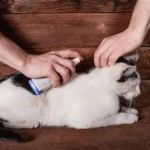 The Best Ways to Protect Your Pet from Fleas and Ticks
 Top 5 Tips for Pet Behavior: Improve Training and Communication
 How to Recognize and Treat Hypothermia in Pets: A Guide for Pet Owners