
- overview-can-dogs-eat-almonds-safe-or-not-for-dogs
- almond-risks-small-dogs-choking-digestive-issues
- toxicology-and-nutrition-what-almonds-do-to-dogs-body
- real-life-pet-incidents-and-owner-mistakes-with-almonds
- safer-snack-alternatives-for-dogs-and-daily-feeding-tips
- how-to-respond-if-dog-eats-almonds-emergency-steps
Can Dogs Eat Almonds — Understanding the Real Risk Behind a “Healthy” Snack
At first glance, almonds look harmless. They are marketed as a superfood for humans, packed with healthy fats, vitamin E, and protein. It feels natural to wonder: can dogs eat almonds too, especially when they sit on the kitchen counter during snack time. But what is healthy for humans does not always translate safely to dogs.
Veterinarians consistently caution against feeding almonds to dogs—not because they are highly toxic like chocolate or grapes, but because they create a combination of risks that are often underestimated. These risks become even more serious for small breeds, where even a single almond can become a choking hazard or digestive trigger.
This guide breaks down everything dog owners need to know, from biological reactions to real-life incidents, so you can make informed decisions instead of guessing when your pet begs for a bite.
Why Almonds Are Problematic for Dogs: Beyond the Obvious Question
When evaluating are almonds safe for dogs, it is important to separate three key concerns: digestion, choking, and chemical sensitivity. Unlike peanuts or cashews (which are sometimes tolerated in tiny amounts), almonds sit in a gray zone where “not immediately toxic” does not mean “safe.”
1. Hard Texture and Choking Risk in Small Breeds
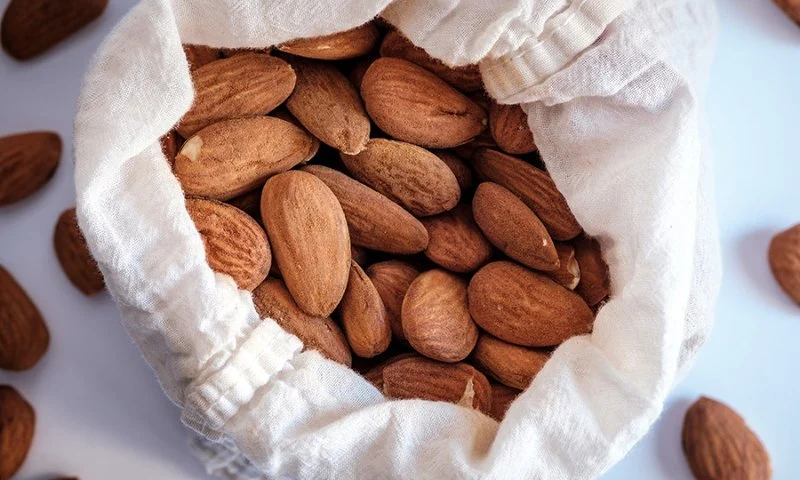
One of the biggest dangers of almonds is their physical structure. They are hard, round, and difficult to break down without chewing thoroughly. Dogs, especially small breeds like Chihuahuas or Yorkies, often swallow food quickly rather than chewing carefully.
This creates a serious choking hazard. Even if the almond does not block the airway completely, it can lodge in the esophagus and cause distress, gagging, or emergency vet visits.
2. Digestive Stress and Pancreatic Load
Almonds contain high levels of fat. While fat is not inherently bad for dogs, sudden intake of fatty foods can overload the pancreas. In sensitive dogs, this may lead to vomiting, diarrhea, or even pancreatitis in severe cases.
Pancreatitis is not a minor issue—it can require hospitalization and strict dietary control. This is one reason veterinarians rarely recommend nuts as part of a dog’s diet.
3. Salted and Flavored Almonds: Hidden Chemical Risks
Another overlooked danger comes from human seasoning. Roasted or flavored almonds often contain salt, garlic powder, onion powder, or artificial coatings. These additives can be significantly more harmful than the nut itself.
Even small amounts of onion or garlic powder may damage a dog’s red blood cells over time, leading to anemia.
Almond Toxicology in Dogs: Are They Actually Poisonous?
Technically, almonds are not classified as highly toxic to dogs in the same category as macadamia nuts. However, labeling them as “safe” would also be misleading.
The main issue is not poisoning but physiological intolerance. Dogs lack the digestive efficiency needed to break down dense plant fats in nuts. This creates a burden on their gastrointestinal system rather than an immediate toxic reaction.
Some dogs may eat a single almond with no visible symptoms, which often confuses owners. But variability in reaction is part of the risk—what seems fine once may become problematic later, especially with repeated exposure.
Real-Life Stories: When Almonds Became a Veterinary Emergency
One common case reported in veterinary clinics involves small dog breeds consuming nuts left on coffee tables or dropped during snacking. A frequently cited example involves a miniature Dachshund that swallowed several almonds during a family gathering.
Within hours, the dog developed severe vomiting and abdominal pain. The owners initially assumed it was mild indigestion, but the condition progressed into pancreatitis requiring two days of intensive care.
Another incident involved a toy Poodle who choked on a single almond half. The owner had to perform emergency back blows before reaching a clinic. The dog survived, but the situation escalated within seconds—highlighting how quickly harmless snacks can become emergencies.
These cases underline a key lesson: the risk is not always about toxicity, but about unpredictability and size-related vulnerability.
Why Small Dogs Are at Higher Risk from Almonds
Small dog breeds face amplified dangers when consuming almonds due to their anatomy and metabolism. A food item that seems “tiny” to humans can be proportionally large for a 5–10 lb dog.
1. Narrow Airway and Faster Obstruction
Smaller airways mean even partial obstruction can cause severe breathing issues. Almonds do not dissolve quickly, making them especially risky if inhaled or swallowed improperly.
2. Lower Fat Tolerance Threshold
Small dogs have less digestive capacity, meaning fatty foods hit their system harder. What might be a mild stomach upset in a large dog can escalate into serious illness in a toy breed.
3. Faster Dehydration and Energy Imbalance
Vomiting or diarrhea in small dogs can lead to rapid dehydration, making recovery more difficult without veterinary support.
What to Do If Your Dog Eats Almonds Accidentally
If your dog consumes almonds, the response depends on quantity, size of the dog, and symptoms observed.
Step 1: Assess the Situation
Determine how many almonds were eaten and whether they were whole, salted, or flavored. This information is crucial for veterinary advice.
Step 2: Watch for Early Symptoms
Common warning signs include vomiting, lethargy, bloating, coughing, or difficulty breathing. These symptoms should never be ignored.
Step 3: Contact a Veterinarian if Needed
If multiple almonds were consumed or your dog is small, professional evaluation is strongly recommended. Early intervention can prevent complications.
Safer Alternatives to Almonds for Dogs
Instead of testing risk with nuts, dog owners can offer safer snack options that provide nutrition without digestive stress. This is where curated pet nutrition guidance becomes useful, and platforms like Brothers Pets often help owners discover balanced alternatives suited for different breeds and ages.
Some commonly recommended safe treats include small pieces of apple (without seeds), blueberries, carrots, and specially formulated dog treats designed for dental and digestive health.
Building Better Feeding Habits for Long-Term Dog Health
Understanding can dogs eat almonds is not just about one snack—it reflects a broader responsibility in pet ownership. Dogs rely entirely on humans to make safe dietary decisions, and small mistakes can lead to significant health consequences over time.
A practical approach is to treat human food as “exceptional,” not routine. Even foods that seem harmless can accumulate risk when offered repeatedly or in unmeasured portions.
Veterinarians often recommend consistency, simplicity, and breed-specific feeding awareness. This means choosing foods designed specifically for canine digestion rather than adapting human diets for pets.






 Sound Animal Rehabilitation and Fitness5.0 (21 reviews)
 Culbreth Carr Watson Animal Clinic4.0 (836 reviews)
 VIP Petcare Vaccination Clinic0.0 (0 reviews)
 Grantline Veterinary Hospital4.0 (289 reviews)
 Brentwood Animal Hospital4.0 (305 reviews)
 David M Lebovic DVM4.0 (45 reviews)
 How to Train Your Pet to Be Comfortable Around Strangers
 Choosing the Right Hypoallergenic Cat Food for Sensitive Stomachs
 Best Probiotic Supplements for Dogs to Boost Digestive and Immune Health
 How to Safely Handle Pet Emergencies: A First-Aid Guide for Pet Owners
 Raw Food Diets for Pets: Pros, Cons, and Veterinary Opinions
 Pet Insurance: What Vets Want You to Know Before You Buy