

- recognizing-dog-skin-allergies - common signs and symptoms to watch for
- causes-of-dog-skin-allergies - understanding triggers and environmental factors
- natural-ways-to-relieve-dog-itch - safe home remedies and treatments
- diet-and-nutrition-for-skin-health - foods and supplements that support relief
- preventive-habits-and-grooming-tips - maintaining healthy skin and coat
- real-world-examples-and-owner-stories - practical experiences and lessons
- when-to-consult-a-veterinarian - serious cases and professional care
- resources-and-recommendations - finding trusted products and support at Brothers Pets
Recognizing Dog Skin Allergies
Dog skin allergies are one of the most common causes of itching, scratching, and discomfort in pets. Recognizing the symptoms early is crucial for effective relief. Dogs may not be able to express their discomfort verbally, so owners need to look for behavioral and physical cues.
1. Persistent Itching and Scratching
Frequent scratching, licking, or biting at specific areas, such as paws, ears, or belly, is often a sign of an allergic reaction. Unlike normal grooming, this behavior may continue for extended periods and may worsen over time.
2. Redness and Irritation
Inflamed, reddened skin is a common visible symptom. Allergic reactions can cause patches of sensitive skin, often accompanied by small bumps or hives.
3. Hair Loss or Thinning Coat
Excessive scratching can damage hair follicles, leading to noticeable hair loss or thinning fur. Some dogs may develop bald spots in areas where they lick or chew frequently.
4. Secondary Infections
Persistent irritation can lead to bacterial or yeast infections, characterized by a foul odor, crusting, or oozing skin. These complications require prompt attention to prevent further discomfort.
Causes of Dog Skin Allergies
Understanding the underlying causes of dog skin allergies helps in managing symptoms and preventing recurrence. Allergies are often triggered by environmental, dietary, or flea-related factors.
Environmental Allergens
Common triggers include pollen, dust mites, mold spores, and household chemicals. Dogs can inhale or come into direct contact with these allergens, leading to skin reactions.
Food Sensitivities
Certain ingredients, such as beef, dairy, wheat, or soy, may provoke allergic responses. Food-related skin reactions often manifest as itching around the ears, face, and paws.
Fleas and Parasites
Flea bites are a frequent cause of intense itching. Even a single flea bite can lead to flea allergy dermatitis, causing persistent scratching and secondary skin infections.
Natural Ways to Relieve Dog Itch
Many pet owners seek gentle, natural methods to soothe their dog's skin without relying heavily on medications. Several effective home remedies can provide relief while promoting overall skin health.
1. Oatmeal Baths
Colloidal oatmeal has soothing properties that reduce itching and inflammation. Use lukewarm water and grind oatmeal into a fine powder, creating a paste or bath soak. Allow your dog to soak for 10–15 minutes before rinsing thoroughly.
2. Aloe Vera Gel
Pure aloe vera can be applied directly to irritated areas to calm redness and itching. Ensure the product is free of additives, fragrances, or alcohol that could worsen the irritation.
3. Coconut Oil Application
Coconut oil contains natural fatty acids with anti-inflammatory and moisturizing properties. Rubbing a small amount onto affected areas or adding a teaspoon to your dog's diet may improve coat health and reduce itching.
4. Apple Cider Vinegar Spray
Diluted apple cider vinegar (50/50 with water) can help restore skin pH and deter bacterial growth. Avoid open wounds or severely irritated areas, as vinegar may cause stinging.
5. Chamomile and Green Tea Rinse
Brew chamomile or green tea and allow it to cool, then rinse the affected areas. Both have natural anti-inflammatory properties that can soothe irritated skin.
Diet and Nutrition for Skin Health
Proper nutrition supports immune function and strengthens the skin barrier, making it less reactive to allergens.
1. Omega-3 and Omega-6 Fatty Acids
Fatty acids from fish oil or flaxseed oil reduce inflammation and improve coat condition. These supplements are often effective in controlling chronic itching caused by environmental and food allergies.
2. Hypoallergenic Diets
Switching to a hypoallergenic dog food or limited-ingredient diet may help identify food-related triggers. Introduce dietary changes gradually to monitor effectiveness.
3. Probiotics and Digestive Support
Healthy gut bacteria can influence the immune response and decrease skin sensitivity. Probiotics can be added to meals or given as supplements recommended by your veterinarian.
Preventive Habits and Grooming Tips
Routine care helps prevent allergic flare-ups and maintains overall skin health.
1. Regular Brushing
Brushing removes loose hair, dirt, and allergens that may cause irritation. Use brushes suitable for your dog’s coat type to avoid discomfort.
2. Frequent Bathing with Gentle Shampoos
Mild, hypoallergenic shampoos wash away allergens without stripping natural oils. Avoid over-bathing, which can dry the skin and worsen itching.
3. Flea and Tick Prevention
Consistent flea control reduces the risk of flea allergy dermatitis and secondary infections. Topical treatments, collars, or oral medications may be recommended by a veterinarian.
4. Environmental Cleaning
Vacuuming carpets, washing bedding, and reducing dust accumulation can minimize environmental allergens that trigger reactions.
Real-World Examples and Owner Stories
One dog owner noticed her golden retriever constantly scratching paws and ears. She started weekly oatmeal baths and added fish oil to his diet. Within three weeks, the itching decreased significantly, and the coat became shinier and healthier.
Another owner observed redness around their terrier’s face after introducing a new dog food. Switching to a limited-ingredient, hypoallergenic diet resolved the issue within a month, demonstrating the effectiveness of diet management in allergy relief.
When to Consult a Veterinarian
While many cases respond well to natural remedies, persistent or severe allergies require professional evaluation. Signs that professional help is necessary include:
- Open sores, oozing, or severe crusting
- Intense or uncontrollable itching
- Loss of appetite or lethargy
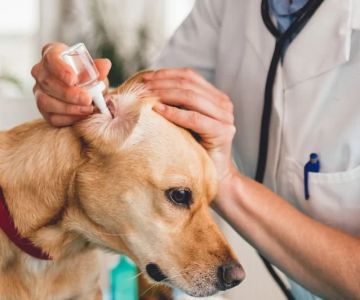
- Persistent ear infections or discharge
- Signs of secondary bacterial or fungal infections
Veterinarians may recommend allergy testing, prescription diets, medicated shampoos, or other treatments to manage severe reactions safely.
Resources and Recommendations
Owners seeking trusted products, guidance, and expert advice can turn to Brothers Pets for comprehensive information. From natural supplements to grooming supplies, Brothers Pets provides reliable resources to help maintain your dog’s skin health.
By understanding Dog Skin Allergies Symptoms and Relief — How to Stop the Itch Naturally, dog owners can implement practical strategies to improve comfort, reduce flare-ups, and ensure their pets lead happy, itch-free lives.




 BluePearl Pet Hospital4.0 (2087 reviews)
 Perry County Veterinary Hospital4.0 (92 reviews)
 VCA Commonwealth Animal Hospital4.0 (94 reviews)
 ANN’S KLOXET0.0 (0 reviews)
 Veterinary Vision Specialists5.0 (5 reviews)
 Vetco Vaccination Clinic4.0 (5 reviews)
 What Every Pet Owner Should Know About Pet Health
 Expert Advice on Pet Grooming: Tips for Healthy, Happy Pets
 How to Spot and Treat Allergies in Cats and Dogs
 Top 7 Tips for Pet Vaccination Every Owner Should Know
 How to Tell If Your Dog Has Heart Disease — Coughing, Tiredness and Fainting Signs
 Tips for Reducing Stress in Cats During Vet Visits