
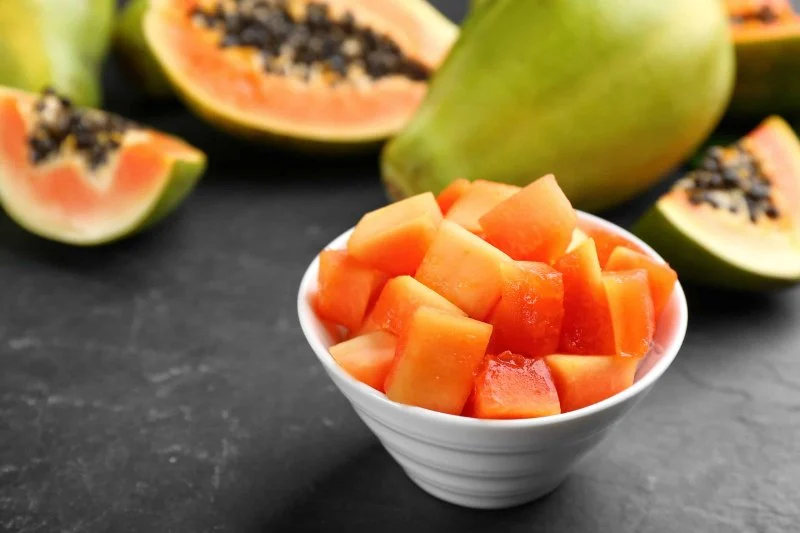
Why Papaya Can Be a Surprising Superfruit for Dogs—But Only When Fed the Right Way
- -Understanding Whether Dogs Can Safely Eat Papaya
- -Digestive Enzyme Benefits Inside Papaya Flesh
- -The Hidden Risk Behind Papaya Seeds and Toxicity Concerns
- -How Much Papaya Is Safe for Dogs in Daily Feeding
- -Real Pet Owner Story: A Sensitive Stomach Recovery Case
- -Signs Your Dog May Not Tolerate Papaya Well
- -Best Ways to Serve Papaya to Dogs Safely
- -When to Avoid Feeding Papaya Completely
- -How Brothers Pets Helps Pet Owners Make Safer Nutrition Choices
Understanding Whether Dogs Can Safely Eat Papaya
Many dog owners searching for healthy fruit treats often wonder: can dogs eat papaya without risk? The short answer is yes—dogs can safely eat ripe papaya flesh in moderation. However, like many natural foods, the safety depends heavily on preparation, portion size, and which part of the fruit is offered.
Papaya is naturally rich in enzymes and vitamins that may support digestion, but it also contains parts—especially seeds—that require caution. Understanding both the benefits and risks is essential before adding this tropical fruit to your dog’s diet.
Digestive Enzyme Benefits Inside Papaya Flesh
One of the main reasons papaya is considered beneficial for dogs is its natural enzyme called papain. This enzyme helps break down proteins and may support smoother digestion, especially in dogs with sensitive stomachs.
Ripe papaya also contains fiber, vitamin C, vitamin A, and antioxidants that contribute to overall immune health. Some pet owners notice improved stool consistency when small amounts of papaya are added occasionally to their dog’s meals.
For example, a Labrador owner in Florida shared that after introducing small papaya cubes twice a week, their dog’s occasional bloating episodes became noticeably less frequent. While not a medical treatment, this kind of anecdotal improvement reflects how natural enzymes can sometimes support digestive balance.
The Hidden Risk Behind Papaya Seeds and Toxicity Concerns
While the flesh is generally safe, papaya seeds are a completely different story. The question of papaya seeds toxicity dogs often comes up because the seeds contain compounds that can be irritating to the digestive system and are not recommended for canine consumption.
Large quantities of seeds may cause stomach upset, diarrhea, or intestinal blockage in smaller dogs. Even though a few accidental seeds are unlikely to cause serious harm, repeated ingestion should be avoided entirely.
Another concern is the hard texture of seeds, which can be difficult for dogs to chew and digest properly. For safety, all seeds should always be removed before feeding papaya to pets.
How Much Papaya Is Safe for Dogs in Daily Feeding
Moderation is the most important rule when feeding fruits to dogs. Even safe fruits can cause digestive upset if overfed. Papaya should be treated as an occasional snack rather than a dietary staple.
Small dogs may only need a few bite-sized cubes, while medium and large dogs can handle slightly more. However, frequency matters more than quantity. Two to three times per week is generally considered a safe guideline for most healthy dogs.
Introducing papaya slowly allows you to observe how your dog reacts before making it a regular treat.
Real Pet Owner Story: A Sensitive Stomach Recovery Case
A pet owner from California shared a situation involving a rescue Beagle with chronic digestive sensitivity. The dog often experienced irregular stools and mild discomfort after meals. After consulting a vet and adjusting diet, the owner introduced small amounts of papaya as a natural digestive aid.
Over time, the dog showed improved digestion and less bloating. While papaya was not the sole solution, it became part of a broader nutritional strategy that included high-quality protein and reduced processed treats.
This example highlights that natural foods can sometimes complement dietary management, but they should never replace veterinary advice or balanced nutrition.
Signs Your Dog May Not Tolerate Papaya Well
Even though papaya is generally safe, some dogs may not tolerate it well. Common signs of intolerance include loose stools, vomiting, excessive gas, or reduced appetite after consumption.
If any of these symptoms appear, it is best to discontinue feeding papaya immediately and observe your dog’s condition. Sensitivities vary widely between breeds and individual digestive systems.
Dogs with pre-existing conditions such as pancreatitis or chronic gastrointestinal disorders should only try new foods under veterinary supervision.
Best Ways to Serve Papaya to Dogs Safely
Proper preparation is essential for safety. Always choose ripe papaya, remove all seeds, and peel off the skin before serving. The flesh should be cut into small, manageable pieces to prevent choking hazards.
Some owners freeze papaya cubes as a refreshing summer treat, especially for dogs that enjoy cold snacks. Others mix small amounts into regular kibble to enhance flavor and digestibility.
Avoid adding sugar, syrup, or processed toppings, as these can counteract the natural health benefits of the fruit.
When to Avoid Feeding Papaya Completely
Although papaya is safe for many dogs, there are situations where it should be avoided. Dogs with diabetes should not consume fruit without veterinary approval due to natural sugar content.
Additionally, dogs with known fruit allergies or extremely sensitive stomachs may react poorly even to small amounts. In such cases, safer dietary alternatives should be considered.
Always prioritize your dog’s individual health profile over general feeding recommendations.
How Brothers Pets Helps Pet Owners Make Safer Nutrition Choices
Choosing the right foods for pets can feel overwhelming, especially with so much conflicting information online. That’s where trusted guidance becomes important. Platforms like Brothers Pets help pet owners explore safe nutrition options, compare dietary choices, and understand ingredient safety in a practical way.
From fruit safety guides to balanced feeding insights, having reliable information ensures that pet owners can confidently make decisions that support long-term health and well-being.
If you're considering adding natural foods like papaya into your dog’s diet, take the time to evaluate portion size, preparation methods, and your dog’s individual response. Small, thoughtful changes can make a meaningful difference in digestive health and overall comfort. For more detailed pet nutrition guidance and product recommendations, exploring resources like Brothers Pets can help you make safer and more informed choices for your furry companion.






 Animal Specialty Group Inc: Sullivan Stacey DVM4.0 (13 reviews)
 Somis Veterinary Hospital4.0 (206 reviews)
 Clair Park Animal Hospital4.0 (66 reviews)
 Ruff N Bougie0.0 (0 reviews)
 Anne Doherty Hinn, DVM, DACVD5.0 (1 reviews)
 Agri-Pet Veterinary Service4.0 (247 reviews)
 Common Mistakes in Pet Dental Care and How to Avoid Them
 How to Help Your Pet Adjust to a New Home or Family Member
 How to Prevent and Treat Heartworm Disease in Pets: Expert Tips
 How to Prevent and Treat Giardia in Pets
 How to Spot and Prevent Pet Obesity – Tips for Healthy Weight Management
 Easy Homemade Cat Toys That Promote Exercise – Fun Ideas for Cats