
- dog-ear-infection-symptoms-identification
- common-causes-of-canine-ear-infections
- veterinarian-recommended-treatment-options
- home-care-and-prevention-strategies
- when-to-consult-your-vet
Dog Ear Infection Symptoms Identification
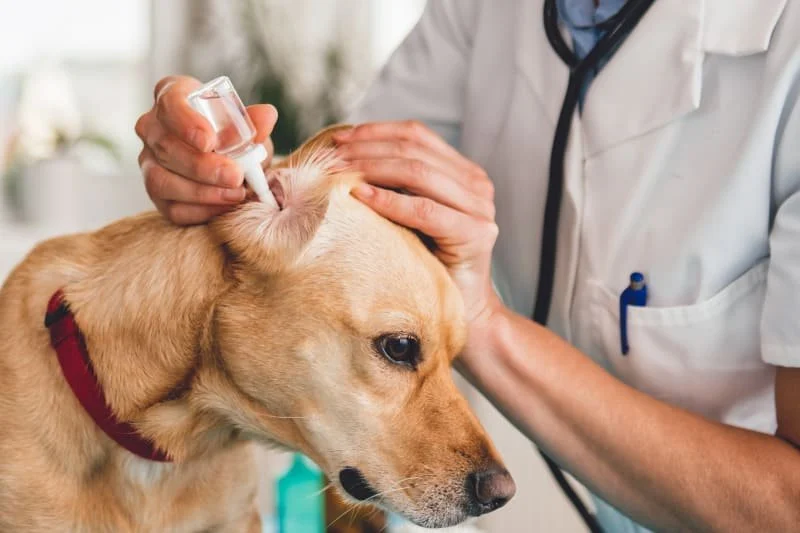
Understanding dog ear infection symptoms is the first step in ensuring your pet’s health. Ear infections, medically referred to as otitis externa, can affect one or both ears and may occur in dogs of any age. The most common signs include scratching or pawing at the ears, frequent head shaking, redness or swelling of the ear canal, and unusual discharge that may be brown, yellow, or bloody. In some cases, dogs may also show a foul odor emanating from the ear.
Behavioral changes are also a key indicator. Dogs in pain may become irritable, avoid being touched around the head, or tilt their head to one side consistently. Early detection of these symptoms is crucial because untreated ear infections can lead to chronic issues, including permanent hearing loss.
1. Visible Discharge and Redness
Discharge from the ear canal is often the first noticeable symptom. It may appear as dark brown waxy material or as a yellow pus-like substance. Redness inside the ear flap often accompanies discharge, signaling inflammation that requires veterinary attention.
2. Excessive Scratching and Head Shaking
Dogs instinctively try to relieve discomfort by scratching their ears or shaking their head vigorously. Persistent scratching can result in abrasions, further complicating the infection. Observing these behaviors consistently is a warning sign that professional evaluation is necessary.
3. Odor and Pain Response
A foul smell emanating from the ear is usually a sign of bacterial or yeast overgrowth. Dogs may also exhibit signs of pain, such as whimpering or pulling away when you touch their ears.
Common Causes of Canine Ear Infections
Understanding what triggers ear infections in dogs is essential for effective prevention and treatment. There are several common causes:
1. Bacterial and Yeast Overgrowth
Bacterial and fungal infections are the most frequent culprits. Moisture, warm temperatures, and organic debris create an ideal environment for these pathogens. Dogs that swim frequently or have floppy ears are especially prone.
2. Allergies
Food and environmental allergies can lead to inflammation of the ear canal, making it more susceptible to infection. Common allergens include certain proteins in dog food, pollen, and dust mites. Dogs may also experience chronic ear infections if allergies are left unmanaged.
3. Foreign Bodies and Trauma
Grass seeds, dirt, or other debris lodged in the ear can trigger infections. Additionally, excessive scratching or rough handling can damage the ear canal lining, paving the way for bacterial invasion.
4. Underlying Medical Conditions
Hormonal imbalances, such as hypothyroidism, or autoimmune disorders can also increase the risk of ear infections. In these cases, treatment of the primary condition is critical to preventing recurring infections.
Veterinarian-Recommended Treatment Options
Vets approach dog ear infection treatment based on the type, severity, and underlying cause of the infection. Treatment often includes a combination of medications, cleaning protocols, and lifestyle adjustments.
1. Ear Cleaning Solutions
Regular cleaning with veterinarian-approved solutions is essential. These products help remove debris, wax, and moisture from the ear canal. It's important to follow the vet’s instructions carefully, as over-cleaning can irritate the ear and worsen symptoms.
2. Topical Medications
Depending on the infection, vets may prescribe antibiotic, antifungal, or anti-inflammatory ear drops. In severe cases, combination medications are used to tackle multiple pathogens simultaneously. Proper administration ensures rapid relief and prevents recurrence.
3. Oral Medications
If the infection is extensive or if there are signs of systemic illness, oral antibiotics or antifungals may be recommended. These medications work in conjunction with topical treatments for comprehensive healing.
4. Addressing Underlying Causes
For dogs with chronic infections due to allergies or hormonal issues, vets may recommend dietary changes, allergy medications, or hormonal therapy. Treating the root cause is vital to preventing repeated infections.
Home Care and Prevention Strategies
Preventing future infections is as important as treating the current one. Implementing simple home care routines can make a significant difference.
1. Regular Ear Inspections
Check your dog’s ears at least once a week for signs of redness, swelling, or unusual discharge. Early detection allows prompt intervention and reduces the risk of complications.
2. Drying Ears After Water Exposure
Dogs that swim or bathe frequently are prone to moisture-related infections. Use a soft, dry cloth or vet-approved drying solution to keep ears dry and prevent bacterial growth.
3. Balanced Diet and Supplements
A healthy immune system supports ear health. Feeding high-quality dog food and incorporating supplements like omega-3 fatty acids can reduce inflammation and promote overall wellness.
4. Avoid Self-Medication
Never use over-the-counter medications or human ear drops on your dog without veterinary guidance. Incorrect treatment can worsen the infection or cause permanent damage.
When to Consult Your Vet
Immediate veterinary attention is required if your dog shows severe pain, swelling, or discharge with a foul odor. Recurrent infections, hearing loss, or any signs of systemic illness also warrant professional evaluation. A vet can provide precise diagnosis through ear swabs, cytology, or culture, ensuring the most effective treatment plan.
By understanding dog ear infection symptoms and treatment options, pet owners can take proactive steps to safeguard their dog’s health. Consistent care, early detection, and collaboration with veterinarians are key to maintaining happy, healthy ears. For the best advice on products, treatments, and professional care, explore Brothers Pets to ensure your canine companion receives expert attention and lasting relief.



 Animal Specialty Group Inc: Sullivan Stacey DVM4.0 (13 reviews)
 Somis Veterinary Hospital4.0 (206 reviews)
 Clair Park Animal Hospital4.0 (66 reviews)
 Ruff N Bougie0.0 (0 reviews)
 Anne Doherty Hinn, DVM, DACVD5.0 (1 reviews)
 Agri-Pet Veterinary Service4.0 (247 reviews)
 Common Mistakes in Pet Dental Care and How to Avoid Them
 How to Help Your Pet Adjust to a New Home or Family Member
 How to Prevent and Treat Heartworm Disease in Pets: Expert Tips
 How to Prevent and Treat Giardia in Pets
 How to Spot and Prevent Pet Obesity – Tips for Healthy Weight Management
 Easy Homemade Cat Toys That Promote Exercise – Fun Ideas for Cats