

- Understanding Pet Obesity and Its Risks
- 1. How to Spot Pet Obesity: Signs to Watch For
- 2. Common Causes of Pet Obesity
- 3. Preventing Obesity: Tips for Healthy Weight Management
- 4. Importance of Nutrition in Pet Weight Management
Understanding Pet Obesity and Its Risks
Pet obesity is a growing concern for pet owners across the U.S. As our pets become more sedentary and our lifestyles evolve, obesity in pets has become a leading cause of health problems. Just like in humans, excess weight can lead to a number of serious health issues in pets, including diabetes, heart disease, joint problems, and a shorter lifespan.
As responsible pet owners, it's important to recognize the signs of obesity early and take steps to prevent it. In this article, we will discuss how to spot pet obesity, what causes it, and how to manage your pet's weight for a longer, healthier life. Whether you're a first-time pet owner or have had pets for years, these tips will help you keep your furry friend fit and healthy.
1. How to Spot Pet Obesity: Signs to Watch For
It’s easy to overlook the early signs of obesity in pets, but there are a few clear indicators to watch for that can help you identify if your pet is carrying excess weight. Here are the main signs to look for:
- Inability to Feel Ribs: A healthy pet should have a noticeable waistline when viewed from above, and you should be able to feel their ribs without too much pressure. If you can’t feel their ribs easily, it might be a sign they’re carrying excess weight.
- Difficulty Moving or Exercising: Obese pets may have trouble getting around, jumping, or playing like they used to. If your pet seems less active or slower than normal, it could be due to weight-related discomfort.
- Visible Belly or Fat Deposits: A protruding belly or visible fat pads on the sides or under the neck are strong signs of obesity in pets. These are areas where fat often accumulates.
- Breathing Difficulties: Excess weight can put pressure on your pet’s lungs and heart, causing them to pant more heavily than usual or breathe rapidly after minimal activity.
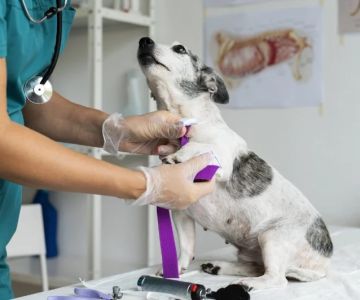
If you notice any of these signs in your pet, it’s important to consult with your veterinarian. They can perform a full physical examination and assess your pet’s weight using a body condition score (BCS) to determine if they are obese and what steps need to be taken.
2. Common Causes of Pet Obesity
Understanding the causes of pet obesity is essential for prevention. While some factors are out of our control, there are several lifestyle choices we can make to help keep our pets at a healthy weight. Here are some common causes of pet obesity:
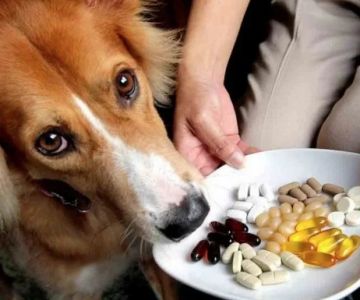
- Overfeeding: One of the primary causes of pet obesity is simply feeding your pet too much. Portion control is key, and it’s easy to overfeed when pets beg for food or when owners provide table scraps or extra treats.
- Lack of Exercise: Many pets, particularly indoor cats and dogs, don’t get enough physical activity. Without regular exercise, pets are more likely to gain weight.
- High-Calorie Diets: Many commercial pet foods are high in calories and low in nutritional value. Feeding your pet high-calorie food that isn’t suited to their activity level can contribute to obesity.
- Age and Genetics: Older pets may experience a slowdown in metabolism, making it easier for them to gain weight. Certain breeds are also more prone to obesity due to genetic factors.
By addressing these causes and making simple adjustments to your pet’s diet and lifestyle, you can significantly reduce their risk of obesity and its associated health problems.
3. Preventing Obesity: Tips for Healthy Weight Management
Preventing obesity in pets involves a combination of healthy eating, regular exercise, and monitoring your pet’s weight regularly. Here are some tips to help keep your pet at a healthy weight:
- Measure Food Portions: Follow your veterinarian's recommendations for portion sizes, and use a measuring cup to ensure you’re feeding your pet the right amount. Avoid free-feeding (leaving food out all day), as this can lead to overeating.
- Provide Regular Exercise: Aim for at least 30 minutes of exercise every day, whether it’s a walk, playtime, or interactive toys. Regular exercise helps burn off calories and keeps your pet active and healthy.
- Avoid Feeding Table Scraps: Resist the temptation to feed your pet human food, as many foods are too high in fat and calories for pets. Stick to pet-safe treats and meals designed for their nutritional needs.
- Consult with a Veterinarian: Regular check-ups with your vet are essential for managing your pet’s weight. Your vet can help track your pet’s progress, recommend dietary adjustments, and offer advice on exercise routines.
By following these preventive steps, you can help your pet maintain a healthy weight throughout their life, reducing the risk of obesity-related health problems.
4. Importance of Nutrition in Pet Weight Management
Nutrition plays a crucial role in managing your pet's weight. A balanced, nutrient-rich diet will help your pet stay healthy, while also providing the right amount of calories to prevent obesity. Here’s how to focus on nutrition:
- Choose High-Quality Food: Select pet food that contains high-quality protein, essential vitamins, and minerals. Avoid food with fillers like corn or soy, which provide empty calories.
- Consider Special Diets: If your pet is overweight or has special dietary needs, ask your veterinarian about weight-management formulas or prescription diets designed to help with weight loss.
- Monitor Treats: Treats should make up no more than 10% of your pet’s daily caloric intake. Opt for low-calorie treats or even healthy alternatives like carrot sticks or apple slices.
By focusing on high-quality nutrition, you can provide your pet with the energy they need to stay active without the excess calories that contribute to obesity.
If you're looking for pet food, treats, or other weight management solutions for your furry friend, check out Brothers Pets for the best selection of products designed to help your pet live a healthy, happy life.



 CatCare4.0 (163 reviews)
 Pinson Animal Hospital4.0 (226 reviews)
 Aspen Creek Veterinary Clinic5.0 (13 reviews)
 Animal Medical Center of Plano4.0 (705 reviews)
 Howls and Meows Barkery5.0 (58 reviews)
 VIP Petcare Vaccination Clinic0.0 (0 reviews)
 Parasite Prevention: What Vets Want You to Know - Expert Tips for Pet Care
 Common Mistakes in Pet Dental Care and How to Avoid Them
 The Complete Vaccination Schedule for Puppies and Kittens in the USA
 Why Regular Vet Visits Are Crucial for Healthy Pets: Expert Insights
 The Ultimate Guide to Seasonal Pet Care for U.S. Pet Owners
 How to Help Your Pet Cope with Anxiety During Vet Visits: Tips for Stress-Free Trips