
- 1-Nutritional-Benefits-of-Zucchini-for-Dogs
- 2-Raw-vs-Cooked-Zucchini-Which-Is-Safer-for-Dogs
- 3-Portion-Guidelines-for-Feeding-Zucchini-to-Dogs
- 4-Potential-Risks-and-Precautions
- 5-How-to-Introduce-Zucchini-into-Your-Dogs-Diet
- 6-Other-Summer-Squash-Varieties-for-Dogs
- 7-Real-Life-Dog-Cases-and-Zucchini-Success-Stories
- 8-Professional-Tips-and-Recommendations-from-Brothers-Pets
1. Nutritional Benefits of Zucchini for Dogs
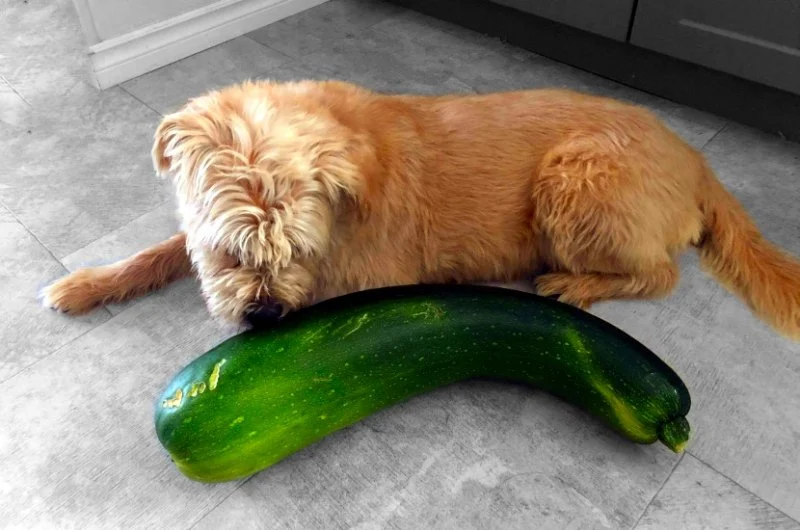
Zucchini, also known as summer squash, is a nutrient-dense vegetable that provides numerous benefits for dogs. It is low in calories and rich in fiber, vitamins A and C, potassium, and antioxidants, which support digestion, immune health, and overall vitality.
Adding zucchini to your dog's diet can promote a healthy weight, improve digestion, and provide essential nutrients without excess fat or sugar. Many pet owners find it a convenient treat for dogs who are sensitive to high-calorie snacks or those on weight management programs.
2. Raw vs Cooked Zucchini: Which Is Safer for Dogs
One common question is whether dogs should eat zucchini raw or cooked. Both forms are generally safe, but there are some distinctions:
- Raw zucchini: Offers slightly more vitamin content since heat does not degrade nutrients. Raw zucchini is crunchy and can serve as a healthy chew, but it should be cut into small, manageable pieces to prevent choking.
- Cooked zucchini: Steaming or lightly boiling zucchini makes it easier to digest and may be better for dogs with sensitive stomachs. Avoid adding salt, butter, or seasonings, as these can be harmful.
For most dogs, alternating between raw and cooked zucchini is safe, allowing them to benefit from both nutrient preservation and ease of digestion.
3. Portion Guidelines for Feeding Zucchini to Dogs
Even safe vegetables must be served in moderation. General guidelines include:
- Small dogs: 1–2 slices per day
- Medium dogs: 2–4 slices per day
- Large dogs: 4–6 slices per day
Always consider your dog’s overall diet and caloric intake. Too much zucchini can cause mild digestive upset, such as gas or loose stools, especially when first introduced.
4. Potential Risks and Precautions
While zucchini is safe, certain precautions are necessary:
- Avoid zucchinis with mold, spoilage, or unwashed dirt, as bacteria can cause illness.
- Introduce gradually to monitor for allergies or sensitivities.
- Remove seeds and stems if feeding raw, as they can be difficult to digest.
It is important to remember that zucchini should complement, not replace, your dog’s balanced diet. Veterinary consultation is recommended if your dog has pre-existing health conditions.
5. How to Introduce Zucchini into Your Dog’s Diet
Introducing zucchini gradually helps your dog adjust without digestive upset:
- Start with a few small slices, either raw or steamed.
- Observe for any gastrointestinal changes over 24–48 hours.
- Gradually increase portions as tolerated.
Some owners mix zucchini with regular kibble or use it as a healthy treat during training sessions. This approach encourages positive associations and consistent dietary enrichment.
6. Other Summer Squash Varieties for Dogs
Besides zucchini, other summer squash types such as yellow squash, pattypan, and crookneck squash are generally safe for dogs. These vegetables share similar nutritional profiles and can diversify your dog’s vegetable intake.
Always introduce one new vegetable at a time and monitor your dog’s reaction. Avoid squash varieties with added seasonings, oils, or sugars, which can negate health benefits.
7. Real-Life Dog Cases and Zucchini Success Stories
Consider Bella, a 5-year-old Labrador, who struggled with weight management. Her owner began incorporating steamed zucchini into her meals, replacing some high-calorie treats. Within two months, Bella maintained a healthier weight while showing improved digestion.
Max, a 2-year-old Shih Tzu, enjoyed raw zucchini slices as a low-calorie snack. His owner noticed he spent less time begging for human snacks, making treat control easier and his diet more balanced.
These examples highlight the practical benefits of zucchini for dogs when integrated thoughtfully into their diets.
8. Professional Tips and Recommendations from Brothers Pets
Experts at Brothers Pets emphasize moderation, proper preparation, and observation when introducing zucchini to dogs. Key recommendations include:
- Wash all vegetables thoroughly before feeding.
- Start with small portions to monitor tolerance.
- Alternate raw and lightly cooked forms to balance nutrient intake and digestibility.
- Consult your veterinarian for dogs with health conditions affecting digestion or metabolism.
By following these guidelines, zucchini and other summer squash can become a nutritious, enjoyable, and safe part of your dog’s diet.





 Iron Range Vet Clinic - Aitkin4.0 (19 reviews)
 Firehouse Animal Health Center Leander4.0 (415 reviews)
 Low Cost Pet Vaccines Sylmar at Foothill Feed Parking Lot0.0 (0 reviews)
 New South Maine Coons0.0 (0 reviews)
 Animal Wellness and Healing Center4.0 (211 reviews)
 The Animal Hospital of Carrboro4.0 (167 reviews)
 How to Make Your Home Safe for Senior Pets | Expert Tips
 Expert Advice on Parasite Prevention for Pets: Vet Tips and Seasonal Protection
 How to Improve Your Pet's Adoption Experience
 How to Safely Train Your Pet for Travel and Outdoor Adventures | Expert Tips
 Best Dog Breeds for Active Families with Kids: Top Picks for Adventure
 How to Prevent and Treat Heatstroke in Dogs During Summer: A Complete Guide