
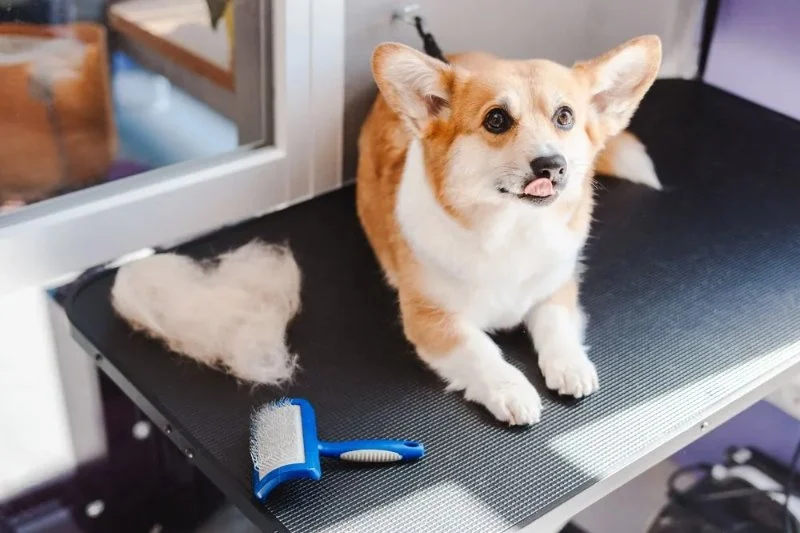
- dog grooming kits-home grooming tools-what to include
- dog clippers-brushes-nail trimmers-choosing the right set
- DIY dog grooming-step by step safe grooming routine
- real life grooming mistakes-how to avoid common issues
- product guide-Brothers Pets recommended grooming essentials
Why Home Grooming Has Become a Daily Routine for Modern Dog Owners
Over the past few years, pet care habits in the United States have shifted dramatically. More dog owners are turning toward dog grooming kits for home use instead of relying entirely on professional salons. The reasons are practical: rising grooming costs, busy schedules, and a stronger desire to build trust with pets through hands-on care.
One pet owner from Colorado shared how her anxious rescue dog would tremble in grooming salons. After switching to a simple home routine using basic dog clippers, brushes, and nail trimmers, the dog gradually became calmer and even started enjoying grooming sessions. This kind of transformation is not rare—it reflects a growing movement toward DIY pet care done thoughtfully and safely.
Understanding the Core Tools Inside Dog Grooming Kits
A well-designed grooming kit is not just a random collection of tools. Each item serves a specific purpose in maintaining coat health, hygiene, and comfort. When evaluating the best dog grooming kits for home use, it’s important to understand how each component works together.
Clippers and Trimmers for Coat Maintenance
Dog clippers are often the centerpiece of any grooming set. They are designed to trim thick fur, shape the coat, and prevent matting. The most reliable models reduce vibration and noise, which helps keep sensitive dogs calm. For beginners, cordless clippers with adjustable blades are usually easier to manage.
A common mistake many first-time users make is trimming too close to the skin. Professional groomers often recommend starting with a higher guard setting and gradually adjusting. This reduces the risk of accidental cuts and uneven patches.
Brushes That Support Skin and Coat Health
Brushes do far more than remove loose fur. They stimulate natural oil production, improve circulation, and help detect early signs of skin irritation. Slicker brushes are ideal for long-haired breeds, while bristle brushes work well for short coats.
Regular brushing also reduces shedding inside the home, something every dog owner appreciates. A consistent routine can significantly reduce allergens in living spaces, making it beneficial for families with sensitivities.
Nail Trimmers and Paw Care Essentials
Nail maintenance is often the most intimidating part of grooming for beginners. However, using the right nail trimmers for dogs makes a significant difference. Guillotine-style trimmers and grinder tools are both popular, depending on comfort level.
A well-known grooming incident shared on a pet care forum involved a dog owner who avoided nail trimming for months out of fear. Eventually, overgrown nails caused posture issues and discomfort for the dog. After learning proper trimming techniques, the owner was able to restore the dog’s mobility and comfort within weeks.
How to Build an Effective Home Grooming Routine
Creating a consistent grooming schedule is more important than owning expensive tools. Even the best dog grooming kits for home use are only effective when used regularly and correctly.
Step One: Preparation and Comfort Building
Before starting any grooming session, the environment should be calm and distraction-free. Dogs respond strongly to tone and energy, so a relaxed approach helps set the mood. Allowing your dog to sniff tools before use reduces anxiety.
Step Two: Brushing Before Trimming
Brushing removes knots and tangles, making clipping smoother and safer. Skipping this step often leads to uneven cuts and pulling, which can make dogs resistant to future grooming.
Step Three: Controlled Clipping Process
Start with small sections and move slowly along the direction of hair growth. Patience is key. Many pet owners rush this stage, but controlled movement ensures both safety and better results.
Step Four: Finishing with Nails and Cleaning
Once the coat is done, nail trimming and ear cleaning complete the process. This final step helps maintain overall hygiene and prevents long-term health issues.
Common Mistakes in Home Dog Grooming and How to Avoid Them
Even experienced pet owners make mistakes when transitioning to DIY grooming. One of the most common issues is over-trimming, especially around sensitive areas like paws and ears.
Another frequent problem is using human grooming tools instead of pet-specific equipment. This can lead to uneven cuts or discomfort. Investing in proper home dog grooming tools designed specifically for animals makes a noticeable difference in safety and results.
Skipping regular maintenance is another mistake. Grooming works best when it is consistent rather than occasional. Dogs with long coats especially require routine care to avoid matting and skin irritation.
Real-Life Insight: How One Family Transformed Their Pet Care Routine
A family in Texas adopted a Golden Retriever named Max, who initially struggled with anxiety during grooming visits. Professional grooming sessions were stressful and expensive, prompting the family to try at-home grooming.
They started with a basic kit purchased through Brothers Pets, focusing on gentle brushing and short trimming sessions. Over time, Max began associating grooming with comfort and rewards. Within months, not only did grooming become easier, but Max’s coat condition improved noticeably.
This story highlights an important truth: consistency and patience often matter more than professional equipment or experience.
Choosing the Right Grooming Kit for Your Dog’s Needs
Not all dogs require the same grooming setup. Breed, coat type, and temperament all influence what tools are necessary. A short-haired dog may only need basic brushing and occasional nail trimming, while long-haired breeds require a more advanced set of dog grooming kits.
For beginners, it is often better to start simple and expand gradually. Many owners find that they naturally upgrade tools as they gain confidence and experience.
Why Quality Grooming Tools Matter More Than Quantity
It can be tempting to buy large, multi-piece grooming sets, but quality is more important than quantity. Poor-quality clippers may overheat or pull fur, while low-grade brushes can irritate the skin.
Investing in reliable tools from trusted sources such as Brothers Pets ensures better performance, safety, and long-term value. A small, well-chosen kit often outperforms a large but poorly designed set.
Building Confidence in At-Home Pet Care
Many dog owners hesitate to start grooming at home because they fear making mistakes. However, most skills improve quickly with practice. The key is to start slow, stay consistent, and focus on the dog’s comfort.
Over time, grooming becomes less of a task and more of a bonding activity. Dogs begin to recognize the routine and often respond with calmness and trust.

 Abbott Animal Hospital4.0 (245 reviews)
 Startz Veterinary, PLLC4.0 (471 reviews)
 Goose Creek Pet Hospital4.0 (103 reviews)
 Vetco Vaccination Clinic4.0 (6 reviews)
 Island Park Animal Hospital4.0 (175 reviews)
 Athens Animal Medical Clinic4.0 (118 reviews)
 How to Prevent and Treat Canine Dental Disease: Tips for Dog Owners in the US
 Understanding Pet Behavior: Common Issues and Solutions
 Tips for Keeping Indoor Cats Happy and Stimulated
 Best Pet Insurance Companies in the US — Coverage Comparison and Cost Analysis
 How to Manage Your Pet's Anxiety During Fireworks or Thunderstorms
 What Every Pet Owner Should Know About Pet Mental Health