
1. Understanding Pet Anxiety During Fireworks and Thunderstorms
Pets, particularly dogs, can experience significant anxiety during loud, unpredictable events like fireworks or thunderstorms. The sudden noises, flashes of light, and vibrations can cause pets to feel scared and stressed, leading to behaviors like hiding, barking, or even destructive actions. Understanding why your pet experiences anxiety is the first step in managing it effectively.
In this article, we’ll explore why pets react the way they do to these events, how to recognize the signs of anxiety, and practical tips for reducing your pet’s fear and helping them feel safe and secure during these challenging situations.
2. Why Do Pets Have Anxiety During Fireworks and Thunderstorms?
Fireworks and thunderstorms are common triggers of anxiety in pets, and it's important to understand the causes of their fear. There are several reasons why pets react this way:
2.1. Sensitivity to Loud Noises
Many pets, especially dogs, have much more sensitive hearing than humans. This means that the sound of fireworks or the rumbling of thunder can be incredibly loud and overwhelming for them. What might seem like a harmless pop or crackle to us can feel like a massive, frightening event to your pet.
2.2. Unpredictability
Fireworks and thunderstorms are unpredictable. The sudden onset of loud noises and flashes can trigger a flight-or-fight response in pets. Unlike many other stressful situations that may follow a pattern, the randomness of these events can leave pets feeling helpless and anxious.
2.3. Previous Traumatic Experiences
If your pet has had a negative experience in the past—such as being startled by fireworks or thunder—they may develop a conditioned fear response. The more they experience these events, the stronger the anxiety can become, leading to a cycle of fear.
3. Signs of Anxiety in Pets
Recognizing the signs of anxiety in your pet is essential for managing their fear effectively. While each pet is different, common signs of anxiety during fireworks or thunderstorms include:
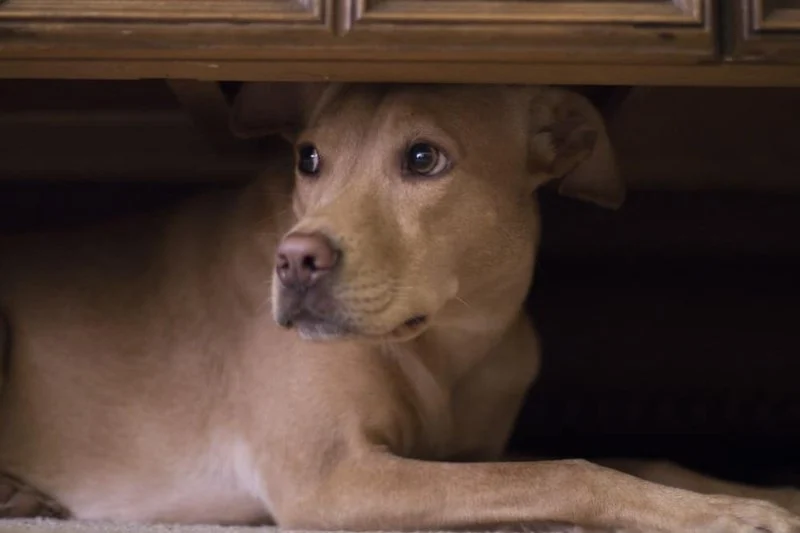
3.1. Hiding or Seeking Shelter
Many pets will seek refuge in dark, quiet places such as under furniture, in closets, or even behind their owners. They may try to escape the noise by finding a perceived “safe” spot.
3.2. Excessive Barking or Whining
Pets may vocalize more than usual when they’re anxious, barking or whining to express their discomfort. This can sometimes escalate as the noises continue.
3.3. Destructive Behavior
Some pets, especially dogs, may engage in destructive behavior when stressed. This might include chewing on furniture, scratching at doors or windows, or even attempting to escape the house.
3.4. Trembling or Shaking
One of the most obvious signs of anxiety in pets is trembling or shaking. This is often a physical response to stress, and it can be accompanied by panting and drooling in dogs.
3.5. Pacing or Restlessness
Anxious pets may have difficulty staying still. You might notice them pacing back and forth or appearing agitated and unable to settle down.
4. How to Manage Pet Anxiety During Fireworks or Thunderstorms
Now that we understand why pets experience anxiety during fireworks and thunderstorms and how to recognize the signs, let's look at strategies you can use to help calm your pet during these events.
4.1. Create a Safe, Quiet Space
One of the best things you can do for your pet is to provide a designated safe space where they can retreat during stressful events. This space should be quiet, comfortable, and free from the loud noises outside. A cozy crate or room with soft bedding and dim lighting can be an ideal refuge.
Make the space inviting by placing their favorite toys or a blanket with their scent to create a sense of familiarity. If possible, keep them in a room away from windows and doors where they might hear or see the noise of the storm or fireworks.
4.2. Use Calming Products
There are several calming products available to help manage pet anxiety during loud events. Some options include:
- Thundershirts: These snug-fitting garments apply gentle pressure to your pet's body, providing a calming effect that mimics swaddling.
- Calming Diffusers or Sprays: Products like Adaptil, which release pheromones that mimic those a mother dog produces to calm her puppies, can help soothe your pet.
- CBD Treats: CBD-based treats or oils have become increasingly popular for anxiety relief in pets. Consult your vet before trying these to ensure they’re right for your pet.
4.3. Distract Your Pet
Sometimes, distraction can be an effective way to divert your pet’s attention from the noise. Try engaging them in a favorite activity, like playing with a toy, chewing on a bone, or even offering them a food puzzle to keep their mind occupied. Soft, calming music or white noise can also help drown out the sound of fireworks or thunder.
4.4. Remain Calm and Reassuring
Pets are highly sensitive to their owners' emotions. If you remain calm, your pet may feel more secure. Avoid reinforcing their anxiety by comforting them excessively or by showing signs of stress. Instead, speak in a calm, soothing voice, and let your pet know they are safe.
4.5. Consult with Your Veterinarian
If your pet’s anxiety is severe or doesn’t improve with at-home techniques, it may be time to consult a veterinarian. Your vet can recommend additional treatment options, such as prescription medications for anxiety or behavior therapy, to help your pet cope with stressful events more effectively.
5. Real-Life Story: How One Pet Owner Calmed Their Dog During Fireworks
Take the story of Emily and her dog Max, a Golden Retriever who had always been terrified of fireworks. Every year during the Fourth of July, Max would tremble, bark uncontrollably, and try to hide under the couch. Emily knew something had to change.
After speaking with her vet, Emily decided to try a combination of strategies. She created a safe space in her home, complete with a cozy bed, soothing music, and Max’s favorite toys. She also purchased a Thundershirt and used a calming pheromone diffuser. With these changes, Max’s anxiety during the fireworks drastically reduced, and he was able to relax and sleep peacefully through the night.
This story shows that with patience and the right strategies, you can help your pet manage their anxiety during fireworks or thunderstorms, ensuring they feel safe and secure.
6. Conclusion: Helping Your Pet Stay Calm During Stressful Events
Managing your pet’s anxiety during fireworks or thunderstorms is possible with the right techniques. By creating a safe space, using calming products, providing distractions, and remaining calm yourself, you can help your pet feel more comfortable during these stressful events. If needed, consult with your vet for additional support to ensure your pet’s well-being.
For more tips and products to help your pet during stressful times, visit Brothers Pets for expert recommendations and high-quality products designed to help manage pet anxiety.




 Best Puppies For Sale4.0 (96 reviews)
 Pet Assistance, Inc.2.0 (7 reviews)
 The Animal Clinic, P.S.C.4.0 (407 reviews)
 River Mill Animal Hospital - Dr. Tammie Hodge4.0 (114 reviews)
 Dr. Terry L Hills DVM5.0 (4 reviews)
 South County Animal Hospital, A Thrive Pet Healthcare Partner4.0 (145 reviews)
 Raw Food Diets for Pets: Pros, Cons, and Veterinary Opinions
 How to Spot and Treat Liver Disease in Cats and Dogs: A Complete Guide
 How to Spot Symptoms of Food Allergies in Cats: A Guide for Pet Owners
 How to Choose the Right Vet for Your Pet's Specific Needs
 Best Dog Breeds for Active Families with Kids: Top Choices for Fun and Play
 How to Spot Early Signs of Cancer in Pets and What to Do Next