
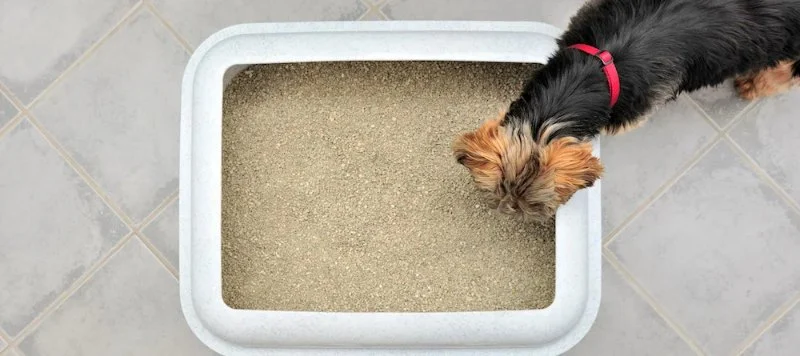
- dog-behavior-basics - Understanding why dogs eat cat litter and what it signals
- litter-box-placement - High-rise litter box installation strategies that actually work
- training-prevention - Behavior training methods to stop unwanted habits
- home-setup-safety - Creating a pet-safe shared living environment
- real-life-cases - Practical examples from multi-pet households
Why Dogs Are Drawn to Cat Litter in the First Place
When people first notice their dog sneaking into the litter box, the reaction is usually disbelief mixed with frustration. Yet this behavior is more common than most pet owners expect. Understanding the root cause is the first step in solving the issue of how to stop a dog from eating cat litter.
1. Natural Instincts and Curiosity
Dogs explore the world through smell and taste. Cat feces and litter often carry strong scent markers that trigger curiosity or scavenging instincts inherited from wild ancestors. In multi-pet homes, this becomes even more noticeable because cats leave behind highly concentrated odor cues.
2. Nutritional Gaps or Dietary Habits
In some cases, dogs may be lacking certain nutrients or simply attracted to waste because of residual protein content. While not always the cause, diet imbalance can intensify this behavior.
3. Behavioral Reinforcement
If a dog discovers the litter box once and finds it rewarding—whether through taste, attention, or boredom relief—the behavior can repeat and become a habit.
Why This Behavior Is More Serious Than It Looks
Although it may seem like a “gross but harmless” habit, eating cat litter can lead to digestive blockages, bacterial infections, or parasite exposure. Veterinarians often report emergency visits related to litter ingestion, especially in puppies and small breeds.
Health Risks You Should Not Ignore
Clumping litter can expand inside the digestive tract, creating serious obstructions. Meanwhile, contaminated litter may carry harmful bacteria like toxoplasma or E. coli.
Household Hygiene Concerns
Beyond the dog’s health, this behavior affects the cleanliness of your entire home. Odors spread more quickly, and litter tracking increases significantly.
High-Rise Litter Box Installation Tips That Actually Work
One of the most effective environmental solutions is changing where the litter box is placed. A properly designed elevated or “high-rise” litter box setup can significantly reduce access for dogs while keeping cats comfortable.
1. Elevation Strategy: Out of Reach but Not Inconvenient
Cats are natural climbers, while most dogs struggle with vertical barriers. Installing the litter box on a raised platform, countertop corner, or dedicated wall shelf can instantly reduce access.
2. Entry Control Design
Some households use cat-sized entry openings or step-up platforms that only cats can comfortably use. This physical separation is one of the most reliable deterrents.
3. Room Selection Matters
Laundry rooms, bathrooms, or enclosed utility spaces often work best. These locations allow for controlled access while maintaining airflow and privacy for the cat.
4. Stability and Safety Considerations
A poorly installed elevated litter box can create accidents. Always ensure the structure is stable, slip-resistant, and easy for cats to access without stress.
Behavior Training Techniques That Support Long-Term Success
While environmental changes are powerful, behavior training is equally important. The goal is not just to block access but to reshape habits.
1. Redirection Training
When a dog approaches the litter box area, calmly redirect them to an alternative activity such as a chew toy or structured play. Consistency is key.
2. Positive Reinforcement
Rewarding the dog when they ignore the litter box helps build new associations. Over time, the behavior naturally fades.
3. Controlled Environment Exposure
Gradually allowing the dog near the litter box under supervision helps reduce obsession and teaches boundaries.
Real-Life Household Case: When Separation Changed Everything
A multi-pet household in Oregon reported ongoing issues with a Labrador repeatedly accessing the cat litter box. Despite training attempts, the behavior persisted for months.
The breakthrough came when the owners installed a high-rise litter box system on a custom-built shelf unit in the laundry room. Combined with a baby gate and cat-only entry step, the dog completely lost access within days. Within two weeks, the behavior stopped entirely.
This case highlights how environmental design often solves what training alone cannot.
Creating a Balanced Multi-Pet Home Without Conflict
Living with both cats and dogs does not have to mean constant supervision stress. A thoughtful setup can dramatically improve harmony.
Space Zoning Strategy
Designating separate zones for feeding, resting, and elimination helps reduce territorial overlap.
Routine Consistency
Predictable feeding and cleaning schedules reduce curiosity-driven behavior from dogs.
Environmental Enrichment
Bored dogs are more likely to explore restricted areas. Providing stimulation through toys, walks, and training sessions helps prevent unwanted habits.
When You Need Extra Help or Better Solutions
Sometimes, despite best efforts, households need more structured support or better-designed products. In these cases, exploring professional-grade solutions can make a difference.
Platforms like Brothers Pets offer curated pet behavior tools, litter box systems, and training accessories designed specifically for multi-pet homes. Choosing the right setup early can save months of frustration and improve long-term safety for both pets.
Building a Safer Routine That Lasts
The combination of environmental design, behavioral training, and consistent supervision forms the foundation of success. Learning how to stop a dog from eating cat litter is not about punishment—it is about structure, prevention, and understanding natural instincts.
Once the right system is in place, most households see a dramatic improvement within days to weeks. The key is consistency and choosing solutions that fit your specific home layout and pet behavior patterns.






 Bella SPCA Non-Profit Veterinary Hospital4.0 (403 reviews)
 BLUE CROSS PET HOSPITAL4.0 (346 reviews)
 The Wellwood Pigeon Store4.0 (118 reviews)
 Omaha Animal Hospital4.0 (226 reviews)
 Banfield Pet Hospital4.0 (142 reviews)
 Tailwag Cattery Exotic Shorthair Breeders1.0 (1 reviews)
 How to Treat and Prevent Flea Infestations in Pets
 Beginner's Guide to Pet Behavior: Understanding Your Furry Friend
 Parasite Prevention: What Vets Want You to Know - Expert Tips for Pet Care
 How to Keep Your Pet’s Nails Trimmed and Healthy
 How to Keep Your Pet’s Coat Free from Tangles and Mats
 How to Recognize and Treat Symptoms of Kidney Disease in Pets