
- early-warning-dog-imha-symptoms-pale-gums-lethargy-emergency-signs
- what-immune-mediated-hemolytic-anemia-means-for-dogs-and-blood-destruction-process
- how-vets-diagnose-canine-imha-blood-tests-and-emergency-evaluation
- treatment-options-for-immune-mediated-hemolytic-anemia-in-dogs-and-recovery-journey
- real-case-story-of-dog-anemia-emergency-and-what-pet-owners-missed
- when-to-seek-immediate-veterinary-care-for-pale-gums-and-lethargy
When a Dog’s Energy Drops Suddenly: Why It Should Never Be Ignored
One of the most unsettling experiences for any pet owner is watching a normally energetic dog suddenly slow down. They stop greeting you at the door, avoid play, and sleep far more than usual. While fatigue can sometimes be harmless, certain changes point toward something far more serious. Among the most critical conditions to recognize is immune mediated hemolytic anemia, often abbreviated as IMHA.
This condition doesn’t develop gradually like many chronic illnesses. Instead, it can appear almost overnight, and the body begins attacking its own red blood cells. That means oxygen delivery throughout the body drops quickly, and organs begin to struggle. Understanding dog immune mediated hemolytic anemia symptoms early can make the difference between recovery and a life-threatening emergency.
How Immune Mediated Hemolytic Anemia Actually Works in Dogs
At its core, IMHA is an autoimmune disorder. The immune system, which is supposed to protect the body from infections, mistakenly identifies red blood cells as threats. It then destroys them faster than the body can replace them.
When this happens, oxygen levels in tissues decline. The dog may look tired, weak, or even confused. Because red blood cells carry oxygen, their sudden loss affects nearly every organ system. This is why early recognition is critical.
Veterinarians often compare this condition to “internal blood loss without visible bleeding,” which makes it especially dangerous because owners may not immediately understand what is happening.
Dog Immune Mediated Hemolytic Anemia Symptoms That Should Never Be Ignored
One of the earliest and most recognizable warning signs is pale gums. Healthy gums should appear pink and moist. When oxygen levels drop, they may turn white, gray, or even yellowish in severe cases. This is often paired with lethargy, where the dog appears unusually tired or weak.
Another major symptom is rapid breathing or panting at rest. The body attempts to compensate for low oxygen by increasing respiration. Some dogs may also collapse after minimal activity, which is often mistaken for exhaustion rather than a medical emergency.
Other symptoms can include:
Dogs may develop dark or orange-colored urine due to breakdown of red blood cells. Some show loss of appetite or sudden vomiting. In advanced cases, the abdomen may appear slightly swollen due to an enlarged spleen or liver response.
Why Pale Gums and Lethargy Signal a Medical Emergency
Pale gums combined with lethargy are not subtle warnings in IMHA cases—they are red flags requiring immediate attention. These signs indicate that oxygen delivery has already been significantly compromised.
A real-world case often discussed in veterinary emergency forums involved a young Labrador named “Milo.” His owner noticed mild tiredness one evening but assumed it was from heat. By the next morning, his gums had turned pale white, and he struggled to stand. Emergency treatment revealed severe IMHA requiring immediate hospitalization and blood transfusion.
Cases like Milo’s show how quickly the condition can escalate. Waiting even a few hours can dramatically change the outcome.
What Happens at the Veterinary Clinic During an Emergency Evaluation
When a dog arrives with suspected IMHA, veterinarians act quickly. The first step is usually a physical examination focusing on gum color, heart rate, and breathing patterns. Blood tests follow immediately.
A complete blood count (CBC) helps determine red blood cell levels. In IMHA cases, these numbers are often dangerously low. A blood smear may also show abnormal or damaged cells, confirming immune destruction.
In some situations, imaging tests such as ultrasound are used to check for enlarged organs or rule out internal bleeding. The goal is not just diagnosis but stabilization as quickly as possible.
Treatment Approaches and What Recovery Really Looks Like
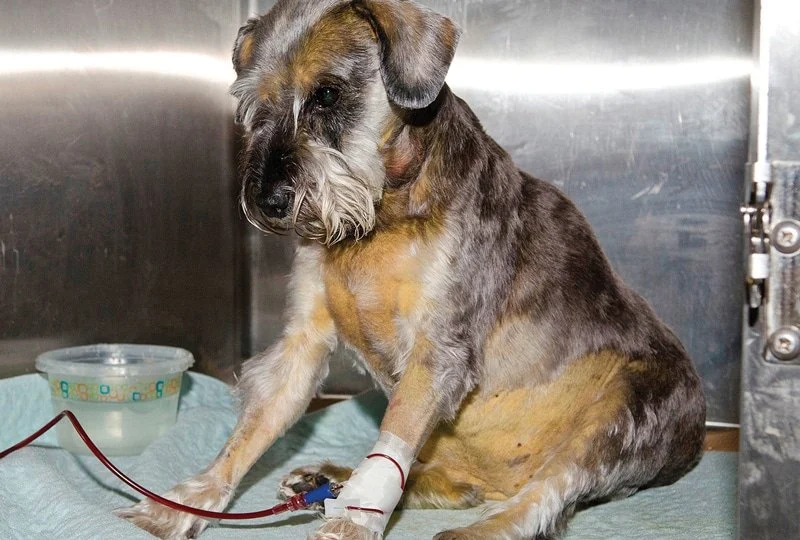
Treatment for immune mediated hemolytic anemia in dogs is often intensive. Most dogs require hospitalization for monitoring, oxygen support, and fluid therapy. The primary goal is to stop the immune system from destroying red blood cells.
Veterinarians typically prescribe immunosuppressive medications. In severe cases, blood transfusions are necessary to stabilize oxygen levels. Recovery depends on how quickly treatment begins and how the dog responds to medication.
Even after leaving the hospital, dogs require long-term monitoring. Relapses can occur, especially during the early recovery period. Pet owners are usually instructed to watch closely for changes in energy, gum color, and appetite.
For ongoing support and pet wellness essentials that help during recovery, many owners explore resources like Brothers Pets, which offers helpful products and care guidance for dogs dealing with medical conditions.
Real-Life Case Reflection: The Morning That Changed Everything
A common story shared by dog owners involves subtle changes being ignored at first. One owner noticed her mixed-breed dog seemed “off” for two days—less playful, slightly quieter, but still eating. On the third day, she saw pale gums and rushed to emergency care.
The diagnosis confirmed IMHA. The veterinarian explained that the immune system had likely begun attacking red blood cells days earlier. Early signs were present but easy to miss.
This type of story is not rare. It reinforces a critical lesson: dogs rarely show dramatic symptoms at the beginning. Instead, they give small hints that escalate quickly.
When to Treat Symptoms as Immediate Emergency Signals
Any combination of pale gums and lethargy should be treated as urgent. If these signs appear alongside rapid breathing, collapse, or dark urine, it is essential to seek veterinary care immediately.
Waiting to “see if it improves” is risky in suspected IMHA cases. The condition can progress rapidly, and early intervention significantly improves survival rates.
Understanding dog immune mediated hemolytic anemia symptoms empowers owners to act quickly and confidently when something feels wrong.
Why Awareness Matters More Than Ever
Modern veterinary medicine has improved outcomes for IMHA, but timing remains the most important factor. Awareness of subtle behavioral changes—especially lethargy and gum color shifts—can save lives.
Pet owners who educate themselves about canine anemia warning signs are often the ones who catch the condition early and ensure successful treatment outcomes.
Recognizing these symptoms is not about fear—it’s about preparedness. Dogs depend on their owners to notice what they cannot communicate.




 Vetco Vaccination Clinic1.0 (1 reviews)
 Killian Hill Animal Hospital4.0 (125 reviews)
 Four Seasons Veterinary Services4.0 (148 reviews)
 Vetco Vaccination Clinic4.0 (8 reviews)
 Petcare Express4.0 (1101 reviews)
 Western Veterinary Clinic4.0 (237 reviews)
 The Dos and Don'ts of Dental Care for Pets
 Understanding Pet Behavior: Training Tips and Techniques for a Happier Pet
 How to Recognize and Treat Skin Allergies in Cats: Expert Tips for Pet Owners
 What Every Pet Owner Should Know About Pet Travel
 How to Spot Early Signs of Cancer in Pets and What to Do Next
 Tips for Safe Outdoor Play for Indoor Cats