
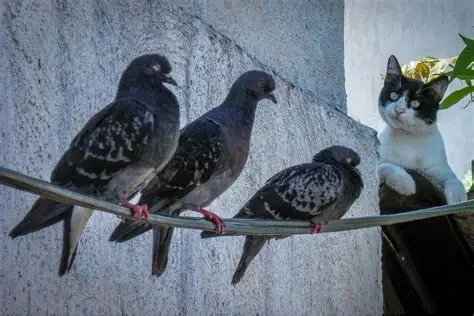
Why Does My Cat Chirp at Birds — Hunting Frustration Vocalization in Felines
- Understanding Cat Chirping and Chattering Behavior at Birds
- The Science Behind Hunting Frustration Vocalization in Cats
- How Feline Prey Drive Triggers Bird Watching Reactions
- Why Indoor Cats Chirp More Than Outdoor Cats
- Real Life Stories of Cats Chirping at Windows and Feeders
- Is Cat Chirping a Sign of Aggression or Excitement
- How to Support a Cats Natural Hunting Instinct Safely
- Environmental Enrichment to Reduce Frustration Behavior
- When Cat Chirping Might Indicate Stress or Overstimulation
- How Brothers Pets Helps Understand Feline Behavior Better
Understanding Cat Chirping and Chattering Behavior at Birds
If you have ever watched your cat sitting silently at a window, eyes locked onto a bird outside, followed by rapid chirps or strange clicking sounds, you are witnessing one of the most fascinating feline behaviors. Many owners ask why does my cat chirp in these moments, and the answer lies deep in instinct rather than communication.
This behavior, often called chirping or chattering, is a mix of excitement, focus, and instinctive hunting preparation. It usually occurs when a cat sees prey it cannot physically reach, such as birds outside a window or squirrels in a yard.
A pet owner in Oregon once described how their indoor cat spends hours watching a bird feeder, occasionally producing rapid, almost trembling vocal sounds. What looks playful is actually a complex neurological response tied to hunting instincts.
Understanding this behavior is the first step in decoding feline communication and emotional expression.
The Science Behind Hunting Frustration Vocalization in Cats
Hunting frustration vocalization in cats is a scientifically recognized behavior linked to prey drive and neurological stimulation. When a cat observes prey but cannot engage physically, the brain enters a conflicted state of excitement and frustration.
The chirping sound is thought to be a combination of jaw muscle activation and instinctive motor rehearsal. Some researchers suggest it may mimic the biting motion cats use when killing prey, which explains the rapid jaw movements often seen during chirping episodes.
In laboratory observations, cats exposed to bird videos or live prey simulations frequently display this same behavior pattern. It is not random—it is deeply embedded in their predatory biology.
This explains why even well-fed domestic cats still exhibit strong reactions when they see birds outside.
How Feline Prey Drive Triggers Bird Watching Reactions
Feline prey drive is one of the strongest instincts in domestic cats, and it is directly responsible for chirping behavior. Even indoor cats that have never hunted in the wild retain this instinct.
When a cat spots a bird, its sensory system enters a heightened state. Pupils dilate, body posture lowers, and attention becomes intensely focused. The chirping sound often appears at the peak of this excitement.
A cat owner in New York shared a video of their kitten “talking” rapidly at pigeons on a fire escape. The kitten never moved aggressively but remained fully engaged, demonstrating pure instinct rather than aggression.
This behavior reflects a natural hunting sequence that is interrupted by physical barriers such as glass or distance.
Why Indoor Cats Chirp More Than Outdoor Cats
Interestingly, indoor cats tend to chirp more frequently than outdoor cats. This is because they experience frustration without resolution. Outdoor cats may chase or hunt, completing the behavioral cycle.
Indoor environments create what experts call “incomplete hunting loops,” where observation occurs but action is impossible. This increases vocal expression like chirping and chattering.
For many cat owners, this behavior becomes most noticeable near windows or glass doors where birds and insects are visible but unreachable.
Providing controlled stimulation becomes essential for balancing this instinct.
Real Life Stories of Cats Chirping at Windows and Feeders
A viral social media clip from California showed a cat intensely chirping at hummingbirds outside a kitchen window. The owner noted that the cat would sit in the same spot every morning, completely absorbed in observation.
Another case involved a rescue cat in Texas that had never hunted before but still displayed strong chirping behavior whenever sparrows landed near a balcony feeder.
These real-life examples highlight how deeply ingrained hunting frustration vocalization is, even in cats with no hunting experience.
Owners often describe the behavior as “talking to birds,” but it is more accurately a reflection of instinctual drive.
Is Cat Chirping a Sign of Aggression or Excitement
One common misconception is that chirping indicates aggression. In reality, it is more closely related to excitement and anticipation.
Aggressive behaviors in cats typically involve hissing, growling, or defensive postures. Chirping, by contrast, is usually soft, rapid, and occurs while the cat is stationary.
It represents a moment of high cognitive engagement rather than hostility. The cat is mentally preparing for a hunt it cannot complete.
This distinction is important for understanding feline emotional states and preventing misinterpretation of normal behavior.
How to Support a Cats Natural Hunting Instinct Safely
Supporting a cat’s instincts does not require outdoor hunting. Instead, structured play can simulate the hunting cycle in a safe environment.
Interactive toys, feather wands, and motion-based games help satisfy prey drive without exposing cats to outdoor risks. These activities reduce frustration and decrease excessive chirping behavior.
A cat owner in Florida reported that introducing daily play sessions significantly reduced window-focused chirping within two weeks.
Resources like :contentReference[oaicite:0]{index=0} often provide guidance and products designed to enrich feline environments and support natural instincts.
Environmental Enrichment to Reduce Frustration Behavior
Environmental enrichment is essential for managing hunting frustration vocalization in indoor cats. This includes vertical climbing spaces, window perches, and puzzle feeders.
By expanding the cat’s environment, owners reduce boredom and provide alternative outlets for energy and curiosity.
Bird-watching stations near windows can also be enhanced with safe distance barriers, allowing cats to observe without excessive frustration.
These small environmental adjustments often lead to noticeable behavioral improvements.
When Cat Chirping Might Indicate Stress or Overstimulation
Although chirping is usually harmless, excessive or sudden changes in vocal behavior may indicate stress. Overstimulation from too many external stimuli can cause restlessness.
If chirping is accompanied by pacing, hiding, or loss of appetite, it may be worth evaluating environmental stress factors.
In most cases, however, chirping remains a normal expression of instinct rather than a behavioral problem.
Monitoring patterns helps distinguish between healthy curiosity and stress-related responses.
How Brothers Pets Helps Understand Feline Behavior Better
Understanding why cats chirp at birds is part of a broader journey into feline behavior and communication. Many pet owners discover that small behavioral cues reveal complex emotional and instinctive processes.
With educational resources and enrichment solutions, :contentReference[oaicite:1]{index=1} helps owners better interpret behaviors like chirping, chattering, and prey-focused attention.
By learning to recognize these patterns, cat owners can create healthier, more stimulating environments that respect natural instincts while reducing frustration.






 Heaven Can Wait Animal Society Wellness Clinic4.0 (39 reviews)
 And Toto Too Grooming4.0 (107 reviews)
 PetVet Vaccination Clinic0.0 (0 reviews)
 Veterinary Cardiology Consultants4.0 (18 reviews)
 Logan Animal Hospital4.0 (145 reviews)
 Pet Supplies Plus Clear Lake4.0 (562 reviews)
 How to Improve Your Pet’s Dental Health: Expert Tips and Daily Care
 Common Signs of Arthritis in Senior Cats: What to Look For and How to Help
 Top 13 Tips for Pet Health
 Top 11 Tips for Parasite Prevention in Pets | Safe & Effective Methods
 Choosing the Right Hypoallergenic Cat Food for Sensitive Stomachs
 Common Mistakes in Pet Health and How to Avoid Them - Expert Tips for Healthy Pets