
- - #what-is-canine-conjunctivitis-and-why-it-matters
- - #early-signs-and-visual-symptoms-you-should-never-ignore
- - #main-causes-behind-dog-pink-eye-in-real-life-situations
- - #how-veterinarians-diagnose-eye-infections-in-dogs
- - #treatment-options-from-home-care-to-clinical-solutions
- - #when-the-condition-becomes-serious-and-needs-urgent-care
- - #daily-care-and-prevention-strategies-for-long-term-eye-health
- - #real-world-cases-and-lessons-from-pet-owners
- - #choosing-trusted-pet-resources-and-products-with-brothers-pets
What Is Canine Conjunctivitis and Why It Matters
Understanding How to Tell If Your Dog Has Pink Eye — Conjunctivitis Symptoms and Treatment begins with knowing what is actually happening inside your dog’s eye. Medically known as
In dogs, this condition is more common than many pet owners realize. It can appear suddenly or develop slowly over time depending on the underlying cause. While some cases are mild and resolve quickly with proper care, others may indicate deeper issues such as allergies, infections, or even structural eye problems that require veterinary attention.
What makes this condition especially important is that dogs rely heavily on their vision for daily behavior—navigation, interaction, and even emotional stability. Any discomfort or vision impairment can significantly affect their quality of life. That is why recognizing early warning signs and acting quickly matters more than most owners initially assume.
Why early awareness can prevent complications
When inflammation is caught early, treatment is usually straightforward and highly effective. However, when ignored, it may escalate into corneal ulcers, chronic infections, or long-term sensitivity to light. Many pet owners mistakenly assume a mild eye discharge will disappear on its own, but in reality, delayed treatment is one of the most common reasons complications develop.
Early Signs and Visual Symptoms You Should Never Ignore
Recognizing symptoms is the most practical part of learning How to Tell If Your Dog Has Pink Eye — Conjunctivitis Symptoms and Treatment. Dogs cannot communicate discomfort in words, so the signs appear through behavior and visible changes.
Redness and swelling in the eye area
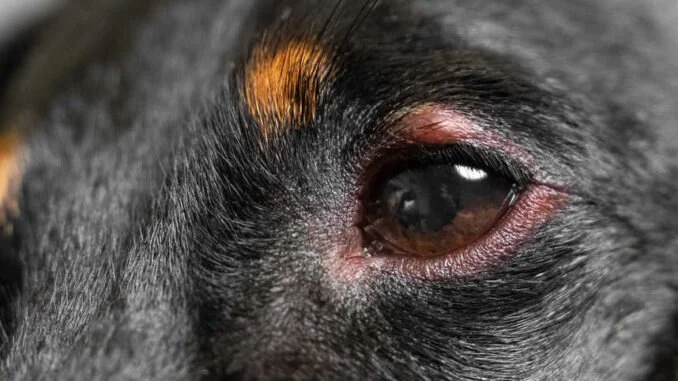
One of the earliest indicators is redness in the whites of the eyes. The blood vessels become more visible due to inflammation, giving the eye a pink or irritated appearance. Swelling around the eyelids may also appear, making your dog blink more frequently or keep the eye partially closed.
Unusual discharge patterns
Eye discharge can vary widely. It may be watery, mucus-like, or thick and yellowish depending on whether the cause is allergic, viral, or bacterial. A sudden increase in discharge, especially if it accumulates after sleep, should always be noted.
Behavioral changes that reveal discomfort
Dogs often rub their eyes with paws or against furniture when irritation occurs. Some may avoid bright light or become unusually sensitive during walks. Others may appear less playful or more irritable due to discomfort they cannot relieve.
Subtle signs owners often miss
Occasionally, symptoms are not obvious. Slight squinting, frequent blinking, or mild tearing can be early warnings. These subtle changes are often dismissed until the condition becomes more visible, which is why careful observation is essential.
Main Causes Behind Dog Pink Eye in Real-Life Situations
To fully understand How to Tell If Your Dog Has Pink Eye — Conjunctivitis Symptoms and Treatment, it is important to look at what triggers the condition in everyday environments. Dogs are exposed to a wide range of irritants and pathogens that humans may not immediately notice.
Environmental allergies and seasonal triggers
Pollen, dust, mold, and smoke are among the most common environmental triggers. Dogs living in urban areas or near parks with heavy vegetation may experience seasonal flare-ups. These allergic reactions often affect both eyes simultaneously and are accompanied by sneezing or skin irritation.
Bacterial and viral infections
Infectious causes can spread through contact with contaminated surfaces, other animals, or shared grooming tools. These infections tend to produce thicker discharge and may worsen quickly without treatment.
Foreign objects and physical irritation
Small particles such as sand, grass seeds, or even shampoo residue can irritate the eye surface. Dogs that love outdoor play are especially prone to this type of irritation. In some cases, the object may remain trapped, causing ongoing inflammation until removed.
Underlying health conditions
Sometimes eye inflammation is not the primary problem but a symptom of something deeper, such as immune disorders or eyelid abnormalities. Breeds with prominent eyes or long facial hair are more vulnerable to chronic irritation due to anatomical factors.
How Veterinarians Diagnose Eye Infections in Dogs
Professional diagnosis plays a key role in confirming whether a dog is experiencing conjunctival inflammation or another eye condition. Understanding this process helps owners appreciate why veterinary visits are essential in persistent or severe cases.
Physical eye examination and light testing
A veterinarian will typically begin with a detailed visual inspection using specialized lighting. This allows them to examine the cornea, eyelids, and tear production levels. Subtle abnormalities that are difficult to see at home become more visible under clinical tools.
Fluorescein staining for corneal assessment
A safe dye may be used to detect scratches or ulcers on the eye surface. This step is important because untreated corneal injuries can mimic or worsen conjunctival inflammation.
Sample collection for infection analysis
In cases suspected to be bacterial or viral, small samples of eye discharge may be collected. These samples help identify the exact cause, allowing targeted treatment rather than general medication.
Allergy and tear production tests
For recurring cases, tear production tests or allergy evaluations may be performed. These tests help identify chronic underlying conditions that require long-term management strategies.
Treatment Options From Home Care to Clinical Solutions
Treatment for canine eye inflammation varies depending on severity and cause. When exploring How to Tell If Your Dog Has Pink Eye — Conjunctivitis Symptoms and Treatment, it is important to understand that not all cases require the same approach.
Gentle at-home supportive care
Mild cases often benefit from simple cleaning routines using vet-approved saline solutions. Keeping the eye area clean helps reduce irritation and prevents buildup of discharge. Warm compresses can also provide comfort and improve drainage.
Prescription eye drops and ointments
Veterinarians may prescribe antibiotic or anti-inflammatory eye drops depending on the diagnosis. These medications target infection or reduce swelling and discomfort, helping the eye recover faster.
Managing allergies through environment control
If allergies are the root cause, treatment may involve reducing exposure to triggers. This could include air purification at home, regular bathing, and avoiding high-pollen areas during walks.
Protective measures during recovery
Some dogs may require an Elizabethan collar to prevent rubbing or scratching. Although it may seem uncomfortable, it is often necessary to prevent worsening of the condition.
When the Condition Becomes Serious and Needs Urgent Care
While many cases are mild, certain symptoms indicate a more serious issue. Recognizing these signs is critical when understanding How to Tell If Your Dog Has Pink Eye — Conjunctivitis Symptoms and Treatment.
Severe swelling or eye closure
If a dog is unable to fully open the eye or shows intense swelling, this may indicate deeper infection or injury.
Cloudiness or visible changes in the cornea
A cloudy appearance can signal corneal damage, which requires immediate veterinary care to prevent vision loss.
Persistent pain and vocal discomfort
Whining, constant pawing, or avoidance of light often indicates significant pain that should not be ignored.
Rapid worsening within 24–48 hours
Any fast progression of symptoms suggests an aggressive infection or foreign object that needs urgent removal or treatment.
Daily Care and Prevention Strategies for Long-Term Eye Health
Preventing recurrence is just as important as treating current symptoms. Many pet owners find that small daily habits make a significant difference in maintaining eye health.
Regular cleaning routines
Gently wiping the eye area with a clean, damp cloth helps remove dust and debris before they cause irritation. This is especially helpful for long-haired breeds.
Environmental awareness during outdoor activities
Avoiding overly windy or dusty environments can significantly reduce exposure to irritants. After outdoor walks, a quick facial check can help identify early signs of irritation.
Balanced nutrition for immune support
A healthy diet supports immune function, which plays a role in preventing recurring infections. Omega fatty acids and vitamins often contribute to better skin and eye health.
Routine veterinary checkups
Regular eye examinations help detect problems before they become serious. Early detection is one of the most effective prevention strategies available.
Real-World Cases and Lessons From Pet Owners
Many dog owners only fully understand the importance of eye health after experiencing a real incident. One common story involves a young Labrador that developed mild tearing after a beach trip. The owner assumed it was temporary irritation from saltwater. Within two days, the eye became swollen and produced thick discharge. A veterinary visit revealed a small grain of sand trapped under the eyelid, which required careful removal and medication.
Another case involved a small indoor dog that repeatedly developed eye redness during spring. The owner initially treated it with over-the-counter rinses, but symptoms kept returning. After professional testing, seasonal allergies were identified as the underlying cause, and a long-term management plan resolved the issue effectively.
These real-life examples highlight a common pattern: early symptoms are often underestimated, and proper diagnosis significantly improves outcomes.
Choosing Trusted Pet Resources and Products With Brothers Pets
When managing eye health issues like conjunctival inflammation, selecting reliable care products and guidance is essential. Many pet owners benefit from curated recommendations that help simplify decision-making.
Platforms like Brothers Pets can help you discover suitable pet care solutions, including cleaning supplies, recovery essentials, and supportive health products tailored for your dog’s specific needs. Instead of guessing what might work, having access to carefully selected options can make care routines more effective and less stressful.
Whether your dog is currently experiencing symptoms or you simply want to improve preventive care, having a trusted source of information and products can make a noticeable difference in long-term eye health management.




 Colonial Terrace Animal Hospital4.0 (662 reviews)
 Lindenhurst Animal Hospital4.0 (144 reviews)
 Rio Bravo Veterinary Hospital4.0 (528 reviews)
 PetVet365 Pet Hospital Cincinnati/Newport4.0 (164 reviews)
 A Central North Animal Hospital4.0 (229 reviews)
 Shane Veterinary Medical Center4.0 (370 reviews)
 Avoid These Common Pet Safety Mistakes and Keep Your Pet Protected
 What Every Pet Owner Should Know About Pet Fitness: A Complete Guide
 How to Make Your Pet's Vet Visit Less Stressful
 Dog Grooming Tips for Maintaining a Healthy Coat | Brothers Pets
 How to Manage and Prevent Seasonal Pet Allergies
 How to Clean Your Cat’s Ears Safely at Home: A Step-by-Step Guide