
- ringworm-symptoms-dogs-early-warning-signs
- yeast-infection-dog-skin-overgrowth-causes
- sporotrichosis-dog-fungal-disease-risks
- diagnosis-treatment-veterinary-care-steps
- prevention-dog-skin-health-daily-care
Understanding Dog Fungal Skin Infections and Why Early Signs Matter
Dog fungal skin infections symptoms often start quietly, showing up as small patches of irritation or subtle changes in coat texture. Many pet owners mistake these early signs for dry skin, allergies, or minor scratching habits. However, fungal infections such as ringworm, yeast infections, and sporotrichosis can spread quickly if not addressed early.
A real-world example often seen in veterinary clinics involves dogs adopted from shelters. One common case includes a rescued Labrador mix that developed circular bald spots within two weeks of adoption. The owner assumed it was stress-related shedding, but it was later diagnosed as ringworm. This highlights how easily fungal conditions can be overlooked.
Ringworm in Dogs: The Most Misunderstood Skin Infection
What Ringworm Actually Is (And What It Is Not)
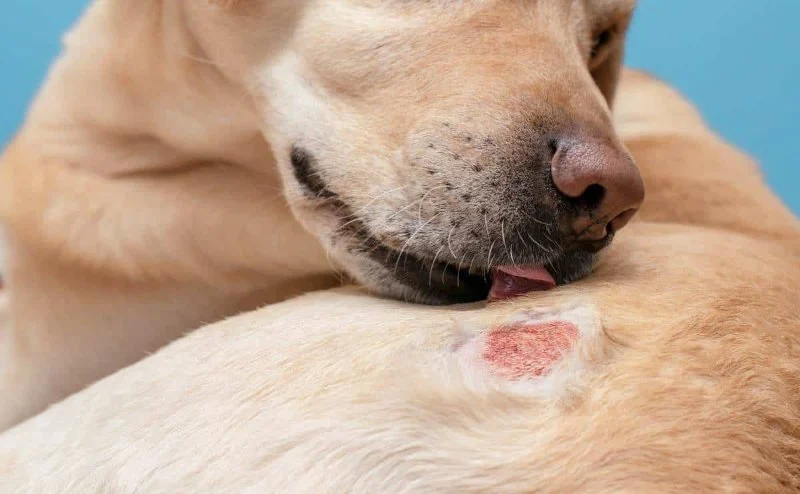
Despite its name, ringworm is not a worm. It is a contagious fungal infection that affects the skin, hair, and sometimes nails. The most recognizable dog fungal skin infections symptoms of ringworm include circular hair loss, scaly patches, and brittle fur.
The infection spreads through direct contact with infected animals, contaminated bedding, or even soil. Puppies and dogs with weakened immune systems are especially vulnerable.
Early Warning Signs Pet Owners Should Never Ignore
Ringworm symptoms often begin subtly. Small crusty patches around the ears, face, or paws may appear first. Over time, these areas expand into ring-shaped lesions. Itching may or may not be present, which is why many owners miss early detection.
A commonly reported situation in grooming salons involves dogs that appear perfectly healthy during grooming sessions but later develop ringworm lesions after exposure to shared tools or environments.
Yeast Infections in Dogs: When Normal Skin Flora Becomes a Problem
How Yeast Overgrowth Happens
Yeast infections occur when the natural balance of microorganisms on a dog’s skin is disrupted. Warm, moist environments such as ears, paws, and skin folds become breeding grounds. This is one of the most overlooked dog fungal skin infections symptoms because it often resembles allergies.
Dogs with chronic ear scratching or a strong “musty” odor may be suffering from yeast overgrowth rather than simple irritation.
Recognizing Yeast Infection Symptoms in Real Life
Symptoms include greasy skin, redness between toes, constant licking of paws, and darkened skin patches. Some owners describe the smell as similar to corn chips or moldy bread.
In one common case shared by pet owners online, a French Bulldog repeatedly chewed its paws for months before a vet confirmed a severe yeast infection triggered by humidity and diet imbalance.
Sporotrichosis in Dogs: A Less Common but Serious Fungal Disease
Understanding How Sporotrichosis Spreads
Sporotrichosis is caused by fungi found in soil, plants, and organic matter. Dogs typically become infected through scratches or wounds exposed to contaminated environments. Compared to ringworm and yeast infections, it is less common but more serious.
This condition is part of a broader category of dog fungal skin infections symptoms that require immediate veterinary attention due to its ability to spread through deep tissue layers.
Key Signs That Indicate Something More Serious
Symptoms may include nodules under the skin, slow-healing wounds, and lesions that drain fluid. Unlike ringworm, these lesions do not form neat circular patterns and often worsen over time.
Veterinarians often stress the importance of early diagnosis because untreated sporotrichosis can spread internally and require long-term antifungal treatment.
How Veterinarians Diagnose Fungal Skin Conditions
Clinical Examination and Laboratory Testing
Diagnosis typically begins with a physical exam followed by skin scrapings, fungal cultures, or microscopic evaluation. A Wood’s lamp test may be used for suspected ringworm cases.
One important detail many pet owners don’t realize is that multiple fungal infections can mimic each other. This is why professional testing is essential instead of relying on visual assumptions.
Why Misdiagnosis Is Common at Home
Because dog fungal skin infections symptoms overlap with allergies, fleas, and bacterial infections, self-diagnosis often delays proper treatment. This delay can make infections worse and more expensive to treat later.
Treatment Options and Recovery Process for Fungal Infections
Topical Treatments and Medicated Shampoos
Mild cases of ringworm or yeast infections may be treated with antifungal creams or medicated shampoos. Regular bathing helps reduce fungal load on the skin and prevents spread.
Some veterinarians recommend combining topical treatments with environmental cleaning to eliminate spores from bedding and furniture.
Oral Medications for More Severe Cases
For deeper or persistent infections, oral antifungal medications may be prescribed. Treatment duration can last several weeks depending on severity.
A well-known case involved a multi-dog household where ringworm spread between pets due to shared bedding. Full recovery required coordinated treatment across all animals in the home.
Preventing Future Outbreaks Through Daily Care
Environmental Hygiene and Routine Maintenance
Keeping your dog’s living environment clean is essential. Regular washing of bedding, grooming tools, and floors significantly reduces the risk of reinfection.
Humidity control also plays a major role in preventing yeast overgrowth, especially in warm climates or during summer months.
Nutrition and Immune Support
A balanced diet supports skin health and strengthens the immune system. Dogs with poor nutrition are more susceptible to recurring fungal issues.
Pet owners often notice improvement when switching to high-quality food combined with vet-approved supplements.
When to Seek Professional Help Without Delay
If symptoms persist for more than a few days or worsen despite home care, it is important to consult a veterinarian. Rapid progression of lesions or spreading hair loss should always be treated as urgent.
Pet owners who want reliable guidance and trusted pet health resources often turn to platforms like Brothers Pets, where they can explore treatment-support products and care solutions designed for skin health and fungal prevention.
Final Thoughts on Managing Canine Fungal Skin Conditions
Understanding dog fungal skin infections symptoms is not just about identifying visible signs—it is about recognizing subtle behavioral and physical changes early. With proper awareness, timely treatment, and consistent care, most fungal infections can be managed effectively without long-term complications.





 Banfield Pet Hospital4.0 (68 reviews)
 Banfield Pet Hospital3.0 (152 reviews)
 Fremont Animal Hospital4.0 (266 reviews)
 Sonoran Foothills Pet Clinic4.0 (153 reviews)
 Muddy Creek Veterinary Service4.0 (109 reviews)
 All Pets Vet Hospital4.0 (258 reviews)
 What Every Pet Owner Should Know About Pet Behavior – A Practical Guide
 How to Recognize and Treat Skin Allergies in Cats
 How to Calm Anxious Pets During Fireworks: Expert Tips for Pet Owners
 Is Your Pet Insurance Coverage on Track? What Every Owner Should Know
 The Dos and Don'ts of Pet Behavior: Expert Tips for Training and Bonding
 How to Improve Your Puppy & Kitten Care: Essential Tips for New Pet Owners