
- cat-acne-symptoms-on-chin - Early warning signs and how to recognize feline chin acne
- feline-chin-acne-treatment-at-home - Safe home care routines and cleaning methods
- cat-chin-blackheads - Why blackheads form and what they mean for skin health
- cat-acne-causes - Common triggers behind chin acne in cats
- how-to-treat-cat-acne - Step-by-step treatment approach for mild cases
- pet-skincare-cats - Long-term skincare habits for prevention
Understanding What Cat Chin Acne Really Looks Like in Everyday Life
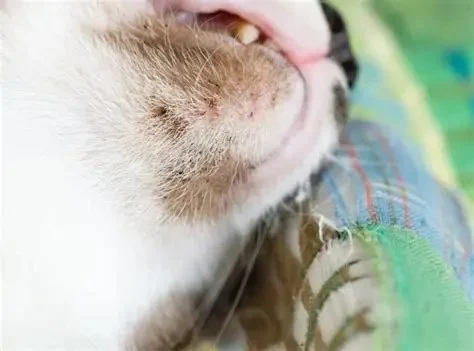
Most cat owners don’t notice feline chin acne until it becomes visually obvious. It often starts subtly: tiny black dots under the chin that resemble dirt but don’t wipe off easily. These are commonly referred to as cat chin blackheads, and they are actually clogged hair follicles filled with keratin and oil buildup.
In real-world pet care, many owners confuse early cat acne symptoms on chin with simple food stains or dust. However, when a cat repeatedly scratches or rubs its chin on furniture, or when the skin starts to feel rough or bumpy, it often signals a developing skin issue rather than just external dirt.
A common example seen in households is a young indoor cat using plastic food bowls daily. Over time, owners notice dark specks under the chin that gradually turn into inflamed bumps. This is one of the most frequently reported scenarios in feline skincare discussions.
Main Causes Behind Feline Chin Acne and Why It Happens
Blocked Hair Follicles and Oil Overproduction
One of the primary cat acne causes is excessive sebum production combined with blocked follicles. Cats naturally produce oils to protect their skin, but when buildup occurs, pores become clogged and visible acne appears.
Plastic Bowls and Bacterial Growth
Veterinary observations often link acne flare-ups to plastic feeding bowls. The surface of plastic can hold bacteria even after washing, which increases irritation on sensitive chin skin. Switching to ceramic or stainless steel often reduces recurrence significantly.
Stress and Immune Response Fluctuations
Stress can weaken a cat’s skin barrier. Environmental changes, new pets, or relocation may indirectly contribute to acne flare-ups. While not the sole cause, stress often worsens existing conditions.
Recognizing Cat Acne Symptoms on Chin Before It Gets Worse
Early Stage Signs
At the beginning, symptoms are subtle: small black dots, mild redness, and slightly greasy fur around the chin. Many owners mistake this stage for dirt buildup.
Moderate Progression Signs
As the condition develops, the chin may appear swollen or irritated. Small pimples or pustules may form, and cats might begin scratching or rubbing the area more frequently.
Advanced Symptoms That Require Attention
In more serious cases, hair loss, bleeding scabs, and painful inflammation can occur. At this stage, professional evaluation becomes important to avoid secondary infection.
How to Treat Feline Chin Acne at Home Safely and Effectively
Gentle Daily Cleaning Routine
The first step in feline chin acne treatment at home is maintaining hygiene. Use a soft cloth or cotton pad with warm water to gently clean the chin area once or twice daily. Avoid harsh scrubbing, as it can worsen irritation.
Many pet owners report visible improvement within one to two weeks when consistent cleaning is combined with environmental adjustments.
Switching Feeding Accessories
Replacing plastic bowls with stainless steel or ceramic can significantly reduce bacterial exposure. This simple change often plays a major role in how to treat cat acne effectively long-term.
Using Vet-Approved Cleansers
Mild antiseptic wipes or pet-safe cleansers recommended by veterinarians help reduce bacterial buildup. Always avoid human acne products, as they can be toxic to cats.
Real-Life Case: A Rescue Cat With Recurring Chin Acne
A rescue cat named Milo developed persistent chin acne symptoms on chin shortly after adoption. His new owner initially assumed it was stress-related shedding. However, over time, small blackheads turned into inflamed bumps.
After switching from plastic bowls to stainless steel and introducing a gentle cleaning routine twice a day, Milo’s condition improved noticeably within three weeks. This case highlights how small environmental changes can have a major impact on feline skin health.
Preventing Future Breakouts Through Smart Pet Care Habits
Maintaining Clean Feeding Areas
Keeping feeding zones clean reduces bacterial exposure. Bowls should be washed daily, and water should be refreshed frequently to maintain hygiene standards.
Monitoring Early Skin Changes
Regularly checking your cat’s chin helps detect issues before they escalate. Early intervention is one of the most effective strategies in pet skincare cats management.
Balanced Diet and Skin Health
A nutrient-rich diet supports healthy skin function. Omega fatty acids, in particular, help reduce inflammation and support a stronger skin barrier.
When Home Care Is Not Enough
If symptoms persist despite consistent care, or if infection signs appear, veterinary evaluation is necessary. Severe cases may require medicated treatments or topical antibiotics.
For pet owners looking for trusted guidance, grooming tools, and skincare solutions tailored for cats, resources like Brothers Pets can help explore suitable care options and preventive products designed for feline health.
Building a Long-Term Skin Health Routine for Cats
Consistency is the key factor in preventing recurrence. Simple habits like cleaning the chin area weekly, using appropriate bowls, and observing behavioral changes can significantly reduce the risk of acne flare-ups.
Over time, understanding your cat’s skin sensitivity helps you respond faster to early signs, making management easier and less stressful for both pet and owner.





 Lexington-Bedford Animal Control3.0 (5 reviews)
 Hamburg Animal Hospital4.0 (133 reviews)
 Vetco Vaccination Clinic4.0 (7 reviews)
 Five County Spay and Neuter Clinic4.0 (286 reviews)
 North Houston Veterinary Ophthalmology4.0 (131 reviews)
 Animal Clinic of Monett4.0 (296 reviews)
 Signs Your Senior Cat May Have Kidney Problems
 How to Create a Pet-Friendly Environment at Home – Essential Tips for Your Furry Friends
 How to Safely Introduce Your Dog to Swimming: Expert Tips and Advice
 Understanding and Managing Urinary Issues in Dogs | Expert Care Tips
 How to Stop a Cat From Scratching the Couch with Furniture Protectors & Scratch Pads
 Pet Travel: What Vets Want You to Know Before You Go