
When Your Dog’s Eyes Start Acting Strange: Spotting the Early Signs of Eye Inflammation
- red-eye-warning-signs - How redness and irritation show up in early stages
- squinting-and-discomfort - Why dogs keep closing or rubbing their eyes
- gooey-discharge-patterns - What eye discharge actually means in dogs
- real-case-scenarios - Everyday situations where symptoms are often missed
- treatment-and-next-steps - What responsible pet owners should do next
Understanding What Dog Conjunctivitis Actually Is
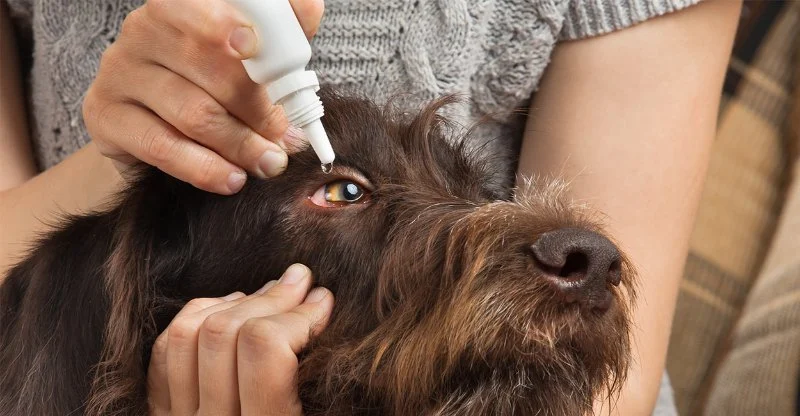
Dog conjunctivitis is a common eye condition where the thin tissue covering the eye becomes inflamed. Many pet owners first notice something is wrong when they see red eye in dogs paired with unusual blinking or discomfort.
It can appear suddenly or develop gradually, often mistaken for simple irritation from dust or wind. However, ignoring early symptoms can make the condition worse and more uncomfortable for your pet.
In many cases seen at clinics, owners initially assume their dog just “got something in their eye,” only to later discover a more persistent infection requiring treatment.
Red Eyes: The First Signal Something Isn’t Right
How Redness Develops in the Eye
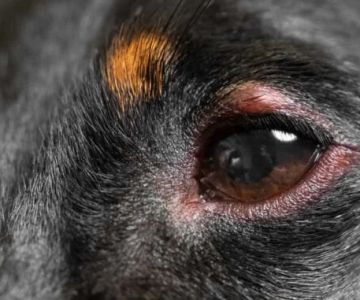
One of the earliest and most visible signs of dog conjunctivitis is redness. This happens when blood vessels in the conjunctiva expand due to irritation or infection.
The redness can range from a faint pink tint to a deep, noticeable irritation that makes the eye appear swollen or inflamed.
When Redness Becomes a Warning Sign
If the redness lasts more than a day or is accompanied by other symptoms like discharge or squinting, it is no longer simple irritation. It often signals a developing infection that needs attention.
Squinting and Eye Rubbing: Signs of Discomfort You Shouldn’t Ignore
Dogs rarely express pain directly, so behavior changes become important clues. One of the most telling signs is frequent squinting or keeping one eye partially closed.
This behavior often indicates irritation or sensitivity to light, both common in early eye infections. You may also notice your dog rubbing their face against furniture or using their paws to scratch the eye area.
A pet owner once shared that her golden retriever started “winking” at her constantly, which she initially found cute—until she realized it was actually persistent discomfort from an untreated eye infection.
Gooey Discharge: What the Eye Is Trying to Tell You
Different Types of Eye Discharge
Discharge is one of the clearest indicators of eye problems. In mild cases, it may appear watery, but in more advanced infections, it becomes thick and sticky.
The presence of gooey discharge in dogs often suggests bacterial involvement or a more serious inflammation that should not be ignored.
Color and Texture Clues
Clear discharge might indicate mild irritation, while yellow or green discharge often points to infection. The texture can also become crusty around the eyelids, especially after sleep.
Real-Life Case: When a “Small Eye Issue” Turned Serious
A common story among pet owners involves underestimating early symptoms. One Labrador owner noticed slight redness but assumed it was seasonal allergies. Within days, the dog developed heavy discharge and kept one eye shut completely.
By the time they visited a veterinarian, the infection had progressed enough to require a full treatment plan rather than simple drops.
This is why understanding how to tell if dog has eye infection early can make a major difference in recovery time and comfort.
Common Causes Behind Dog Eye Infections
Environmental Irritants
Dust, pollen, smoke, and even shampoo residue can irritate a dog’s eyes. These factors are especially common in urban environments or during seasonal changes.
Bacterial and Viral Infections
In some cases, conjunctivitis is caused by bacteria or viruses that spread easily between dogs. This is more common in parks, kennels, or grooming facilities.
Underlying Health Issues
Sometimes eye problems are linked to deeper conditions such as allergies or immune system sensitivity. Identifying the root cause is essential for long-term relief.
When You Should Take Action Immediately
If your dog shows persistent redness, thick discharge, or repeated squinting for more than 24–48 hours, it is time to seek professional care.
Delaying treatment can lead to worsening discomfort and, in severe cases, long-term eye damage. Early intervention is always more effective and less stressful for your pet.
Many pet owners find guidance and preventive care tips through platforms like Brothers Pets, which helps them understand symptoms before they escalate into serious conditions.
What Treatment Usually Looks Like
Veterinary Eye Drops
Most mild cases are treated with medicated eye drops that reduce inflammation and fight infection.
Cleaning and Hygiene Care
Keeping the eye area clean helps prevent discharge buildup and speeds up recovery. Warm compresses are often recommended.
Monitoring Progress
Improvement is usually visible within a few days, but completing the full treatment course is essential to prevent recurrence.
Helping Your Dog Stay Comfortable at Home
While waiting for treatment or recovery, keeping your dog calm and preventing further irritation is key. Avoid exposure to dust or wind and discourage rubbing of the eye area.
Small changes in daily care can make a big difference in comfort and healing speed.

 Webster Veterinary Supply Inc4.0 (3 reviews)
 Southern Trails Vet4.0 (100 reviews)
 Tortoise Town Turtle Store3.0 (30 reviews)
 Veterinary Park Potomac4.0 (438 reviews)
 PetVet Vaccination Clinic0.0 (0 reviews)
 Savannah's Crossing Veterinary Hospital4.0 (321 reviews)
 How to Safely Introduce Your Pet to New Pets
 Benefits of Omega-3 Fatty Acids for Pets: Boosting Health and Wellness
 Preventing Bladder Infections in Cats with Proper Diet: Tips for Pet Owners
 How to Recognize and Treat Common Pet Poisonings
 Understanding Canine Diabetes and Dietary Needs | Managing Your Dog’s Health
 Signs Your Cat Needs Professional Dental Cleaning