
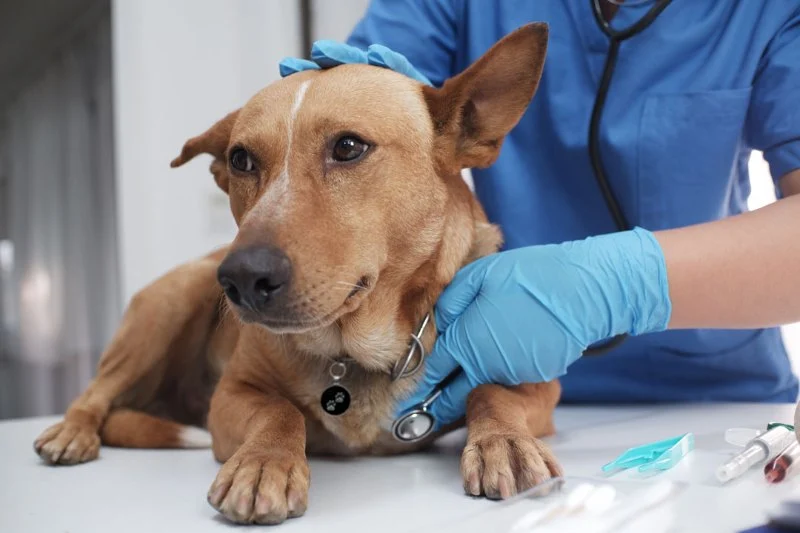
- Understanding the condition - what a portosystemic shunt means in dogs
- Early behavioral changes - subtle signs often mistaken for normal puppy behavior
- Physical symptoms - digestive, growth, and neurological warning signals
- Real case story - a small breed puppy misdiagnosed before liver shunt detection
- Diagnosis and care - what vets look for and how owners can respond early
What a Dog Portosystemic Shunt Really Means
A portosystemic shunt (PSS) in dogs is a serious but often misunderstood liver condition where blood bypasses the liver instead of being properly filtered. This means toxins that should be removed from the bloodstream circulate freely through the body, especially affecting the brain and digestive system.
In young small breed dogs, this condition is often congenital, meaning they are born with it. Breeds such as Yorkshire Terriers, Maltese, Shih Tzus, and Miniature Schnauzers are more frequently affected. Because symptoms can appear mild at first, many owners mistake early signs for simple puppy behavior.
Understanding dog portosystemic shunt symptoms early is critical because untreated cases can lead to severe neurological damage or even life-threatening complications.
Early Behavioral Changes That Are Often Missed
1. Unusual Tiredness After Eating
One of the earliest signs is lethargy after meals. Puppies with a liver shunt may seem normal at first, but shortly after eating, they become unusually sleepy, disoriented, or weak. This happens because toxins like ammonia are not being filtered by the liver.
2. Strange Neurological Behavior
Owners often describe their puppy “acting drunk” or confused. This may include staring into space, walking in circles, or sudden uncoordinated movements. These are early puppy neurological symptoms linked to toxin buildup in the brain.
3. Poor Appetite or Food Sensitivity
Some puppies show inconsistent eating habits. They may eat enthusiastically one day and refuse food the next. While this can seem like normal picky behavior, in the context of a liver shunt, it is often a warning sign.
Physical Symptoms That Signal a Liver Shunt in Dogs
Growth Problems in Small Breed Puppies
One of the most noticeable indicators is stunted growth. Puppies with congenital liver shunts often remain significantly smaller than their littermates. Despite eating well, their bodies are unable to process nutrients properly.
Digestive Issues That Keep Returning
Chronic vomiting, diarrhea, and excessive drooling are common. These symptoms may come and go, making it harder for owners to connect them to a deeper medical issue.
Increased Thirst and Urination
Some dogs may drink more water than usual or urinate frequently. This happens as the body attempts to flush out toxins that the liver is not filtering effectively.
Real Case: A Yorkie Misunderstood as a “Picky Puppy”
A real-world case often shared among veterinarians involves a 5-month-old Yorkshire Terrier named Milo. His owner initially thought he was simply a picky eater and slightly “lazy” compared to other puppies.
However, Milo began showing strange episodes after meals—stumbling, staring blankly, and sleeping excessively. At first, these behaviors were dismissed as overexcitement followed by exhaustion.
After weeks of recurring symptoms, a veterinary specialist diagnosed Milo with a congenital portosystemic shunt. Blood tests revealed elevated ammonia levels, confirming liver dysfunction. Early detection allowed dietary management and surgical planning, significantly improving his long-term prognosis.
This case highlights how easily dog portosystemic shunt symptoms can be mistaken for normal puppy behavior, especially in small breeds.
How Veterinarians Diagnose a Liver Shunt
Blood Work and Liver Function Testing
Initial screening often includes blood tests that measure bile acids and ammonia levels. Elevated results are strong indicators that the liver is not processing toxins correctly.
Advanced Imaging Techniques
Ultrasound or CT scans are used to identify abnormal blood vessel connections bypassing the liver. These imaging tools help confirm the presence and severity of the shunt.
Why Early Diagnosis Matters
Early detection can significantly improve treatment outcomes. In many cases, dietary management combined with surgical correction offers dogs a much better quality of life.
Managing a Dog with a Portosystemic Shunt
Dietary Adjustments
A low-protein diet is often recommended to reduce toxin production in the digestive system. Specialized veterinary diets help reduce stress on the liver while maintaining proper nutrition.
Medication Support
In some cases, medications are prescribed to reduce ammonia absorption and support liver function. These treatments are not curative but help stabilize symptoms.
Monitoring Behavior Closely
Owners are encouraged to track any changes in energy levels, eating habits, or coordination. Even small improvements or declines can help veterinarians adjust treatment plans.
Why Small Breed Dogs Are More Vulnerable
Small breed dogs are genetically more prone to congenital liver shunts due to hereditary vascular development issues. Breeds like Maltese and Yorkies are especially at risk.
Because of their size, symptoms also appear earlier and progress faster compared to larger breeds. This makes awareness of dog portosystemic shunt symptoms especially important for owners of toy breeds.
When to Seek Veterinary Help Immediately
If a puppy shows repeated neurological episodes, unexplained lethargy after eating, or stunted growth compared to littermates, immediate veterinary evaluation is necessary.
Early intervention can prevent irreversible brain damage caused by prolonged toxin exposure.
For pet owners looking for trusted guidance, resources and care recommendations are available through Brothers Pets, where you can explore health-focused products and supportive care options for dogs with special medical needs.
Living With a Dog Diagnosed With a Liver Shunt
While the diagnosis can feel overwhelming, many dogs live comfortable lives with proper management. Routine check-ups, controlled diet, and attentive observation play a major role in maintaining stability.
Owners often find that once they understand the condition, they become more confident in recognizing early warning signs and responding quickly.
 Aquatic Innovation4.0 (69 reviews)
 Pets Discount - Natural & Organic Pet Food4.0 (85 reviews)
 Scott City Animal Clinic4.0 (267 reviews)
 State Street Animal Hospital: Wollney Gwen DVM4.0 (6 reviews)
 Neighborhood Veterinary Clinic4.0 (452 reviews)
 Western Veterinary Clinic4.0 (97 reviews)
 How Annual Wellness Exams Can Add Years to Your Pet’s Life in the US
 How to Spot and Treat Canine Hip Dysplasia
 How to Help Your Pet Cope with Separation Anxiety During Travel
 How to Safely Administer Medication to Your Pet
 Why Is My Cat Sneezing a Lot? Causes, Symptoms & Treatment Guide
 Raw Food Diets for Pets: Pros, Cons, and Veterinary Opinions