
- dog-elbow-dysplasia-symptoms
- front-limb-lameness-in-large-breed-puppies
- what-causes-elbow-dysplasia
- early-warning-signs
- diagnosis-and-veterinary-evaluation
- treatment-and-management-options
- supporting-puppy-joint-health
Dog Elbow Dysplasia Symptoms Every Large Breed Puppy Owner Should Know
Watching a large breed puppy grow is an exciting experience. Their oversized paws, playful energy, and rapid development make every stage memorable. However, because large puppies grow so quickly, they are also more vulnerable to certain orthopedic conditions, including elbow dysplasia.
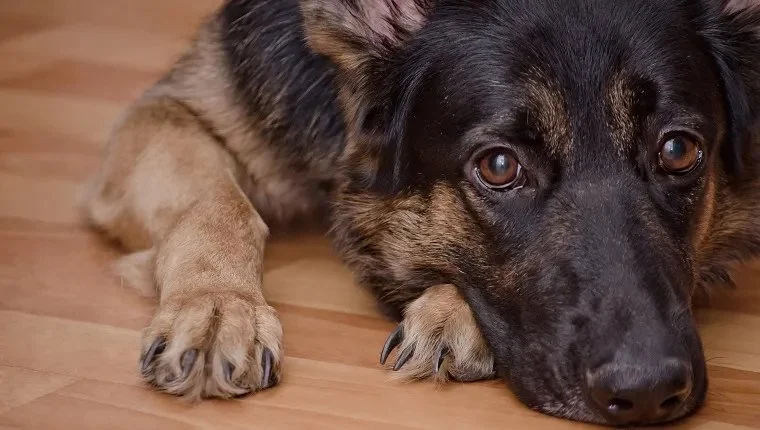
Dog elbow dysplasia symptoms can begin when puppies are still young, sometimes appearing as mild stiffness or occasional limping that owners may mistake for normal growing pains. While some temporary awkwardness is common during puppy development, repeated front leg discomfort should never be ignored.
Elbow dysplasia is a developmental disorder affecting the elbow joint. It occurs when the bones and cartilage within the joint do not develop or fit together correctly. Over time, this can create inflammation, pain, reduced mobility, and early arthritis.
For large breed puppies such as Labrador Retrievers, Golden Retrievers, German Shepherds, Bernese Mountain Dogs, and Rottweilers, early awareness is especially important. Their rapid growth places additional stress on developing joints, making early prevention and monitoring a major part of responsible pet care.
Why Early Recognition Can Change a Puppy’s Future
Many owners discover elbow dysplasia only after their puppy begins showing obvious difficulty walking. However, joint damage often develops gradually before severe symptoms appear.
A puppy that occasionally favors one front leg, avoids jumping, or becomes tired quickly during play may be showing early signs of joint discomfort. Recognizing these changes early allows owners and veterinarians to create a management plan before the condition progresses.
The goal is not only to reduce current discomfort but also to protect long-term mobility. A puppy with healthier joints has a better chance of enjoying normal activities throughout adulthood.
Understanding Front Limb Lameness in Large Breed Puppies
Front limb lameness is one of the most noticeable signs associated with elbow problems. Owners often describe it as a limp, uneven walking pattern, or a puppy appearing reluctant to put full weight on one front leg.
Unlike injuries caused by accidents, elbow dysplasia-related lameness often develops slowly. A puppy may run normally one day and appear slightly stiff the next. These inconsistent symptoms can make the problem difficult to identify.
1. Changes During Exercise
Many puppies with elbow issues show differences during or after physical activity. Common observations include:
- Limping after playing
- Stiffness after resting
- Less interest in running
- Difficulty getting up after lying down
- Avoiding stairs or jumping
Some owners notice their puppy seems fine during excitement but becomes uncomfortable afterward. This happens because activity increases stress on an already irritated joint.
2. The “Growing Puppy” Mistake
A common reason elbow dysplasia is overlooked is the assumption that puppies naturally move awkwardly while growing. Young dogs often appear clumsy, but persistent or worsening movement problems deserve attention.
Normal puppy behavior should improve as coordination develops. A puppy experiencing joint discomfort may instead show increasing hesitation, reduced activity, or repeated limping.
3. Differences Between Front Leg Injury and Joint Disease
A sudden injury usually has a clear cause, such as slipping, falling, or rough play. Elbow dysplasia is different because it develops from structural problems inside the joint.
The discomfort may appear gradually and affect both elbows, although one side may appear worse than the other. This is why professional evaluation is important when symptoms continue.
What Causes Elbow Dysplasia in Dogs?
Elbow dysplasia is not caused by a single factor. It develops from a combination of genetics, growth patterns, nutrition, and environmental influences.
1. Genetic Influence
Genetics play a major role in elbow development. Some breeds are naturally more prone to joint disorders because certain inherited traits affect bone formation and joint structure.
Responsible breeding practices help reduce risk, but even puppies from healthy parents can occasionally develop orthopedic conditions. This is why monitoring every large breed puppy remains important.
2. Rapid Growth and Development
Large breed puppies grow incredibly quickly during their first year. Their bodies must coordinate increasing body weight with developing bones and joints.
When growth happens too quickly or joints develop unevenly, extra pressure can occur inside the elbow. This may contribute to cartilage damage and inflammation.
3. Nutrition and Body Weight
Nutrition has a significant impact on puppy joint health. Overfeeding large breed puppies can encourage excessive growth and put unnecessary stress on developing joints.
Maintaining an appropriate body condition is one of the simplest ways owners can support healthy movement. A puppy should grow steadily rather than become overweight.
Early Warning Signs of Elbow Dysplasia in Puppies
The earliest signs of elbow dysplasia are often subtle. Paying attention to daily behavior can help owners recognize problems before they become severe.
1. Mild Limping or Uneven Walking
A puppy that repeatedly favors one front leg may be experiencing discomfort. Occasional limping after intense activity may seem minor, but repeated episodes should be monitored carefully.
2. Reduced Interest in Normal Activities
Puppies are usually energetic and curious. When a puppy suddenly becomes less playful, avoids chasing toys, or rests more than usual, joint discomfort could be affecting their behavior.
3. Difficulty Standing Up
Joint problems can make movements that require pushing through the front legs uncomfortable. Owners may notice their puppy takes longer to rise or appears stiff after sleeping.
4. Abnormal Sitting Position
Some puppies with elbow discomfort change their sitting posture to reduce pressure on their front joints. These small posture changes are easy to miss but can provide valuable clues.
(下一条继续 Part 2/2,完成剩余约1500+字正文并闭合
 Northside Animal Hospital4.0 (308 reviews)
 Lorena Veterinary Center4.0 (10 reviews)
 East Texas Pet Emergency Clinic4.0 (558 reviews)
 Ragdoll Kittens For You4.0 (29 reviews)
 Simonson Veterinary Services5.0 (14 reviews)
 VIP Petcare Vaccination Clinic0.0 (0 reviews)
 Understanding Pet Grooming Tools: What You Need for Effective Care
 How to Spot and Treat Endocrine Disorders in Pets
 The Dos and Don'ts of Pet Behavior: Expert Tips for Training and Bonding
 How to Introduce Multiple Cats to a Single Household: Expert Tips for a Smooth Transition
 How to Stop a Dog From Eating Cat Litter & High-Rise Litter Box Tips
 How to Recognize and Treat Arthritis in Senior Pets