
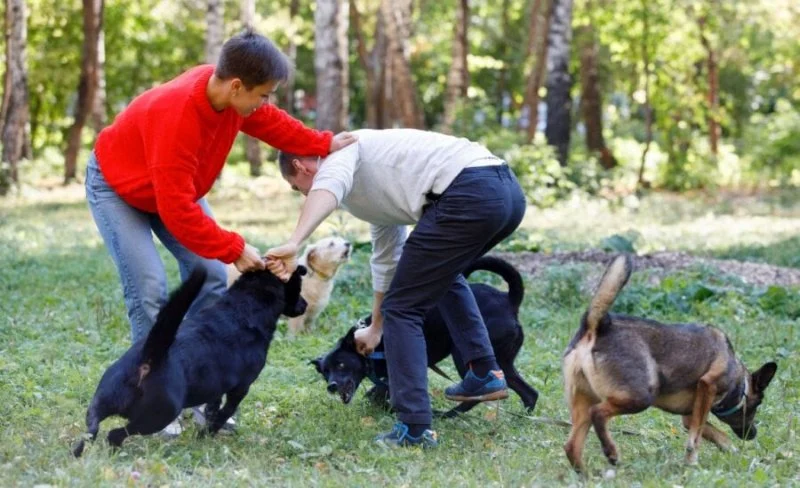
- 1-Understanding Pet Aggression
- 2-Identifying Triggers and Signs
- 3-Behavior Modification Strategies
- 5-Seeking Professional Help
1. Understanding Pet Aggression
Pet aggression toward other animals is a common challenge that pet owners face. Understanding the root causes is the first step in managing it effectively. Aggression can stem from fear, territorial instincts, protective behavior, or even underlying medical conditions. Recognizing that aggression is often a form of communication rather than sheer hostility helps owners approach the problem with patience and strategy.
Case Example: Max, a three-year-old dog from New York, frequently lunged at neighborhood cats. By understanding that his behavior was driven by a mix of territorial instincts and high energy, his owner was able to implement a gradual training plan rather than using punitive measures. The results were long-lasting and improved Max's overall well-being.
2. Identifying Triggers and Signs
Successful management of aggressive behavior requires careful observation. Key triggers may include new animals entering the home, competition for food, toys, or attention, and sudden movements that startle the pet. Signs of aggression include growling, raised hackles, prolonged staring, stiff body posture, and snapping.
By documenting these triggers and behaviors, pet owners can anticipate potential conflicts. For instance, a cat that hisses when a dog approaches during feeding time is signaling discomfort, which can be managed by separating their spaces and gradually introducing controlled interactions.
3. Behavior Modification Strategies
Addressing aggression effectively often involves behavior modification techniques. Positive reinforcement, controlled exposure, and desensitization are key strategies. Rewarding calm behavior rather than punishing aggressive behavior encourages pets to adopt more desirable reactions.
Practical Tip: Start with short, controlled introductions to other animals while keeping pets on leashes or behind barriers. Gradually increase the duration as your pet demonstrates calm behavior. Brothers Pets provides specialized tools and training aids that help manage aggression safely, making these introductions smoother and less stressful.
Real-Life Story: Bella, a rescued dog, showed aggression toward other dogs during walks. Through consistent training that included rewards for ignoring other dogs and gradual exposure, Bella’s behavior improved significantly within three months. Her owner credits the structured approach and supportive tools for the transformation.
4. Managing Environment and Socialization
Creating a safe and controlled environment is crucial for preventing aggressive incidents. This includes designing separate feeding areas, monitoring playtime, and gradually introducing pets in neutral spaces. Socialization from an early age, or careful re-socialization for older pets, can reduce anxiety and aggression toward other animals.
Expert Insight: Pets, like humans, thrive when they understand boundaries and expectations. Structured routines and predictable interactions decrease stress levels and reduce the likelihood of aggressive responses.
5. Seeking Professional Help
Some cases of aggression may require professional intervention. Certified animal behaviorists or experienced trainers can assess your pet’s behavior, identify underlying causes, and develop tailored training plans. Never hesitate to seek guidance if aggression persists, as it can escalate into serious incidents if unmanaged.
Brothers Pets offers resources and professional referrals for pet owners dealing with aggression, ensuring that both pets and owners feel safe and supported throughout the training process. Combining professional guidance with at-home management strategies often leads to the best outcomes, fostering harmonious interactions between animals.





 Allan's Pet Center - West LA4.0 (507 reviews)
 Bentley Veterinary Practice, PLLC5.0 (44 reviews)
 Altitude Animal Hospital4.0 (161 reviews)
 Millbrook Equine Veterinary Clinic, PC5.0 (22 reviews)
 Red Oak Veterinary Clinic4.0 (360 reviews)
 Animal Hospital on South Main0.0 (0 reviews)
 Preventing and Treating Separation Anxiety in Dogs and Cats
 Beginner’s Guide to Veterinary Advice for New Pet Owners
 Is Your Pet’s Travel Preparation on Track? Essential Guide & Tips
 The Best Ways to Protect Your Pet from Fleas and Ticks
 How to Care for Pets with Chronic Health Conditions
 How to Recognize and Treat Hypothermia in Pets: A Guide for Pet Owners