
- 1-Importance-of-Pet-Oral-Care
- 2-Common-Dental-Problems-in-Pets
- 3-Daily-Oral-Care-Routines
- 4-Professional-Dental-Treatments
- 5-Nutrition-and-Chew-Toys-for-Healthy-Teeth
- 6-Real-Life-Pet-Dental-Success-Stories
1. Importance of Pet Oral Care
Just like humans, pets require regular oral care to maintain healthy teeth and gums. Poor dental hygiene in pets can lead to plaque buildup, gum disease, and even systemic health issues such as heart or kidney problems. Establishing a dental routine early in your pet’s life is crucial for long-term health.
Experts at Brothers Pets emphasize that healthy teeth improve your pet’s ability to eat comfortably, maintain proper weight, and prevent chronic pain caused by dental disease.
2. Common Dental Problems in Pets
2.1 Plaque and Tartar Buildup
Without regular brushing, plaque can harden into tartar, causing bad breath and gum irritation. Dogs and cats are both susceptible, although tartar buildup tends to appear faster in dogs.
2.2 Gingivitis and Periodontal Disease
Inflamed gums and bleeding during chewing are early signs of gingivitis. If untreated, it may progress to periodontal disease, leading to tooth loss and infection. Early detection is key.
2.3 Tooth Fractures and Wear
Pets that chew on hard objects may fracture teeth, causing pain and difficulty eating. Regular dental checkups help detect these issues before they worsen.
3. Daily Oral Care Routines
3.1 Brushing Your Pet’s Teeth
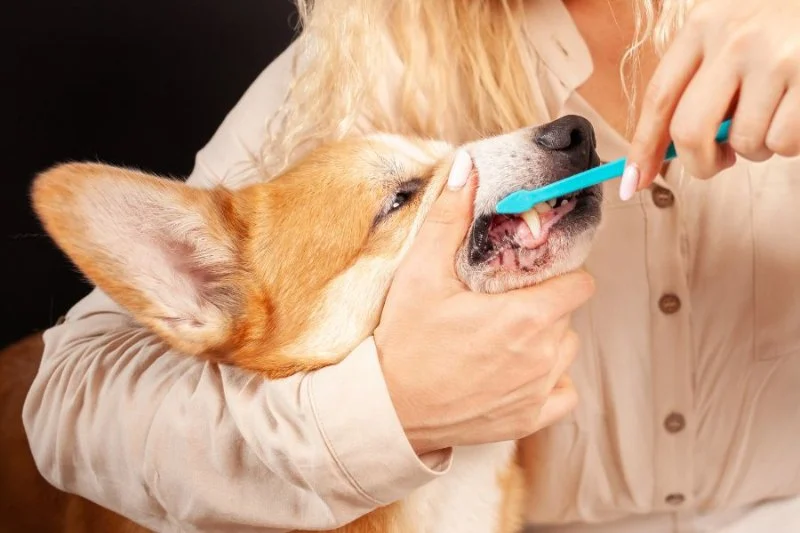
Use pet-specific toothbrushes and toothpaste. Brush in small, gentle circles, focusing on the gum line. Even a few minutes a day can drastically reduce plaque buildup.
3.2 Dental Wipes and Rinses
If brushing is challenging, dental wipes or water additives can help maintain oral hygiene. These products reduce bacteria and freshen breath.
3.3 Consistent Monitoring
Regularly check your pet’s teeth and gums for redness, swelling, or unusual odors. Early intervention prevents minor issues from becoming serious dental problems.
4. Professional Dental Treatments
4.1 Routine Veterinary Checkups
Annual dental exams allow veterinarians to detect hidden problems, including early-stage periodontal disease. Some pets may require more frequent visits depending on breed or oral health history.
4.2 Professional Cleaning
Veterinary dental cleaning removes tartar and plaque that cannot be eliminated at home. Anesthesia is often used to ensure thorough treatment and safety.
4.3 Advanced Treatments
For severe cases, treatments may include extractions, root canals, or antibiotic therapy. Prompt professional care prevents systemic infections and improves quality of life.
5. Nutrition and Chew Toys for Healthy Teeth
5.1 Balanced Diet
Feeding pets high-quality kibble or dental-formulated diets reduces plaque formation. Avoid sticky or sugary treats that contribute to decay.
5.2 Dental Chews and Toys
Chew toys promote mechanical cleaning of teeth and strengthen gums. Products recommended by Brothers Pets combine entertainment with dental benefits, keeping pets engaged while improving oral health.
6. Real-Life Pet Dental Success Stories
Max, a 5-year-old Golden Retriever, had persistent bad breath and tartar buildup. His owner followed Brothers Pets’ recommended routine of daily brushing, dental chews, and biannual vet cleanings. Within six months, Max’s teeth were visibly cleaner, and his gums were healthy, improving his appetite and overall happiness.
Stories like Max’s highlight that consistent care, proper tools, and professional guidance are essential for maintaining your pet’s dental health. Following these steps ensures pets live longer, healthier, and happier lives.





 Abingdon Animal Clinic4.0 (83 reviews)
 Three Rivers Veterinary Clinic4.0 (167 reviews)
 Hollywood Feed4.0 (116 reviews)
 Poplar Animal Hospital4.0 (1099 reviews)
 Vetco Vaccination Clinic0.0 (0 reviews)
 Hawthorne Animal Hospital4.0 (147 reviews)
 Top 7 Tips for Pet Vaccination Every Owner Should Know
 How to Spot and Treat Allergic Reactions in Pets
 How to Spot and Treat Thyroid Problems in Cats and Dogs
 The Dos and Don’ts of Dental Care for Pets Every Pet Owner Should Know
 How to Deal with Dog and Cat Hair Loss: Causes and Treatments
 How to Spot and Treat Pet Bladder Infections: A Complete Guide