
- 1-Why Cat Urinary Tract Health Is Important
- 2-Natural Ways to Prevent Cat Urinary Tract Issues
- 3-Dietary Tips for a Healthy Urinary Tract
- 4-The Role of Hydration and Lifestyle in Prevention
1-Why Cat Urinary Tract Health Is Important
Urinary tract issues are one of the most common health concerns for cats. These problems can range from simple infections to more severe conditions like bladder stones or urinary blockages, which can be life-threatening. It's crucial to monitor your cat’s urinary health closely to prevent complications that can affect their quality of life. Feline urinary tract issues are often seen in cats with poor hydration, unbalanced diets, or stressful living conditions.
Fortunately, there are several natural ways you can help protect your cat’s urinary tract. By making a few simple changes to their diet, lifestyle, and hydration routine, you can greatly reduce the risk of urinary issues. Let’s dive into these natural prevention methods to help keep your cat healthy and happy.
2-Natural Ways to Prevent Cat Urinary Tract Issues
Taking proactive steps to prevent urinary tract issues in cats doesn’t require expensive treatments or complicated routines. Here are some natural and easy ways to improve your cat's urinary health:
1. Increase Your Cat’s Water Intake
One of the most effective ways to prevent urinary tract issues in cats is by ensuring they stay properly hydrated. Cats that don’t drink enough water are at a higher risk for urinary problems. Dry food, while convenient, can contribute to dehydration.
To encourage more water intake, try adding a water fountain to your cat's environment. Cats are often more inclined to drink moving water, and a fountain provides a consistent source of fresh water. Additionally, incorporating wet food into their diet can help with hydration. Wet food has a high water content and can complement your cat's water intake.
2. Promote a Stress-Free Environment
Stress is another major contributor to urinary tract problems in cats. Stress can lead to urinary inflammation and increased risk of infection. Try to reduce stress in your cat’s life by providing a quiet, comfortable space, maintaining a regular routine, and minimizing disruptions in their environment.
If you have multiple cats, consider providing separate spaces for each one to reduce competition or territorial disputes. Using calming products, such as pheromone diffusers, can also help keep your cat calm and relaxed.
3. Regular Litter Box Maintenance
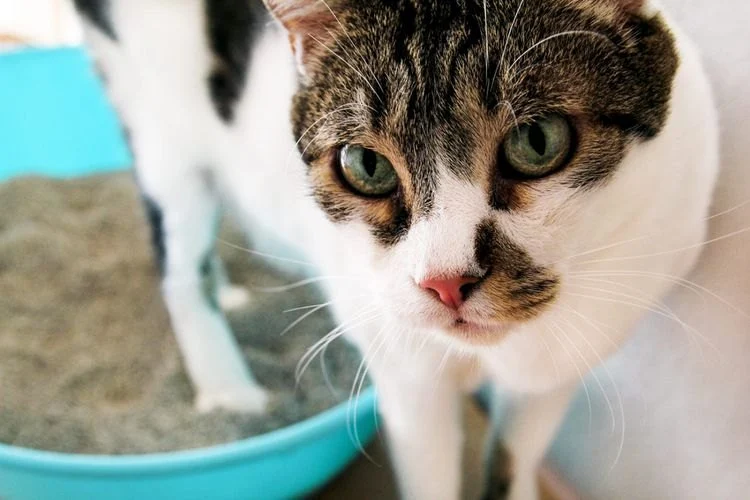
A clean and accessible litter box is essential for your cat’s urinary health. Cats may avoid using the litter box if it's dirty, which can lead to urinary retention and discomfort. Be sure to clean the litter box regularly and provide one box per cat, plus one extra, to ensure they have easy access whenever needed.
3-Dietary Tips for a Healthy Urinary Tract
Your cat’s diet plays a significant role in their urinary tract health. Providing a balanced diet rich in nutrients and low in inappropriate substances (like high magnesium or excessive calcium) can help prevent urinary issues. Here are some dietary tips to keep your cat’s urinary tract healthy:
1. Choose High-Quality, Balanced Food
Feeding your cat high-quality, nutritionally balanced food is the foundation of their overall health, including their urinary system. Look for food specifically designed to support urinary health. These diets are often formulated to maintain the pH balance in your cat's urine, which can help reduce the formation of crystals or stones.
2. Avoid High-Magnesium Diets
Magnesium is an essential nutrient, but excessive amounts in your cat’s diet can lead to urinary tract problems, particularly the formation of struvite crystals. Be sure to check the ingredient labels of your cat’s food to ensure it doesn’t contain too much magnesium. Most premium cat foods are designed to avoid this issue, but it’s worth double-checking.
4-The Role of Hydration and Lifestyle in Prevention
As mentioned, hydration is vital for your cat's urinary tract health. Besides providing water fountains and wet food, there are a few additional tips you can follow to enhance your cat’s hydration levels:
1. Feed Smaller, More Frequent Meals
Feeding your cat smaller, more frequent meals can help keep their urinary tract healthy. This approach supports digestion and promotes regular urination, which flushes out toxins and bacteria from the bladder. Aim to feed your cat multiple small meals throughout the day rather than one large meal.
2. Provide Natural Supplements
There are several natural supplements available that can help support your cat's urinary health. These may include cranberry extract, which is known for its ability to prevent urinary tract infections, or herbal supplements like uva ursi or dandelion root. Always consult your veterinarian before adding any new supplements to your cat's diet to ensure they’re safe and effective.
By adopting these natural strategies and paying close attention to your cat’s hydration, diet, and environment, you can significantly reduce the risk of urinary tract issues. At Brothers Pets, we offer a variety of products designed to support your cat’s health, from specialized foods to supplements and more.






 Andrews Square Pet Clinic4.0 (22 reviews)
 Jeremiah Pouncy0.0 (0 reviews)
 Chenango Animal Hospital: Gaylord Maureen DVM4.0 (8 reviews)
 Veterinary Care Center4.0 (479 reviews)
 Dr. Perkins4.0 (7 reviews)
 Studio City Animal Hospital4.0 (368 reviews)
 Benefits of Omega-3 Fatty Acids for Pets: Improve Health and Wellness
 How to Recognize and Treat Hyperthyroidism in Cats
 The Importance of Regular Grooming for Your Pet
 How to Safely Clean Your Pet’s Ears and Prevent Infections: A Step-by-Step Guide
 How to Train Your Pet to Be Comfortable with Veterinary Visits – A Step-by-Step Guide
 Top 9 Tips for Pet Training That Actually Work